
Taiwan In The 1990S Episodes
Explore the transformative decade of the 1990s, highlighting Taiwan's transition to democracy, significant political events, and societal changes that characterized this pivotal period in its history.
19
July 22, 2026
Chen Chu, Part 1: The Prisoner Who Would Lead Kaohsiung – S6-E19
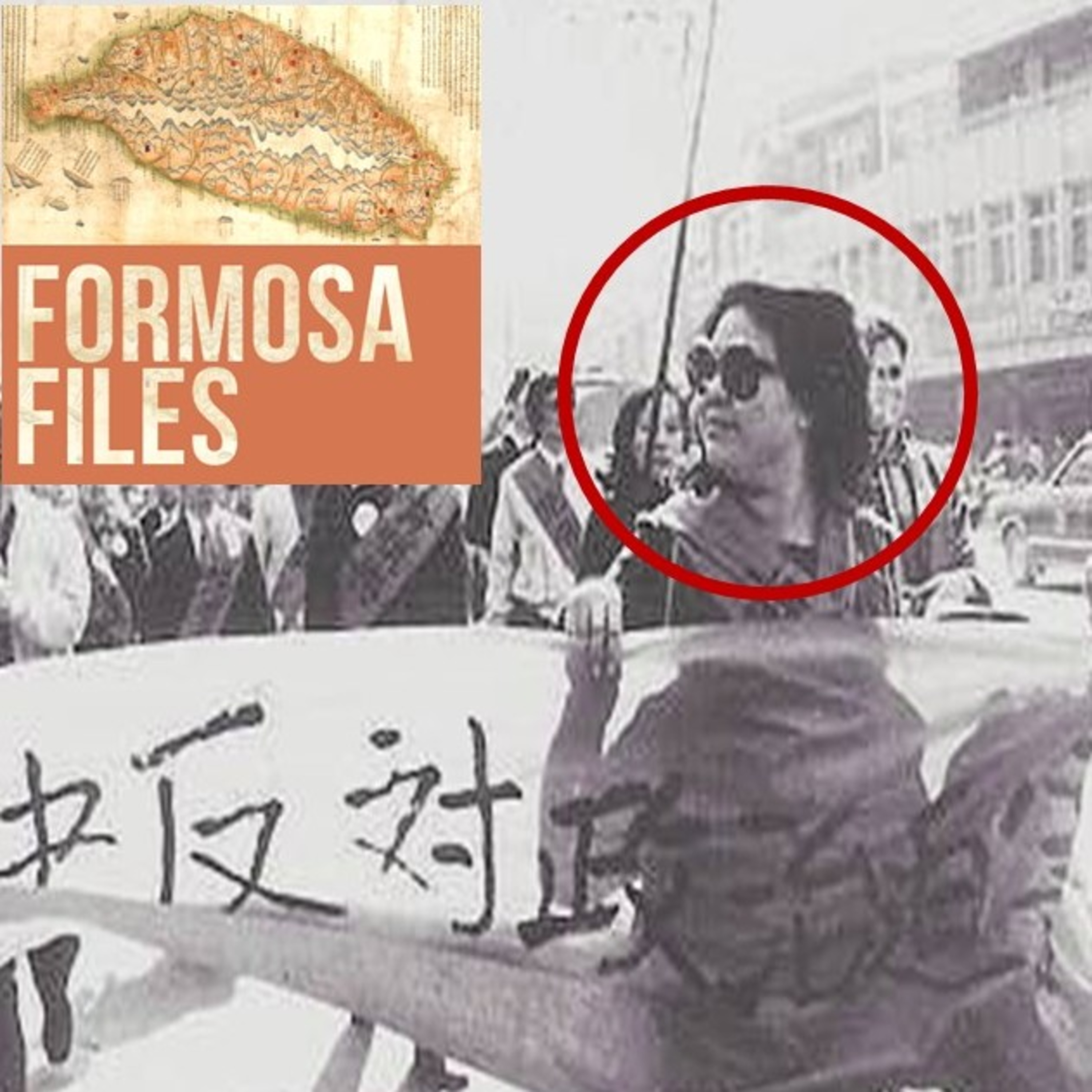
Long before becoming a three-time mayor of Kaohsiung, Chen Chu (陳菊) spent decades in Taiwan’s democracy movement. Born into a farming family in Yilan in 1950, Chen Chu moved to Taipei to attend university, and was soon drawn into the dangerous world of the dangwai opposition struggle against one-party KMT rule. After the Kaohsiung Incident of December 1979, Chen was sentenced to twelve years, and would spend more than six years behind bars – much of that time isolated with fellow prisoner and future vice president Annette Lu. Cover image shows Chen Chu marching in one of the first martial law-era political protests: The Jan. 1979 Ciaotao Incident
4
April 2, 2026
Taiwanese Tea in America, American Spies in Formosa – S6-E4
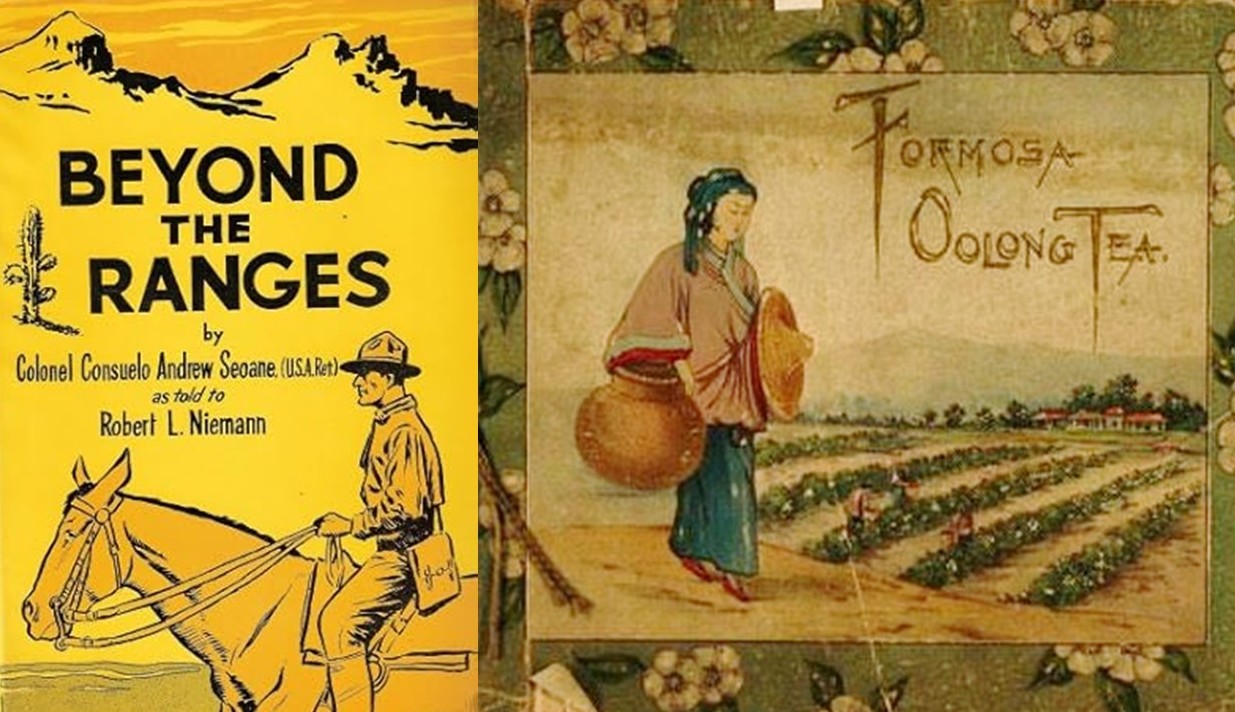
In 1904, colonial Taiwan tried to impress America with oolong tea at the St. Louis World’s Fair. Just five years later, two American spies disguised as South African zoologists were secretly roaming Japanese Formosa – but they weren’t investigating tea. They were on a U.S. Army mission to gather military intelligence. In this episode, John and Eryk explore tea, empire, espionage, and the strange relationship between Taiwan and the United States in the early 1900s.
3
March 26, 2026
The Extraordinary Life of Huang Chin-tao (Part 2) – S6-E3
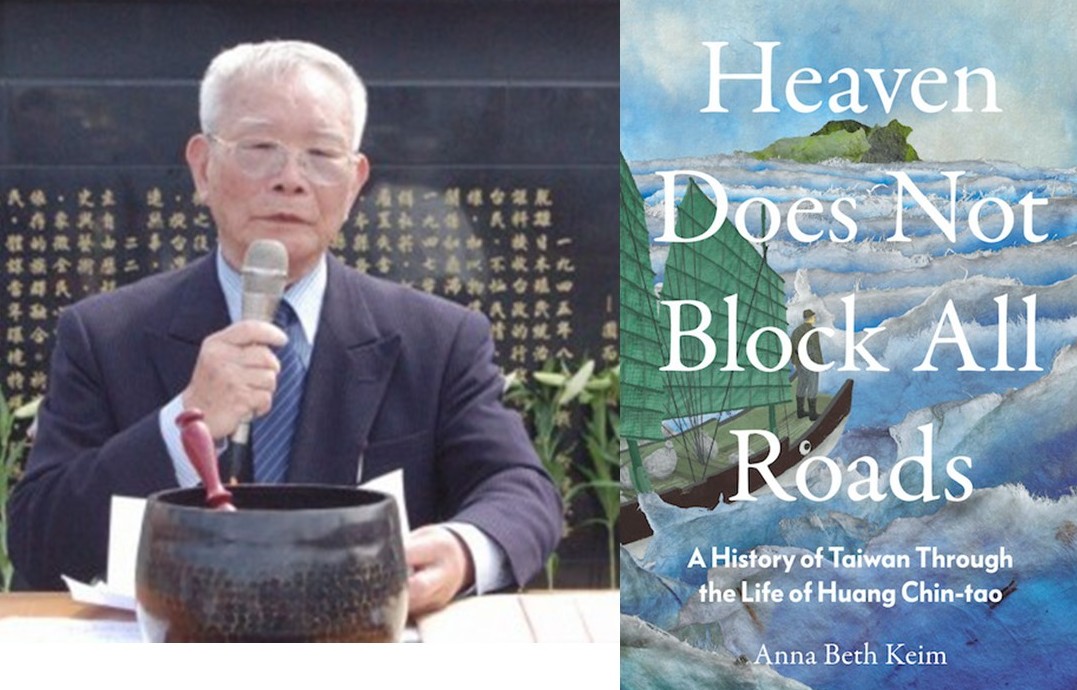
Huang Chin-tao (黃金島) was never a household name, but his life story is the story of modern Taiwan. In this concluding episode, we follow Huang from the 2.28 uprising in 1947 as he joins a resistance group led by a rare combination: a Taiwanese woman communist guerrilla commander, Xie Xuehong, whom we've dubbed Agent "Red Snow." After fighting bravely but losing the Battle of Wuniulan Bridge in Nantou, Huang becomes a fugitive and then spends more than two decades in Taiwan’s prisons. There is, however, finally some happiness: a few years after being released, he found love and became a political activist in what would become Taiwan's first real opposition party. For this tale of resistance, survival, and a regular man’s refusal to be broken by history, we drew on Anna Beth Keim’s excellent biography "Heaven Does Not Block All Roads."
2
March 18, 2026
Huang Chin-tao: a History of Taiwan Through One Man’s Life (Part 1) – S6-E2
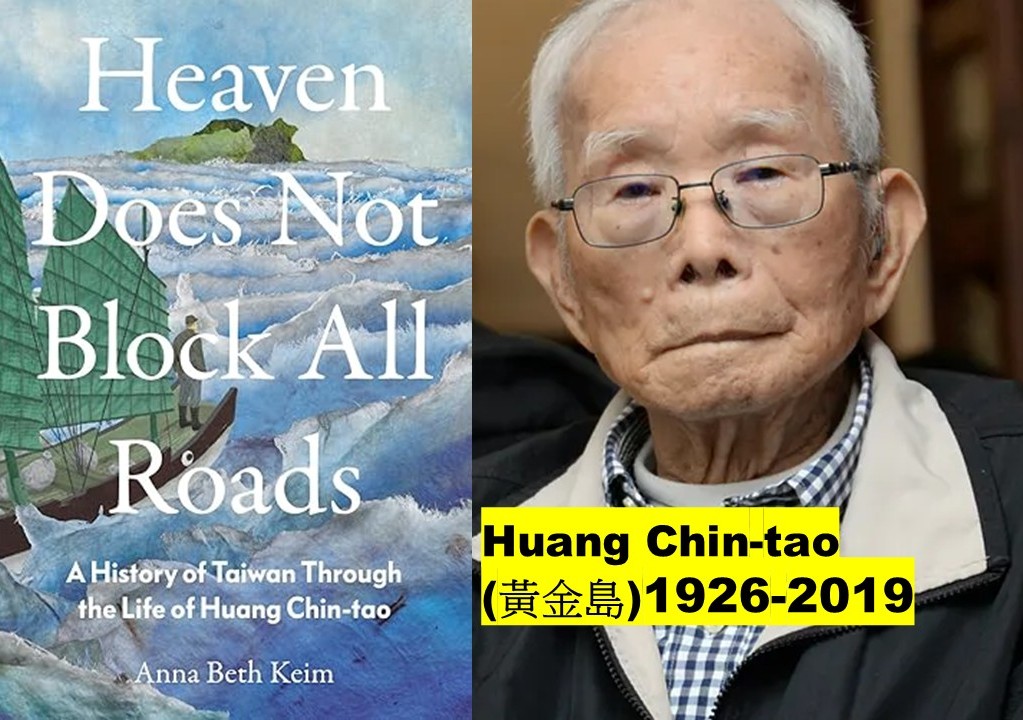
This is part one of the extraordinary life story of Huang Chin-tao (黃金島 Huáng Jīndǎo). In fact, he seemed to live not one life but many; he was a Japanese naval recruit, a combat soldier, a survivor of typhoons and pirates, an armed rebel during the 2-28 Incident of 1947, a man on the run, a prisoner, and a politician. His lifetime, 1926 to 2019, also gives us the background story of Taiwan’s turbulent 20th century. Although the turns and twists of history were often brutal for Huang, he was unbreakable, a man who refused to let fate decide his path. In the words of the title of Anna Beth Keim’s excellent biography: Heaven Does Not Block All Roads.
52
Feb. 27, 2026
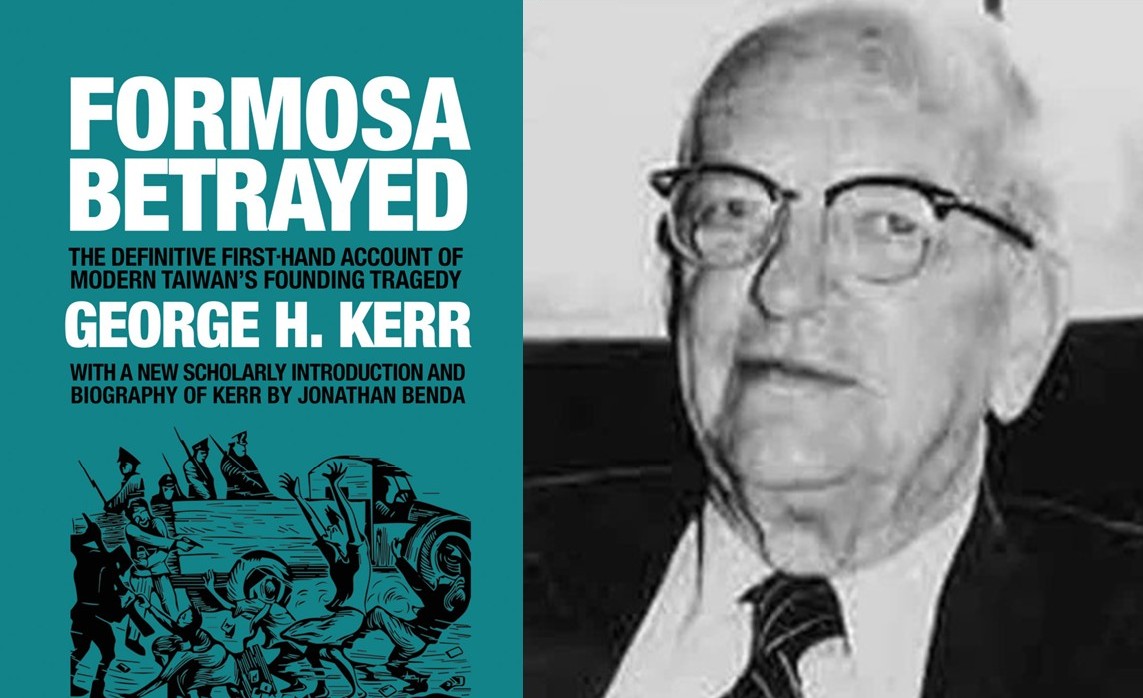
George Kerr and Formosa Betrayed (with Prof. Jonathan Benda) – S5-E52
American George H. Kerr was the most important Western eyewitness and chronicler of the February 28 Incident of 1947, the violent uprising and brutal crackdown that shaped Taiwan’s modern politics and identity. Kerr first lived in Taiwan in the late 1930s, when the island was a colony of Japan. During the war, he worked for the U.S. Navy as a Taiwan expert, and then from 1945 to 1947 served as the U.S. vice consul in Taipei. His account of Chinese Nationalist (KMT) misrule, Formosa Betrayed (1965), is arguably the most influential English-language book ever written about Taiwan. John chats with Kerr scholar Jonathan Benda about the book and the man behind it. Why did it take Kerr so long to publish his account? What does the “betrayed” in the title refer to? How did the book inspire Taiwanese democracy and independence activists? Drawing on new evidence, Benda explains it all and gives us a full picture of this complex man.
45
Jan. 21, 2026
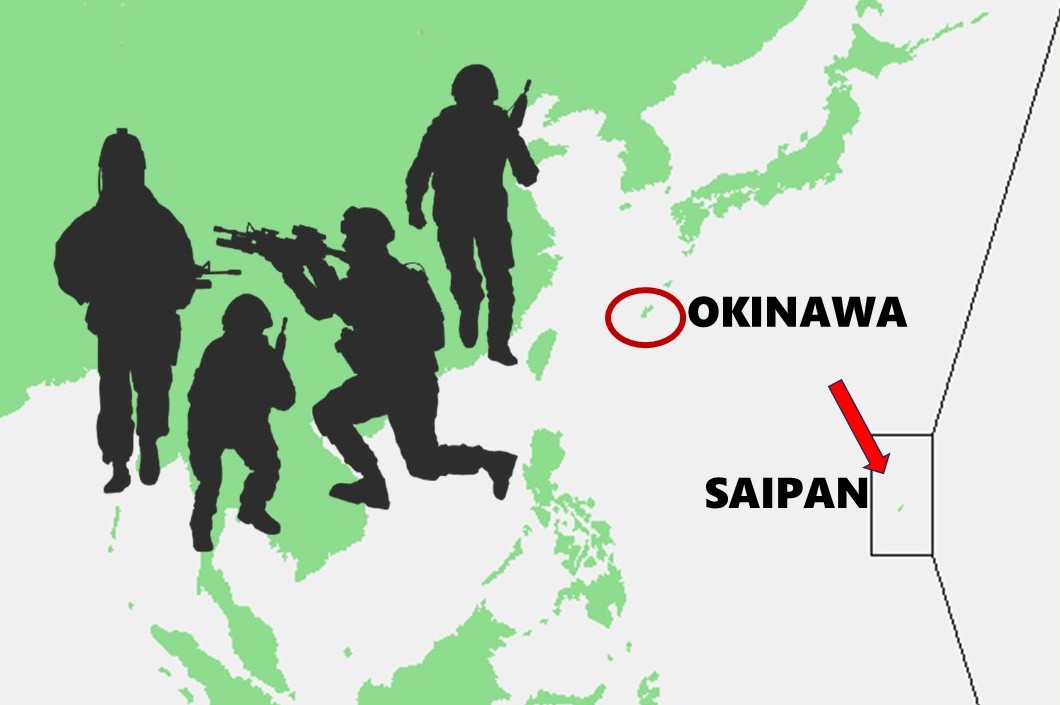
The CIA Plan to Remove CKS (Part 2): S5-E45
The Cold War is heating up as the CIA continues to build a “Third Force” – a democratic alternative to both Mao’s Communists and Chiang Kai-shek’s Nationalists. A secret army is being trained on the islands of Okinawa and Saipan. But when these Chinese special forces are dropped inside the PRC to gather information and organize anti-communist guerrillas, there is a grim reckoning. Most perished. Built on a house of cards of faulty intelligence, this ambitious covert project would quickly and quietly collapse. It is, however, a riveting story and one with valuable, evergreen lessons. Please take a second and rate or review, it really helps.
44
Jan. 14, 2026
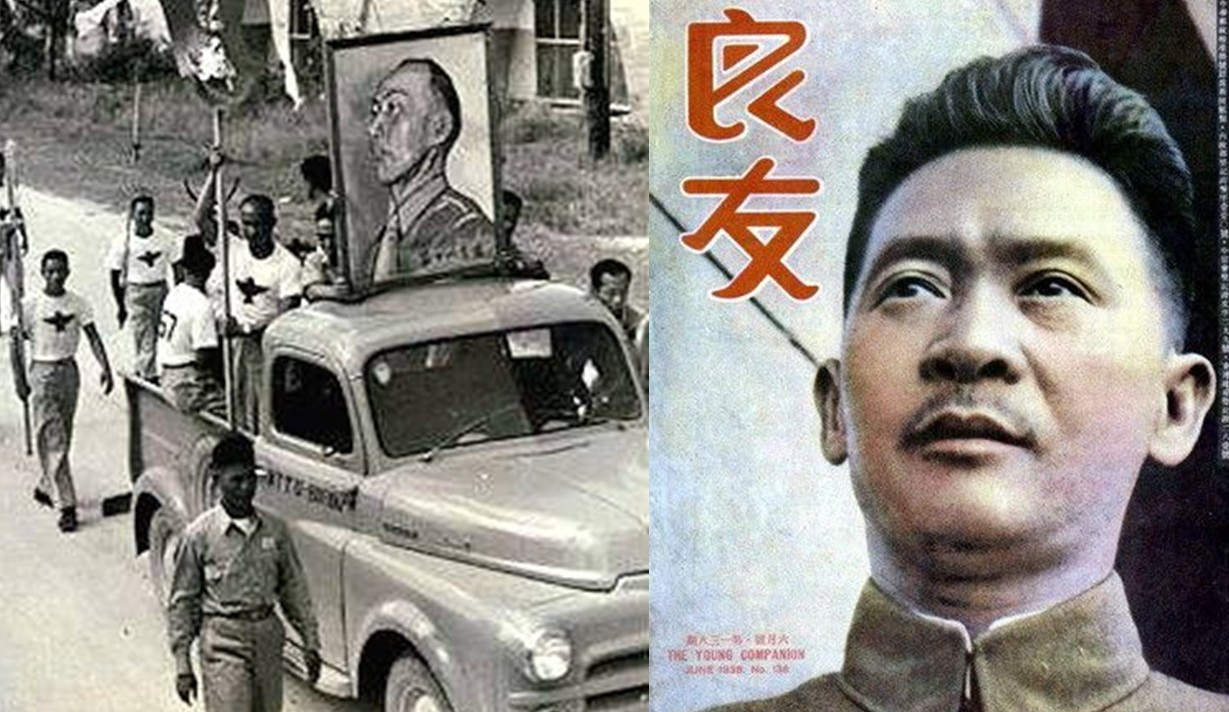
The CIA Plan to Remove President Chiang Kai-shek (Part 1): S5-E44
Standard histories tell us that after fleeing to Taiwan, Chiang Kai-shek became America’s staunch Cold War ally – an immovable figure with an iron grip on Fortress Formosa. But behind the scenes, parts of the U.S. government were quietly exploring ways to push him aside. Today we uncover a little-known CIA effort to build a “Third Force” – a democratic alternative to both Mao’s Communists and Chiang’s Nationalists. From whispered WWII assassination plots to secret Cold War schemes involving breakaway Chinese generals and hidden training camps, it’s such a riveting story that we’ll need two episodes to tell it properly. Please rate or review on Apple or Spotify, it helps others find the program.
32
Oct. 15, 2025
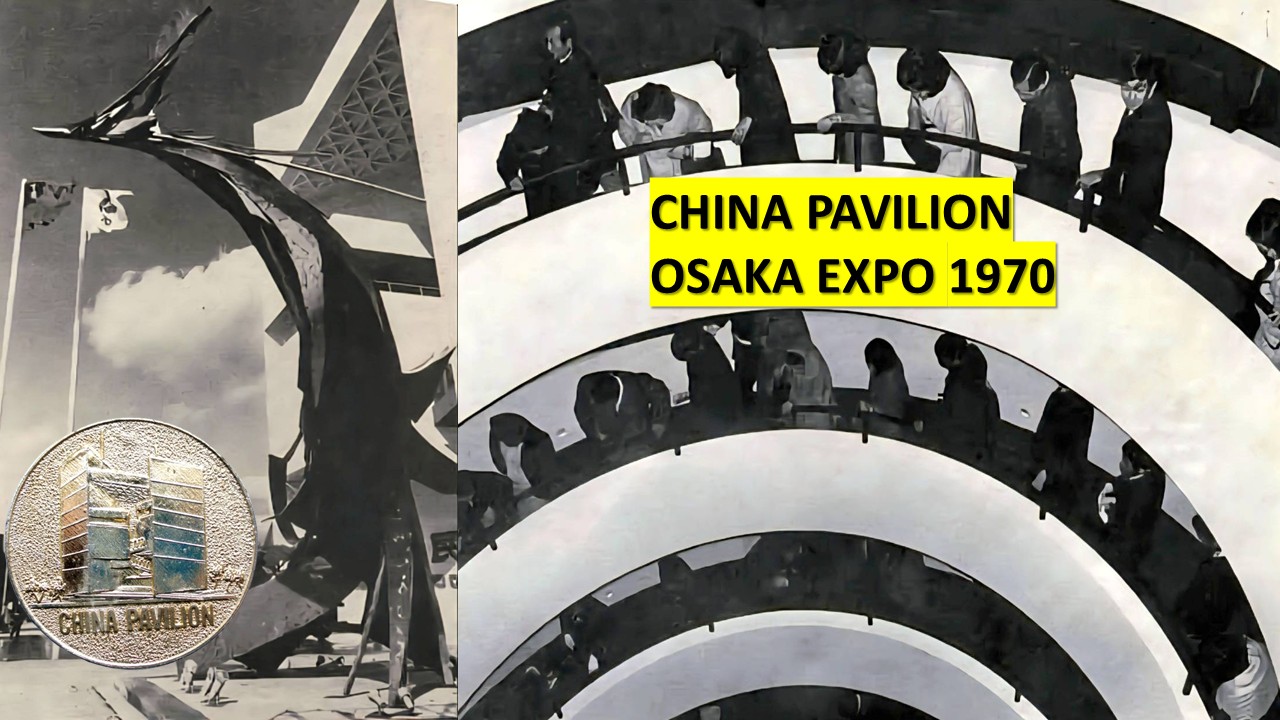
From Ashes to Innovation: Japan, Taiwan, and the Spirit of the Osaka Expo of 1970 – S5-E32
In 1968, just 23 years after the end of WWII, Japan became the world’s second-largest economy (and would remain so until 2011, when it was overtaken by China). In 1970, Japan highlighted its rise from the ashes by holding the Osaka Expo, a showcase of technology, culture, and confidence — from a monorail to moving walkways to videophones. It was the first World’s Fair held in Japan, and also in Asia. For the Republic of China (Taiwan), however, it would turn out to be something of a swan song on the international stage; in 1971, Taiwan lost its seat at the United Nations, and in the following years numerous countries switched diplomatic recognition to the PRC. But join Formosa Files as we visit Osaka in those happy days of 1970, when the future looked bright; astronauts had just landed on the Moon, Japan’s miracle was in full swing, and the world gathered to imagine tomorrow. Take a tour around the ROC’s futuristic pavilion, designed by I.M. Pei, which was a break from the classic Chi…
30
Oct. 2, 2025
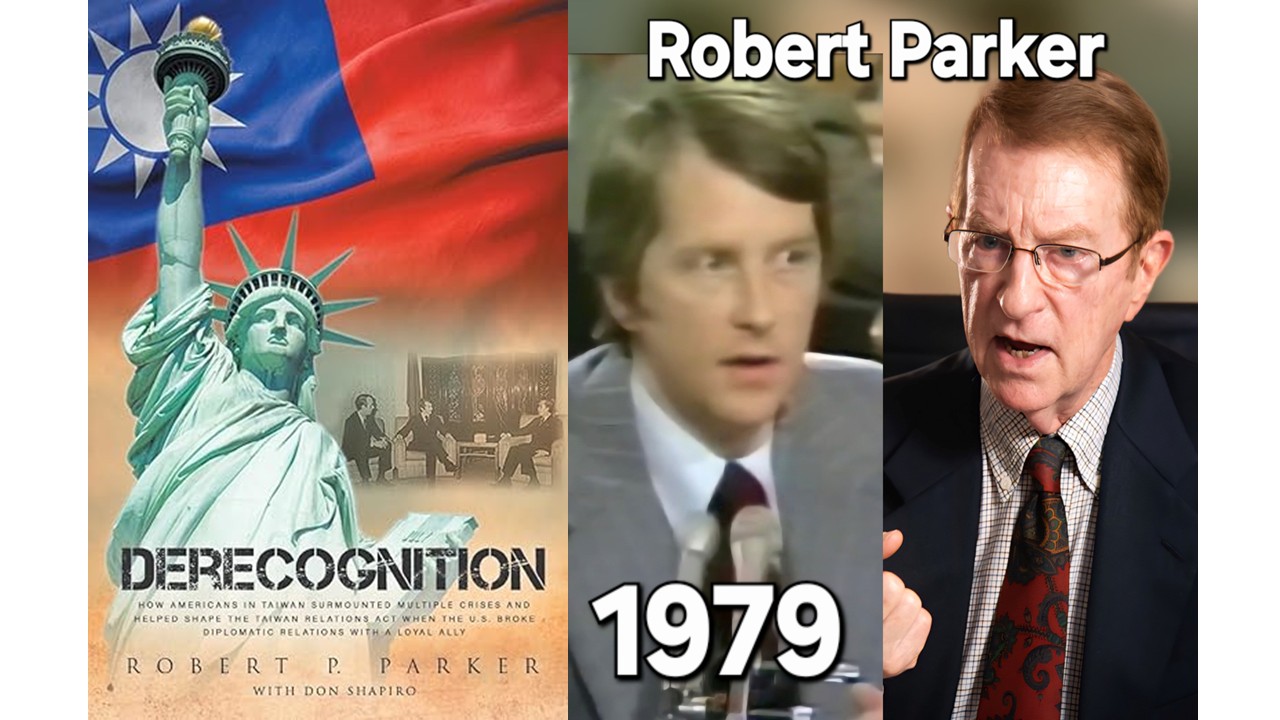
The U.S. Breaks Relations with a Loyal Ally for the First Time in History: Former AmCham Taipei President Robert Parker Tells the Story of “Derecognition” – S5-E30
Everyone knew it was coming, but when U.S. President Carter announced on Dec. 15, 1978 that Washington D.C. was switching diplomatic recognition from Taipei to Beijing in two weeks, both the Taiwanese people and the foreign community (then mostly Americans) were shocked. On that historic day of Jan. 1, 1979, Robert Parker began his term as the President of the American Chamber of Commerce. He soon found himself forced to act as a kind of de facto U.S. ambassador. Part of the bombshell announcement was the deadline for decoupling: everything and everyone officially connected to the United States would vanish by April 1979. For Parker, this resulted in near-surreal experiences that included helping cobble together a civilian radio station in 90 days (ICRT FM100.7), walking a political tightrope to determine the legality of the Taipei American School, and testifying before the U.S. Congress as American officials reacted to Carter’s recognition of the PRC by passing the Taiwan Relat…
25
Aug. 21, 2025
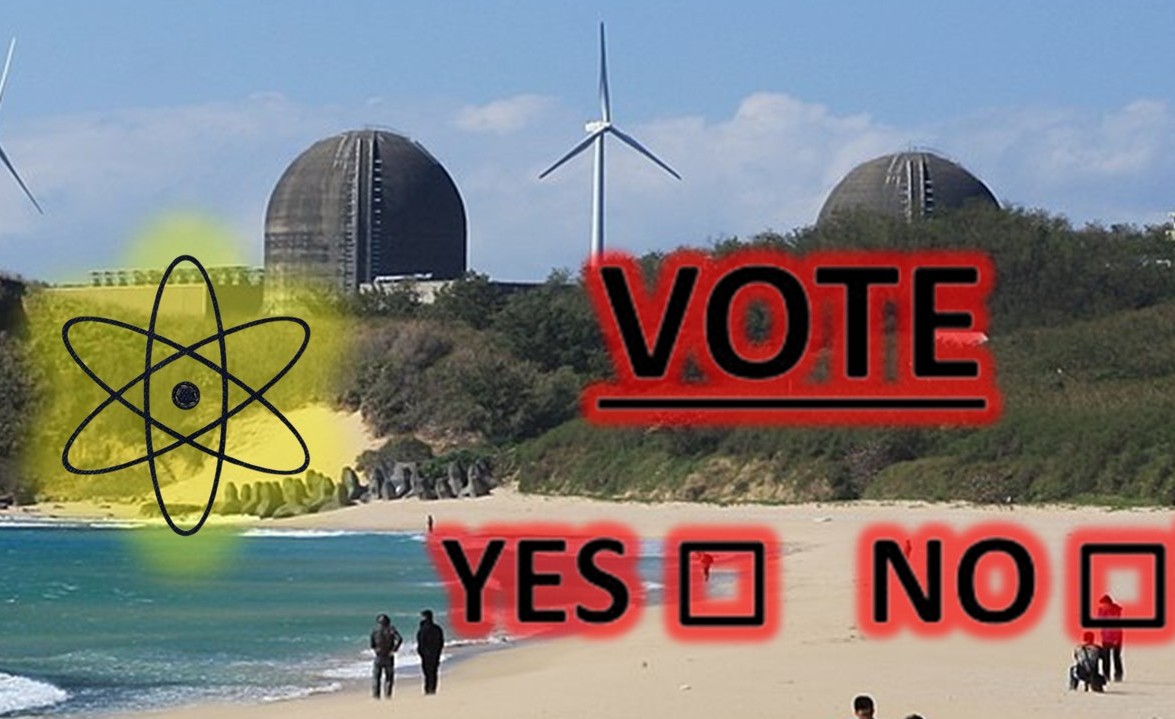
Nuclear Power in Taiwan: The Story Behind Saturday’s Radioactive Referendum – S5-E25
From Chiang Kai-shek’s nuclear ambitions to the fallout from Chernobyl and Fukushima, Taiwan’s nuclear story has always been controversial. The ROC once came within months of being nuclear-bomb ready, but today, fission is gone from even civilian atomic power generation. This Saturday, Aug. 23, 2025, voters face a radioactive referendum. The core question? Whether to restart the recently decommissioned Ma’anshan Nuclear Power Plant 馬鞍山核能發電廠 in Kenting, Pingtung County. After years of splitting atoms over this hot topic, a critical mass is forming in a debate that may reveal just how divided the island remains on atomic energy. Join us as we explore the chain-reaction politics of Taiwan’s nuclear dilemma and the referendum which may trigger a U-turn on uranium. Please follow us on social media, and leave a review or comment. Thanks, it really helps.
24
Aug. 14, 2025
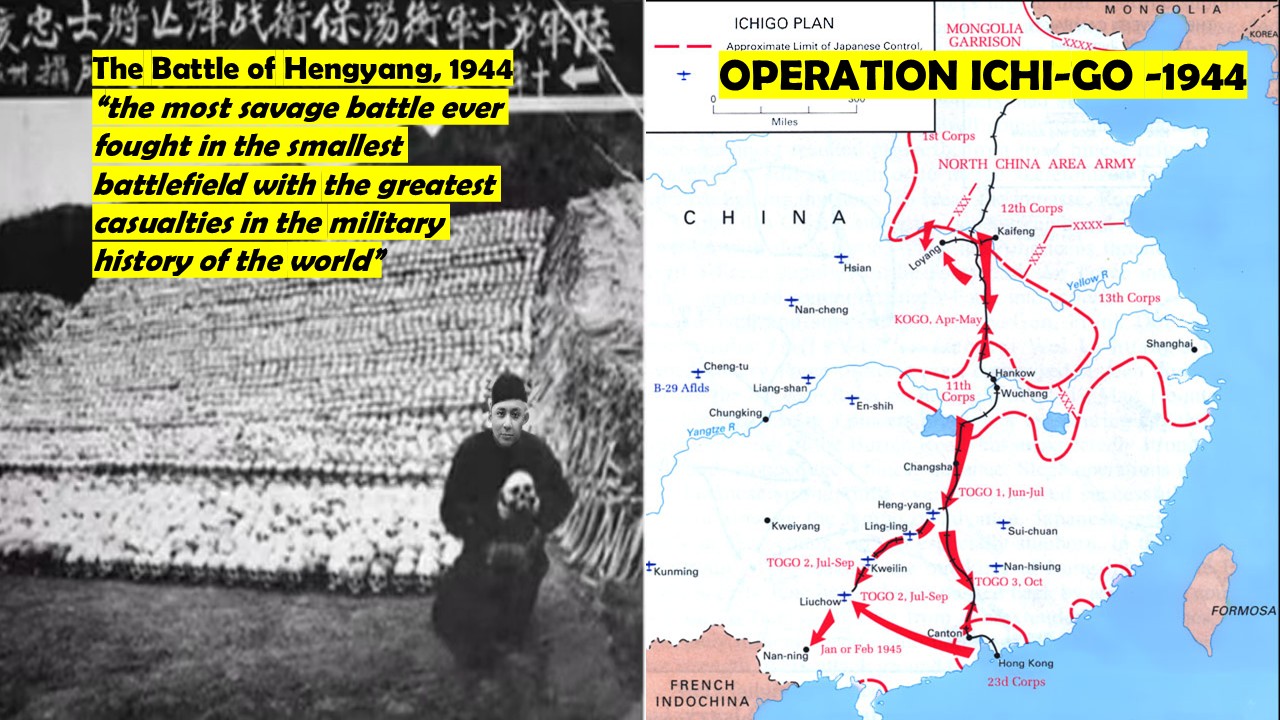
Operation Ichi-Go: Japan’s Mostly Forgotten Last Big, Born-in-Taiwan War Offensive – S5-E24
This episode was released on August 15th, 2025, exactly 80 years after the Empire of Japan unconditionally surrendered to the Allies following the atomic bombings of Hiroshima and Nagasaki. Today, we bring you a largely forgotten story. In 1944, Japan launched its biggest land campaign of the war. It was called “Operation Ichi-Go (Operation #1)” – a massive push through China with half a million troops. It shattered Chiang Kai-shek’s armies, changed Allied strategy, and helped set the stage for the ROC’s retreat to Taiwan. But the spark for this offensive began not on a battlefield in China, but in what’s today Hsinchu, Taiwan. This “big picture” episode has surprise U.S. bombing raids, brutal battles, Roosevelt’s strategy meetings in Hawaii, the collapse of China’s wartime economy, and lots more twists and turns that would lead to Mao Zedong proclaiming the People’s Republic of China in 1949 – and the Republic of China retreating to Taiwan.
23
Aug. 7, 2025
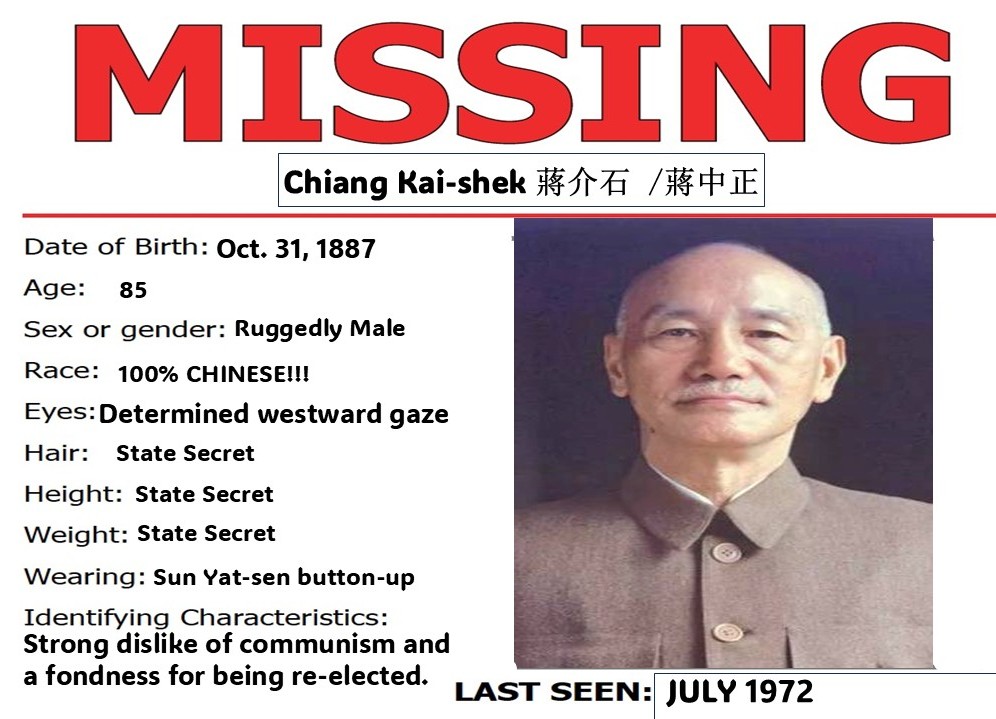
Chiang Kai-shek’s Secret Coma, and the Cigar-Smoking, Cross-Dressing, Confucian Descendant Ms. Kung — S5-E23
In the summer of 1972, Chiang Kai-shek vanished. He missed Double Ten parades. However, Madame Chiang (Soong Mei-ling), and the step-son she loathed (future president Chiang Ching-kuo) carried on as if all was well. There were no press leaks as the president of the Republic of China lay in a coma for six months. In this episode of Formosa Files, we uncover the cover-up, and tell you about an odd dinner where medical staff waited to pounce and revive the aging dictator. Plus, we meet Jeanette Kung: a cigar-smoking, men’s clothing enthusiast who might today be a gay icon of some kind, except for the fact that she possessed an…um…“challenging personality.” SUPPORT the show by rating, commenting, liking, subscribing, and following on social media.
22
July 31, 2025
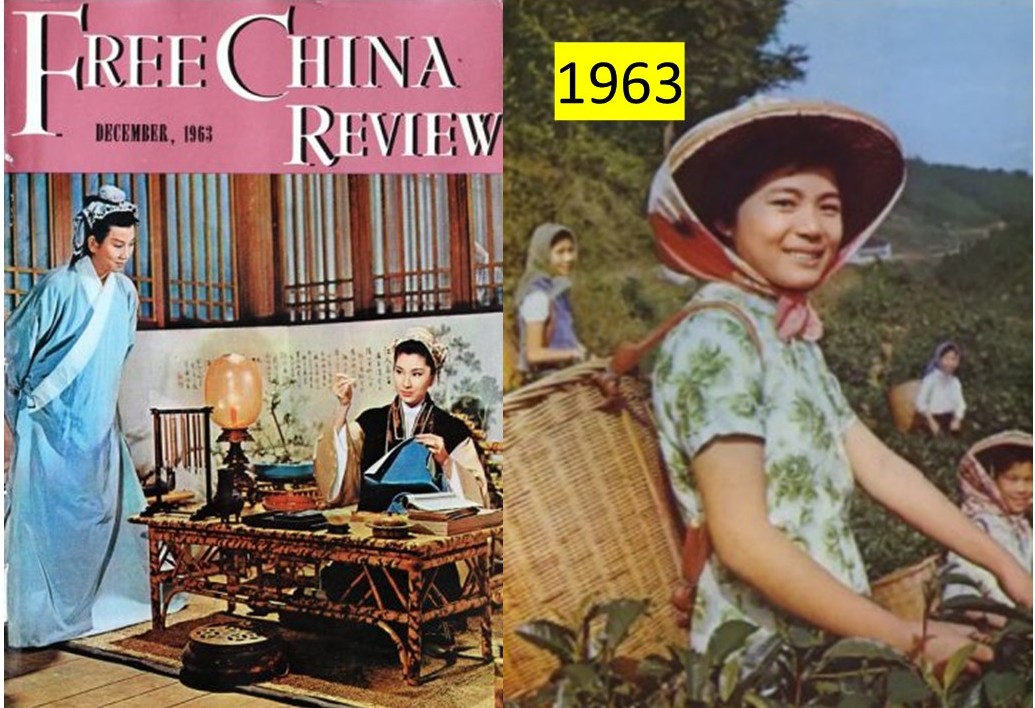
“Lip-Sticked” Taxi Drivers and the Founder of the China Post: A Look at Taiwan’s Women in 1963 — S5-E22
Supreme Court judges, bus conductors, chemists, even radio stars — in this episode, we look at how women were making their mark in 1960s Taiwan. Our source is a 1963 issue of the Free China Review, published in the peak “Free China” years, when most of the so‑called “Taiwanese” women featured were actually from China. Still, even in this repressive period, you could argue women here had more chances to lead, earn, and succeed than many of their peers in the West. DO US A FAVOR and leave a review or comment (on Apple, Spotify, YT, or our website). It really helps. Thanks.
20
July 17, 2025
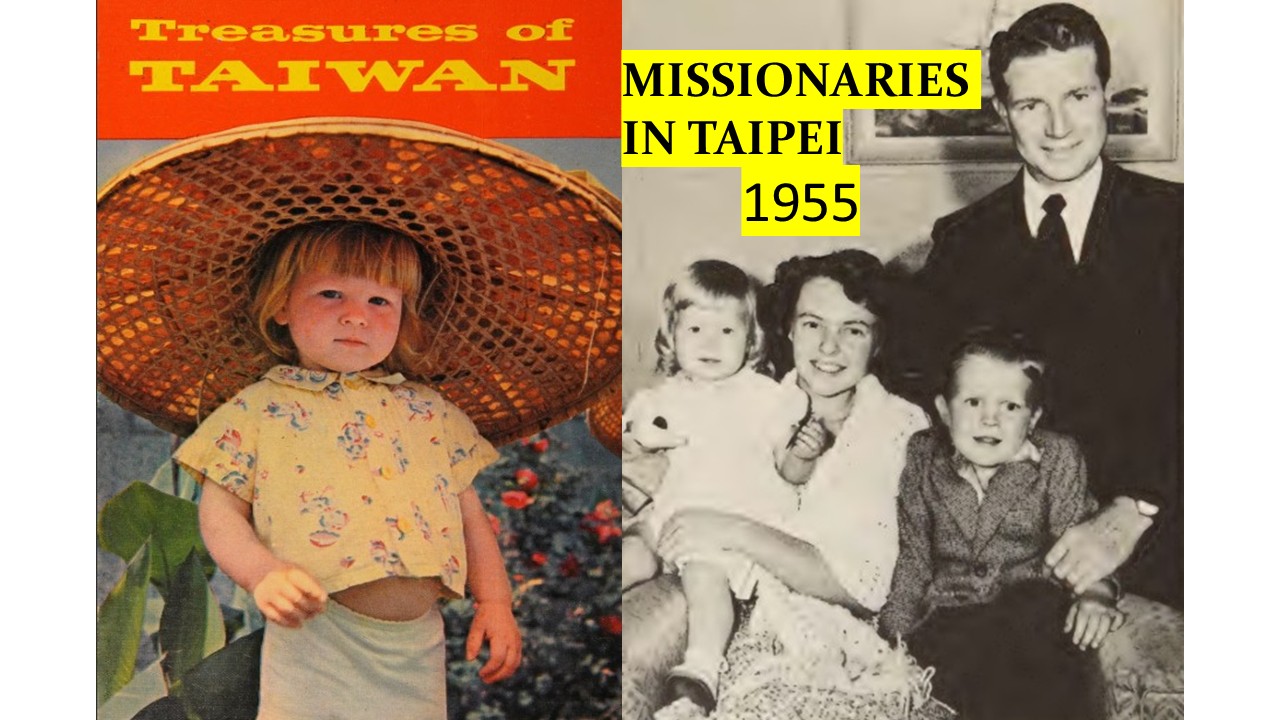
Honey Buckets and Whole-Wheat Faith in Free China – S5-E20
In this episode, a young American missionary family boards a cargo ship for Taiwan in 1955. What could go wrong? Four weeks, a typhoon, and a customs nightmare later, they arrive in a land where whole-wheat flour is exotic, and blonde kids conjure crowds. Taipei in the 1950s was “fragrant,” with open sewers and “honey buckets” filled with human waste used as fertilizer. This week on Formosa Files, we bring you a missionary tale of faith, grit…and refrigerator duties. Leave a comment, follow us on social media and/or give us a rating or review – it's much appreciated and helps others discover this podcast.

June 20, 2025
Taiwan vs. South Korea - A Conversation with Author Chris Tharp
Fellow “Asian tigers” South Korea and Taiwan share strikingly similar modern histories: Chinese influence, Japanese colonization, Cold War struggles, rule by military strongmen, economic miracles, and transitions to democracy. But there are also plenty of differences, too, especially when it comes to the fate of ex-presidents! Chris Tharp, author of the newly-released Plum Rain Press novel, “The Cuttlefish,” has spent over 20 years in Korea. He and John have a fun and wide-ranging discussion about these two dynamic nations.

16
June 12, 2025
Calculating Fate: Taiwan’s Fortune-Telling Fever of the ’90s – S5-E16
Some people bought Tamagotchis in the '90s. Others? They paid birds to predict their future. In this week’s episode, we take a glimpse into Taiwan’s wild obsession with fortune-telling — and what it reveals about culture, comfort, and even politics. From oracle bones to rose stones, the history of Taiwanese divination has been an unpredictable ride.

15
May 28, 2025
Bad Manners & Book Crimes: How an American Op-Ed Sparked Taiwan’s Self-Awareness Movement – S5-E15
In 1963, a 32-year-old American grad student in Taipei wrote a newspaper editorial complaining that Taiwanese people were great at treating friends kindly, but kind of awful in public. Within days, he had unintentionally launched a nationwide student movement for civility, morality, and self-awareness. But this student-led push for better manners would also lead to arrests, prison time, and even psychiatric detention. In this episode, we tell the strange true story of the “Self-Awareness Movement,” how it exploded from one opinion piece, and explain how it contributed (or didn’t) to Taiwan’s public behavior transformation. Listen as we go from the sharp-elbowed chaos at bank counters and bus stops of the 1960s to today’s orderly lines and the quiet pride of the MRT.

13
May 15, 2025
S5-E13 - 1962: Taiwan’s Bloody Year You’ve Never Heard Of
This week, Formosa Files digs into two wild and almost totally forgotten killings from Taiwan’s Cold War years. First up: a soldier named Li Wei, a former POW, sets his army barracks on fire in the middle of the night and opens fire on his fellow soldiers. The whole thing gets swept under the rug. No local news coverage. It’s been basically erased from memory. Then there’s Taiwan’s deadliest school shooting: the Lixing High School Massacre. A fired sports coach shows up at school with a pistol and a grudge. He kills the principal, teachers, and even goes after the principal’s family. This one made the headlines at the time, but somehow, almost nobody talks about it today. Both happened in 1962, when Taiwan was still under martial law and the government kept a very tight lid on the media. With help from researcher and Formosa Files Chinese version co-host Eric Hsu, we dug through old court records and tracked down as much truth as we could find.

11
May 1, 2025
S5-E11 - “China’s Titanic” (1949) & The Cruise That Ended in Cremation (1994)
Often called “China’s Titanic,” the 1949 sinking of the Taiping claimed over 1,000 lives as desperate refugees fled Shanghai for Taiwan. Forty-five years later, another tragedy struck: 24 Taiwanese tourists were brutally murdered during a pleasure cruise on China’s Qiandao Lake. The deaths and the clumsy, heartless Chinese cover-up caused outrage in Taiwan. In this episode, Formosa Files is revisiting two haunting shipping disasters that reveal the human cost of war, exile, and political mistrust across the Taiwan Strait.

10
April 23, 2025
S5-E10 – Taiwan in the “Teens” (1911-1919)
This early part of the twentieth century was filled with revolutions and wars (including the First World War). Formosa, however, was a relatively stable Japanese colony. But not entirely stable. We’ll tell you about Chinese revolutionary Luó Fúxīng (羅福星), who was executed in Taiwan for trying to rid this island of the Japanese. And we’ve got some good info on the often-overlooked Tapani Incident – the largest Han Chinese (with Indigenous allies) revolt against Japan… and it happened two decades into Japanese rule!

9
April 17, 2025
S5-E9 – Magistrate Mass Murder and Gangsters in Government
After the “execution-style” murder of Taoyuan Magistrate Liu Pang-yu and half a dozen others at Liu’s official residence in November 1996 by assassins deemed connected to the underworld, Taiwan’s authorities began getting serious about trying to rid its ranks of those with ties to organized crime – but it’s no easy task. A report from that same year found that at least a third of elected officials were part of a system termed “Black Gold,” or put simply: gangsters in government.

April 16, 2025
FORMOSA FILES IN CHINESE! CH53-更寮腳營區殺人事件—臺灣1962年兩大連續殺人案(1)
過去的臺灣,似乎並不是一個非常平靜的地方。在1960年代,對外有持續發生小規模衝突的共產中國,對內則有軍隊紀律、匪諜滲透、省籍情節等問題。雖然實施了戒嚴,但社會的治安依然不甚穩定。而在1962年,民國51年,就發生了兩件駭人聽聞的連續殺人案。這集的 Formosa Files 中文版 Podcast,就讓兩位主持人來跟大家聊聊當年其中一件發生在軍營,罕為人知的殺人事件。 主持人簡介: Eryk Michael Smith-ICRT南臺灣特派員,長期從事記者採編工作、聲音編輯,也會客串DJ。現居高雄,在臺灣已經居住了接近30年,認為臺灣是自己的家。 Eric Hsu(徐葆權)-彰化北斗人,從大學南漂高雄以來,人生的大部分時間都在高雄渡過。關心臺灣文史與地方文化發展,尤其是自己的兩個家鄉:北斗與高雄。

8
April 10, 2025
S5-E8 - Taiwan’s Stock Market Bubble – And the Crash of 1990
Shortly after the Lunar New Year of 1990, the Taiwan Stock Exchange (the Taiex) hit a peak of almost 12,500. Eight months later it had fallen to a low of about 2,500 – an 80% collapse, and one of the worst stock market crashes of all time! In this week’s Taiwan history Formosa Files episode, we’re looking at the “Great Stock Market Bubble” of the late 1980s, when too many people had a lot more money than sense. Taiwan’s financial sector in the late 1980s was so crazy that the Republic of China (Taiwan) got a nickname: “the Republic of Casino”.

5
March 12, 2025
S5-E5 - South Africa and Taiwan (And the Sad Story of SAA Flight 295)
November 28, 1987: South African Airways Flight 295 departs from Taipei bound for Johannesburg. Somewhere near Mauritius, a mysterious fire breaks out. The crew fights hard to extinguish it, but sadly, the plane and all 159 people on board are doomed to a watery grave in the Indian Ocean. The crash of SAA Flight 295 raises questions: What was in the cargo hold? Did the fire have anything to do with banned items or weapons? Plus, we'll tell you why the ROC (Taiwan) and white-ruled South Africa were once very good friends – to the point that Taiwanese were deemed “honorary whites.”