
Taiwan As A Japanese Colony Episodes
Via Wikipedia:
The island of Taiwan, together with the Penghu Islands, became a dependency of Japan in 1895, when the Qing dynasty ceded Fujian-Taiwan Province in the Treaty of Shimonoseki after the Japanese victory in the First Sino-Japanese War. The consequent Republic of Formosa resistance movement on Taiwan was defeated by Japan with the capitulation of Tainan. Japan ruled Taiwan for 50 years. Its capital was located in Taihoku (Taipei) led by the Governor-General of Taiwan.
Taiwan was Japan's first colony and can be viewed as the first step in implementing their "Southern Expansion Doctrine" of the late 19th century. Japanese intentions were to turn Taiwan into a showpiece "model colony" with much effort made to improve the island's economy, public works, industry, cultural Japanization, and support the necessities of Japanese military aggression in the Asia-Pacific. Japan established monopolies and by 1945, had taken over all the sales of opium, salt, camphor, tobacco, alcohol, matches, weights and measures, and petroleum in the island.
Japanese administrative rule of Taiwan ended following the surrender of Japan in September 1945 during the World War II period, and the territory was placed under the control of the Republic of China (ROC) with the issuing of General Order No. 1 by US General Douglas MacArthur. Japan formally renounced its sovereignty over Taiwan in the Treaty of San Francisco effective April 28, 1952. The experience of Japanese rule continues to cause divergent views among several issues in Post-WWII Taiwan, such as the February 28 massacre of 1947, Taiwan Retrocession Day, Taiwanese comfort women, national identity, ethnic identity, and the formal Taiwan independence movement.
The island of Taiwan, together with the Penghu Islands, became a dependency of Japan in 1895, when the Qing dynasty ceded Fujian-Taiwan Province in the Treaty of Shimonoseki after the Japanese victory in the First Sino-Japanese War. The consequent Republic of Formosa resistance movement on Taiwan was defeated by Japan with the capitulation of Tainan. Japan ruled Taiwan for 50 years. Its capital was located in Taihoku (Taipei) led by the Governor-General of Taiwan.
Taiwan was Japan's first colony and can be viewed as the first step in implementing their "Southern Expansion Doctrine" of the late 19th century. Japanese intentions were to turn Taiwan into a showpiece "model colony" with much effort made to improve the island's economy, public works, industry, cultural Japanization, and support the necessities of Japanese military aggression in the Asia-Pacific. Japan established monopolies and by 1945, had taken over all the sales of opium, salt, camphor, tobacco, alcohol, matches, weights and measures, and petroleum in the island.
Japanese administrative rule of Taiwan ended following the surrender of Japan in September 1945 during the World War II period, and the territory was placed under the control of the Republic of China (ROC) with the issuing of General Order No. 1 by US General Douglas MacArthur. Japan formally renounced its sovereignty over Taiwan in the Treaty of San Francisco effective April 28, 1952. The experience of Japanese rule continues to cause divergent views among several issues in Post-WWII Taiwan, such as the February 28 massacre of 1947, Taiwan Retrocession Day, Taiwanese comfort women, national identity, ethnic identity, and the formal Taiwan independence movement.
30
Oct. 7, 2026
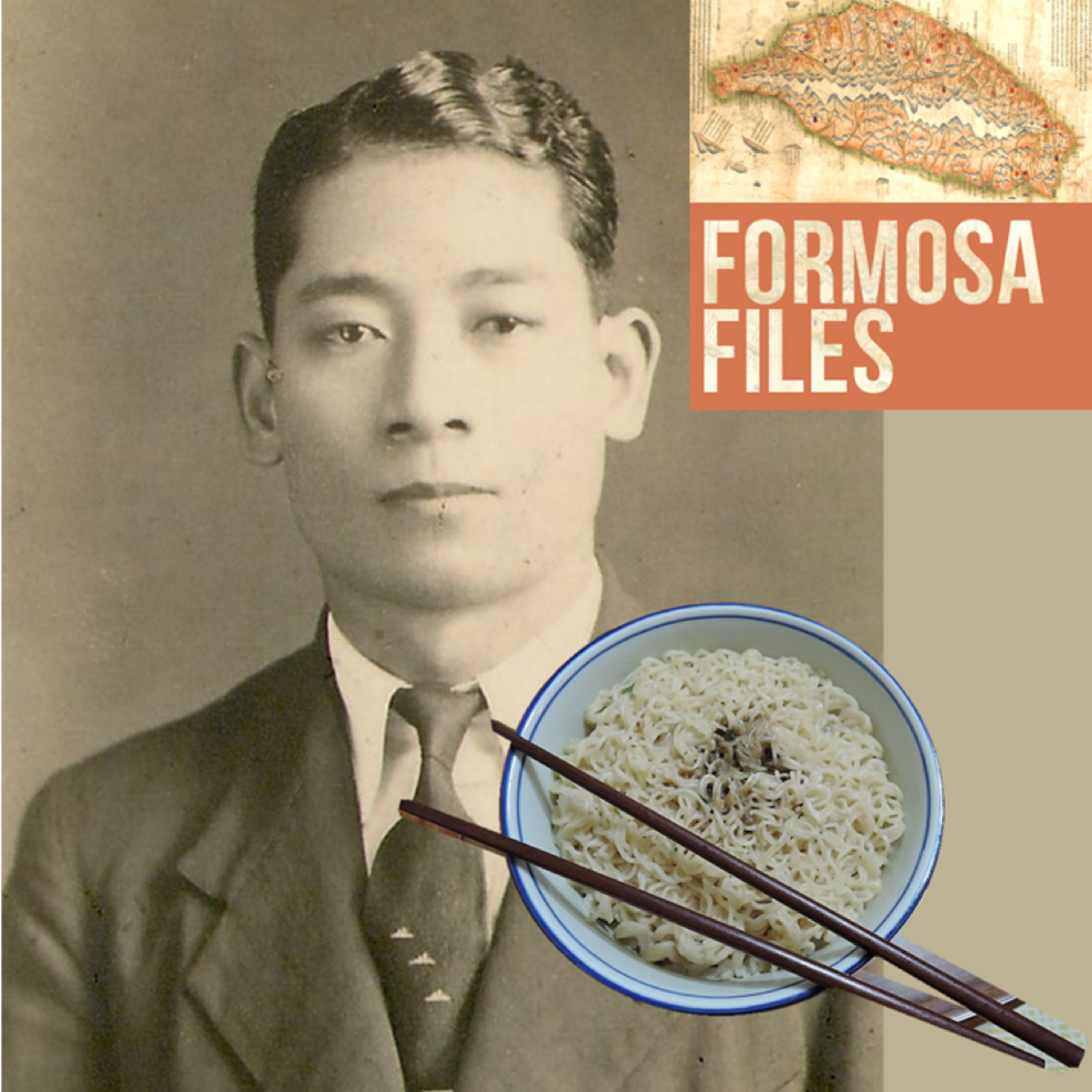
Andō Momofuku: Was the Inventor of Instant Noodles Taiwanese? – S6-E30
Andō Momofuku is a household name in Japan, celebrated as the inventor of instant noodles. But his story actually begins in Puzi, a small town in southern Taiwan, where he was born Wu Baifu in 1910. John is joined by Tom Gibb, a Japan-based translator and author of the cycling travelogue Charinko. Together they unravel the complicated history of the man and his noodles. Going behind the familiar mythology, they explore his Taiwanese childhood, early business career, wartime troubles, an interest...
18
July 15, 2026
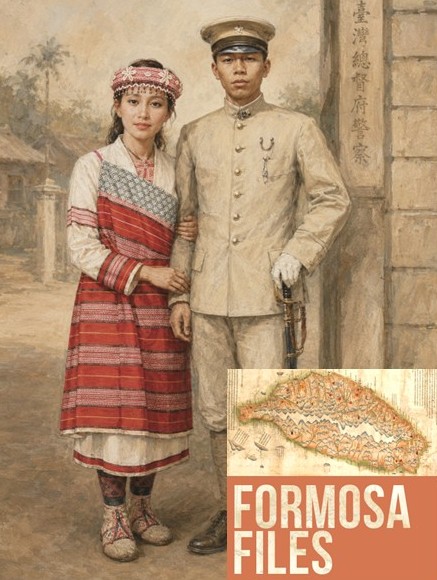
The Princess and the Policeman – S6-E18
In 1911, Baike Daole, the daughter of a powerful Atayal chief in the mountains of central Taiwan, was pressured to marry the Japanese policeman Shimoyama Jihei. Their “strategic marriage” was intended to help Japan control Indigenous communities, but it produced a family caught between cultures and governments. We follow their story – and the extraordinary life of their son, Shimoyama Hajime – from Japan’s violent campaign to control Taiwan’s Indigenous peoples and the bloody 1930 Wushe Incident to the 228 uprising of 1947, when Hajime was arrested and tortured, and the uncertain first years of Chinese Nationalist rule.
17
July 2, 2026
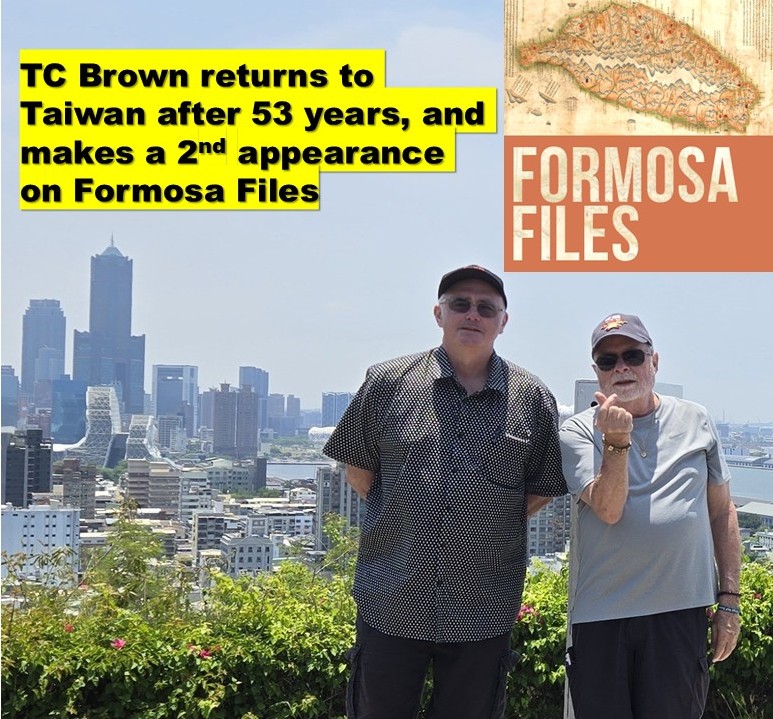
Sky Cop TC Brown Returns – S6-E16
TC Brown returns to Formosa Files – and to Taiwan – after 53 years away. A former U.S. Air Force security policeman stationed at CCK Air Base in Taichung for most of 1968-73, TC reflects on his recent trip back to the island, the Taiwan he remembers from the Vietnam War era, and the Taiwan he found today. John talks with TC about his memoir Made in Taiwan and town patrol in Taichung’s “Dirty Dozen” bar district. We also visit Hualien through Wang Chen-ho’s bawdy novel Rose, Rose, I Love You, one of the few works of fiction to touch on Taiwan’s role in Vietnam War R&R.
7
June 20, 2026
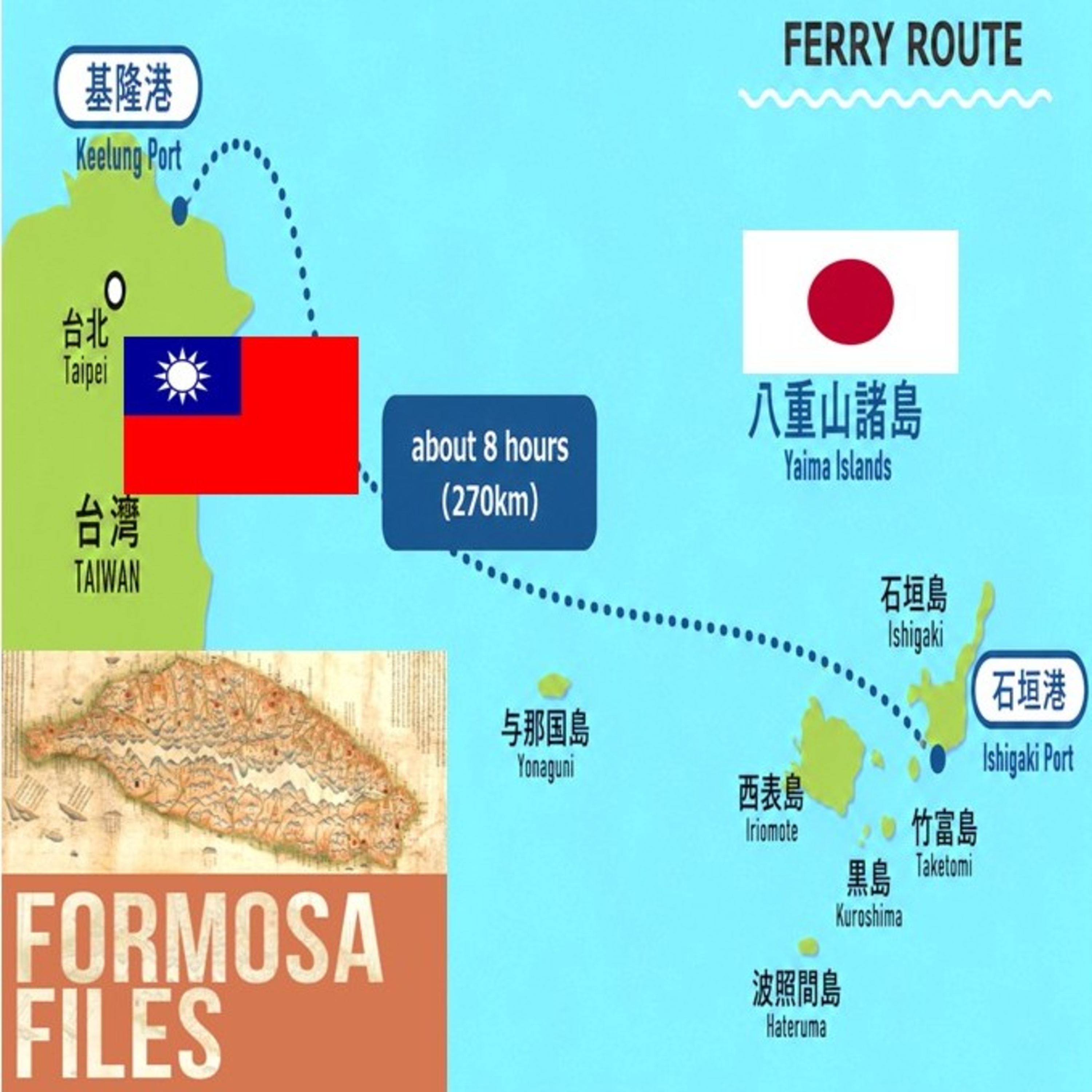
Keelung to Ishigaki Ferry: Taiwan’s Forgotten Yaeyama Stories – Snack 07
To celebrate the new Yaima Maru ferry service connecting Keelung with the Yaeyama Islands, Taiwan’s nearest neighbors, we uncover stories of Taiwanese migrants there in the Japanese colonial era. On jungle-clad Iriomote Island, some suffered brutal conditions in the coal mines. On nearby Ishigaki, Taiwanese settlers helped transform the island’s agriculture. They developed its pineapple industry and also introduced water buffalo, whose descendants can be seen today pulling tourist carts.
14
June 10, 2026
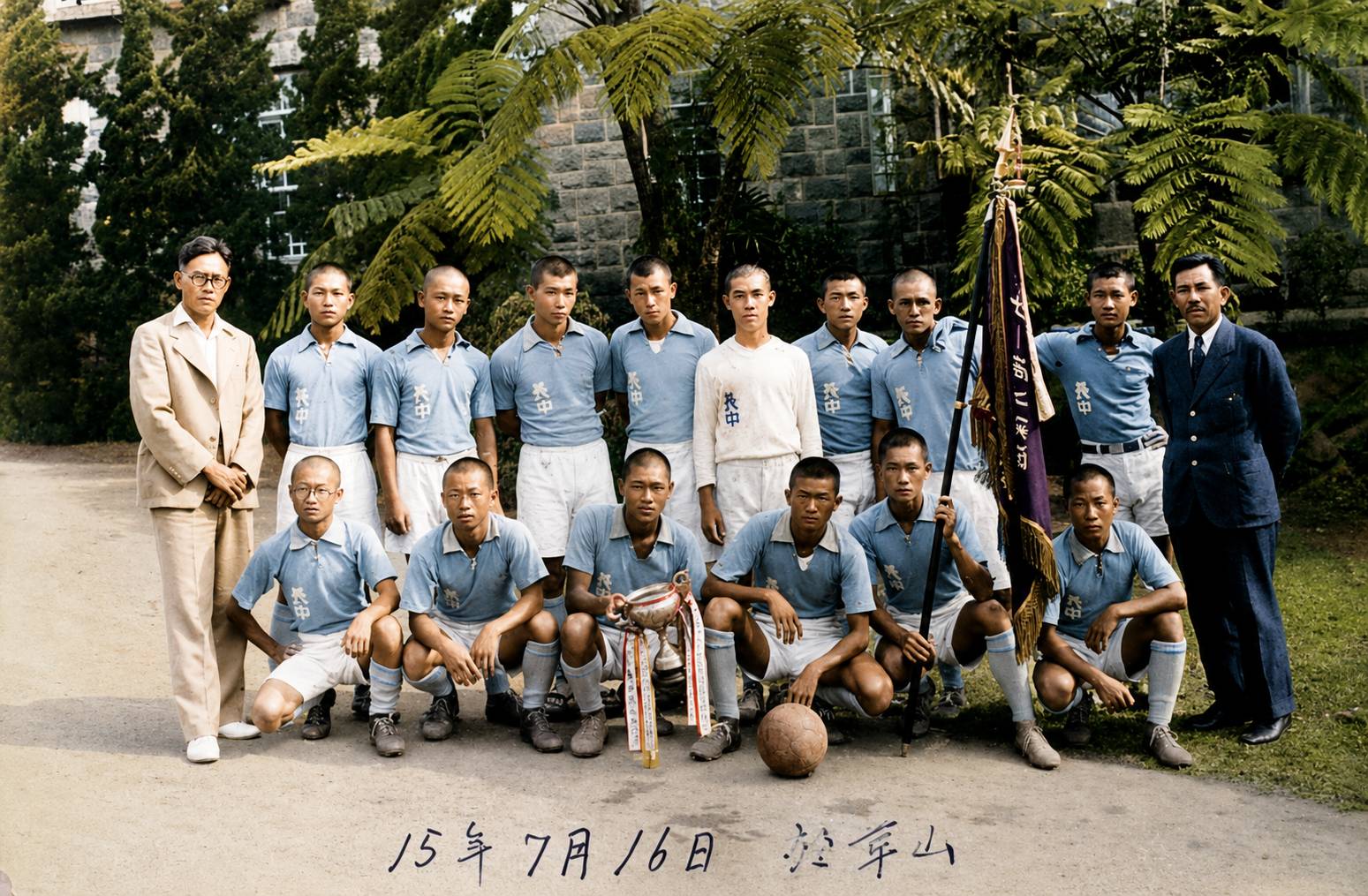
Football in Taiwan: From Missionaries to Mulan – S6-E14
As we head into the 2026 World Cup, we take a look at Taiwan’s surprisingly rich football heritage. Although a minor sport today, there have been periods of intense popularity and success. The soccer story starts more than a century ago with British Presbyterian missionary Edward Band, who introduced the sport to students in Tainan. We follow the growth of football during the Japanese colonial era, the White Terror crackdown, and then the unusual “Hong Kong Legs” era when the ROC national team used “football mercenaries.” The country’s greatest international success, however, came with the Mulan women’s football team.
11
May 20, 2026
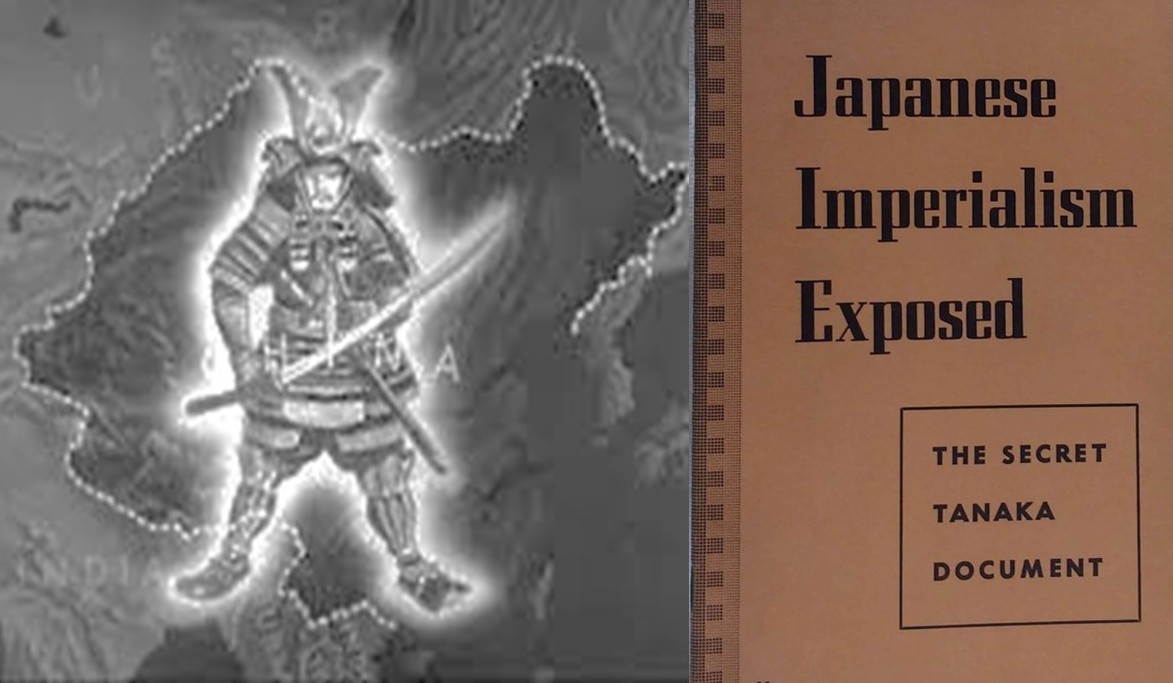
The Tanaka Memorial: A Secret Blueprint for World Conquest – S6-E11
In the 1930s, a mysterious document known as the Tanaka Memorial shocked the world. Supposedly written by Japanese Prime Minister Baron Tanaka, it outlined a strategy for conquering Manchuria, China, Southeast Asia, and even the United States. As real-life events seemed to unfold according to the alleged plan, the document became one of the most influential pieces of anti-Japanese propaganda of the twentieth century. It was quoted by American films, politicians, and many others. In this episode, we tell the story of Taiwanese businessman Tsai Chih-kan (蔡智堪), who later claimed to have personally copied the secret plans from inside the Japanese Imperial Palace. Although most historians today believe the Tanaka Memorial was a forgery, it remains an unsolved mystery. And the story of how it shaped global politics and wartime propaganda is, we think, more fascinating than the contents of the document.
10
May 13, 2026
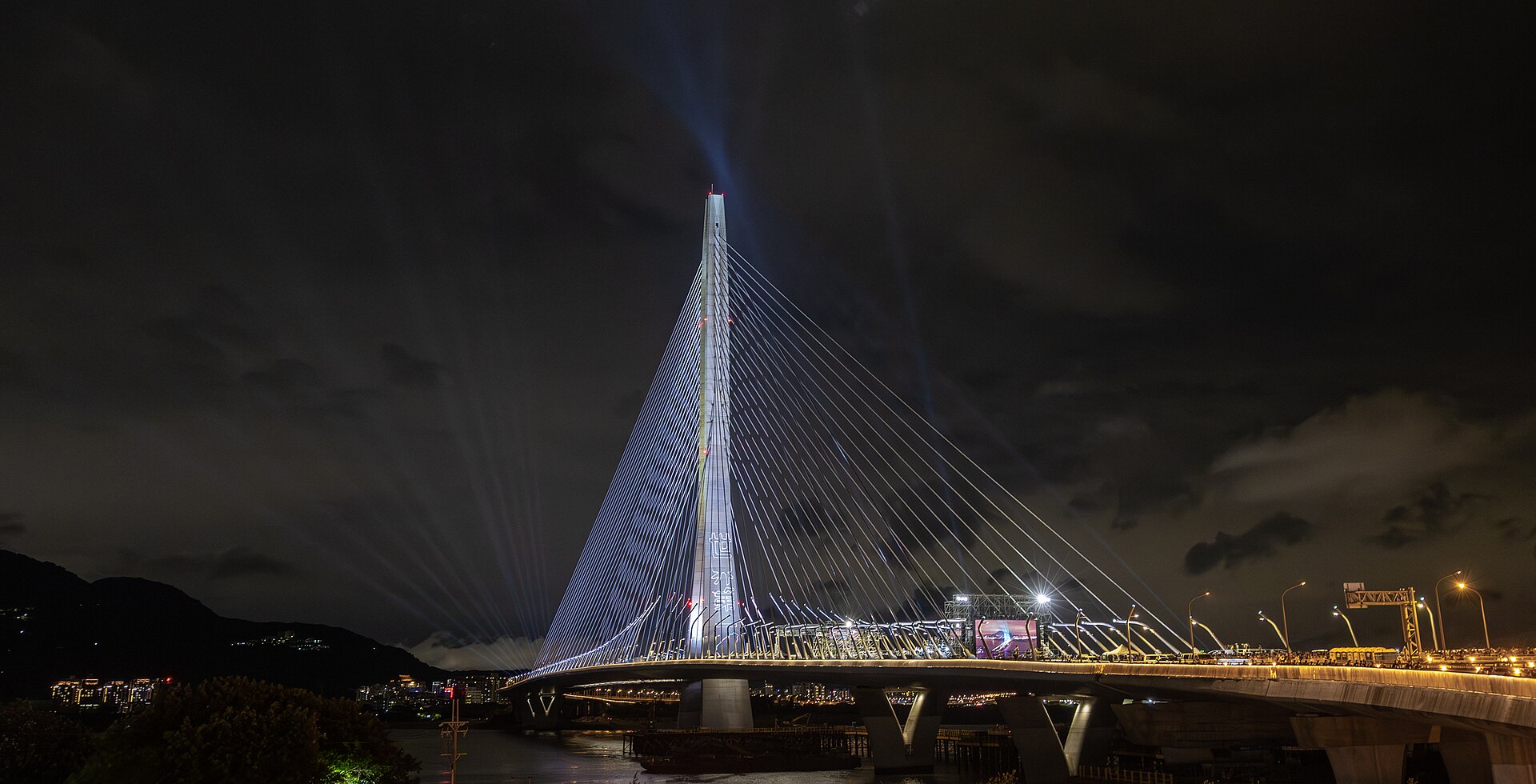
Bridges of Taiwan – S6-E10
John Ross and special guest John Groot celebrate the opening of the remarkable Danjiang Bridge in Tamsui (Danshui). They explore the bridges that transformed Taiwan: the Xiluo Bridge over the mighty Zhuoshui River, once the longest bridge in Asia, and the Taipei Bridge that helped fuel Taiwan’s economic miracle. That bridge is best known for its “Scooter Waterfall,” the tightly packed stream of scooters that pours down the Taipei-side off-ramp during morning rush hour. We follow the Taipei Bridge to the other side, the gritty, industrial district of Sanchong. John Groot shares stories from his many walks, including some hair-raising bridge crossings during his circumnavigation of Taiwan’s coastline. He also outlines his ambitious new walking project and related website, TaiwanCentric.com (formerly the Culture Shack and scheduled to relaunch on May 22)
8
April 29, 2026
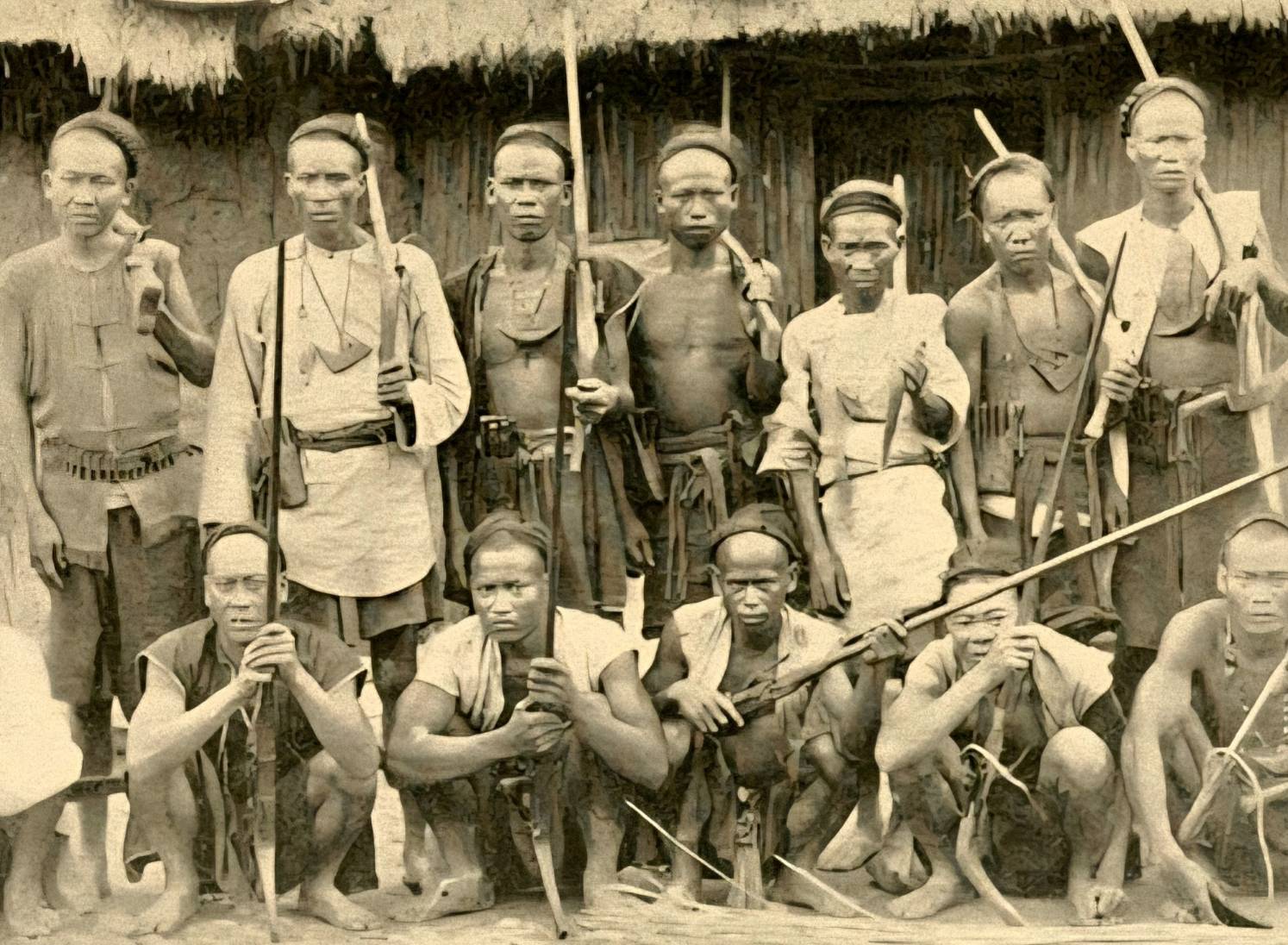
Guns in the Mountains: Taiwan’s Indigenous Firepower – S6-E8
We head into the mountains to tell the story of the deep relationship between Taiwan’s Indigenous communities and firearms. The warriors’ incredible skill and ingenuity with guns enabled them to hold off Qing dynasty forces, Western punitive expeditions, and even the modern Japanese army well into the 20th century. Far from the familiar image of bows and arrows versus modern rifles, Taiwan’s Indigenous peoples were quick to adopt and adapt firearms. Early on these firearms were simple matchlock muskets – slow to load but still deadly in skilled hands – but in the late 1880s, the Indigenous groups acquired modern rifles. Sometimes they had firepower equal to, or better than, their opponents. Through the centuries, guns became essential tools for hunting and warfare. They also became items of status and cultural importance. Guns were gifted in marriage, buried with the dead, and woven into customs of justice and belief. For this episode, we drew on the excellent dissertation by…
4
April 2, 2026
Taiwanese Tea in America, American Spies in Formosa – S6-E4
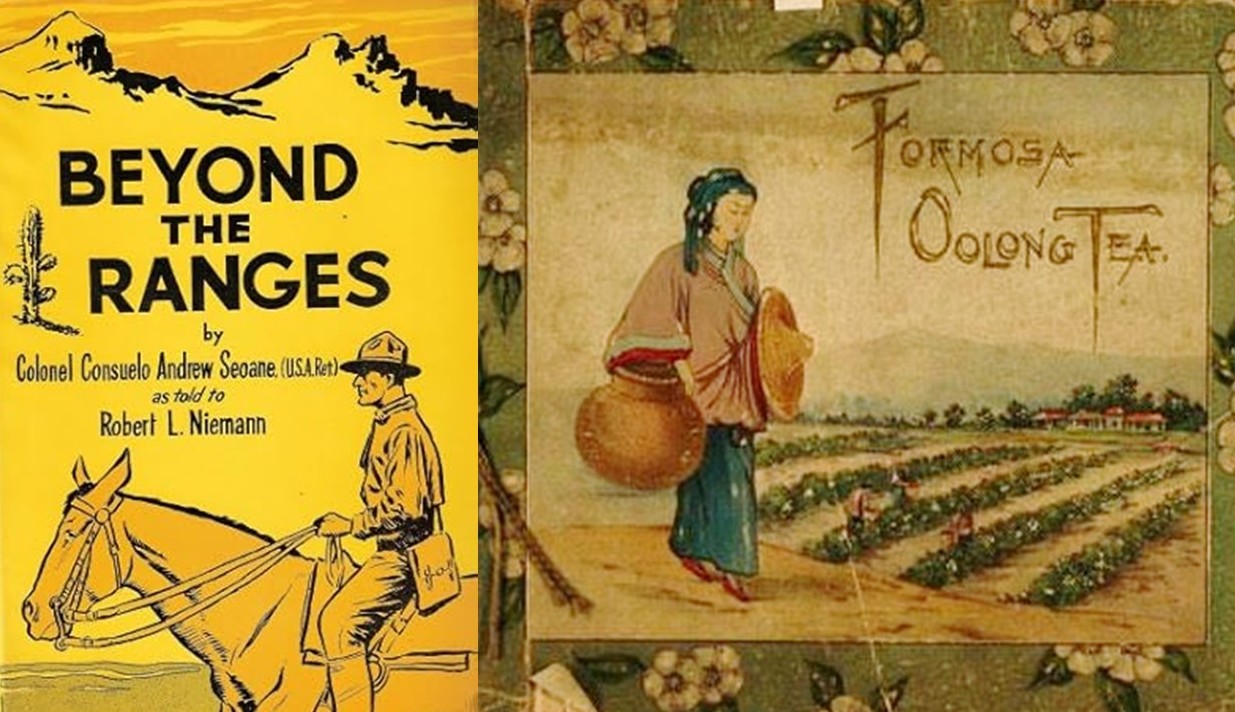
In 1904, colonial Taiwan tried to impress America with oolong tea at the St. Louis World’s Fair. Just five years later, two American spies disguised as South African zoologists were secretly roaming Japanese Formosa – but they weren’t investigating tea. They were on a U.S. Army mission to gather military intelligence. In this episode, John and Eryk explore tea, empire, espionage, and the strange relationship between Taiwan and the United States in the early 1900s.
March 28, 2026
Wasabi – Green Fire from the Mountains – Snack 03
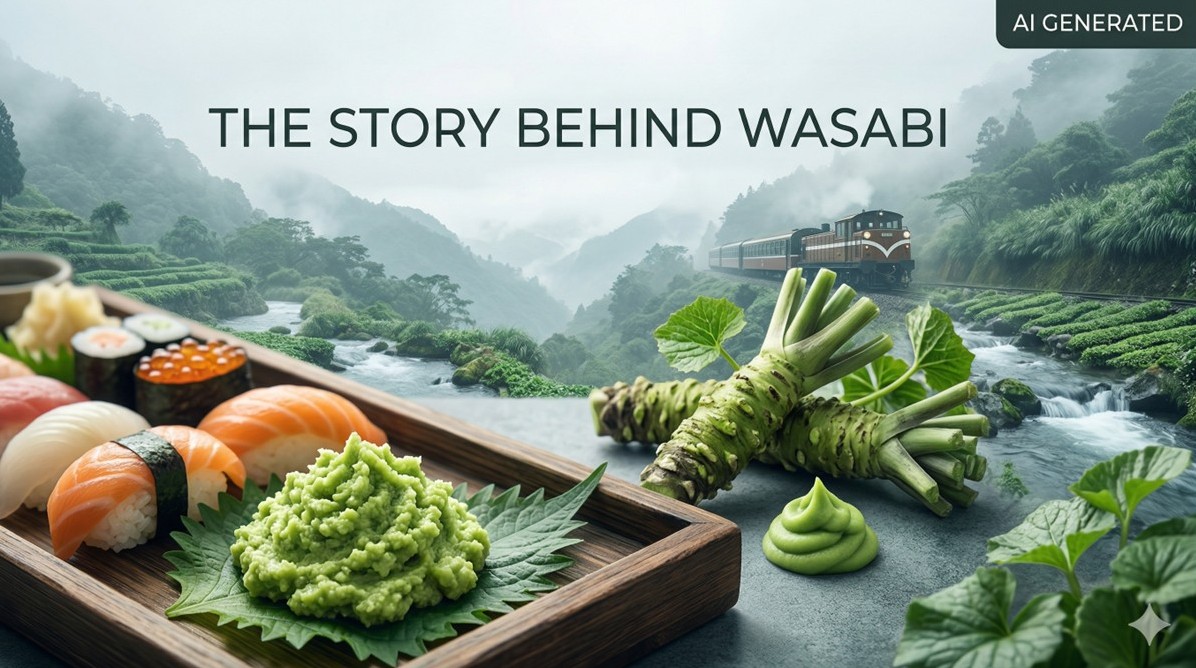
That little green blob of spicy paste beside your sushi and sashimi has an amazing backstory. The notoriously fussy plant is grown in the mountains of Taiwan (special shoutout to Chiayi County). It arrived in Alishan with the Japanese colonists and their forest railway and flourished in the cool mountain air. After disappearing for a time, it has recently made a comeback. Listen to learn the history of wasabi and find out whether you’ve been eating the real deal or a fake sauce.
2
March 18, 2026
Huang Chin-tao: a History of Taiwan Through One Man’s Life (Part 1) – S6-E2
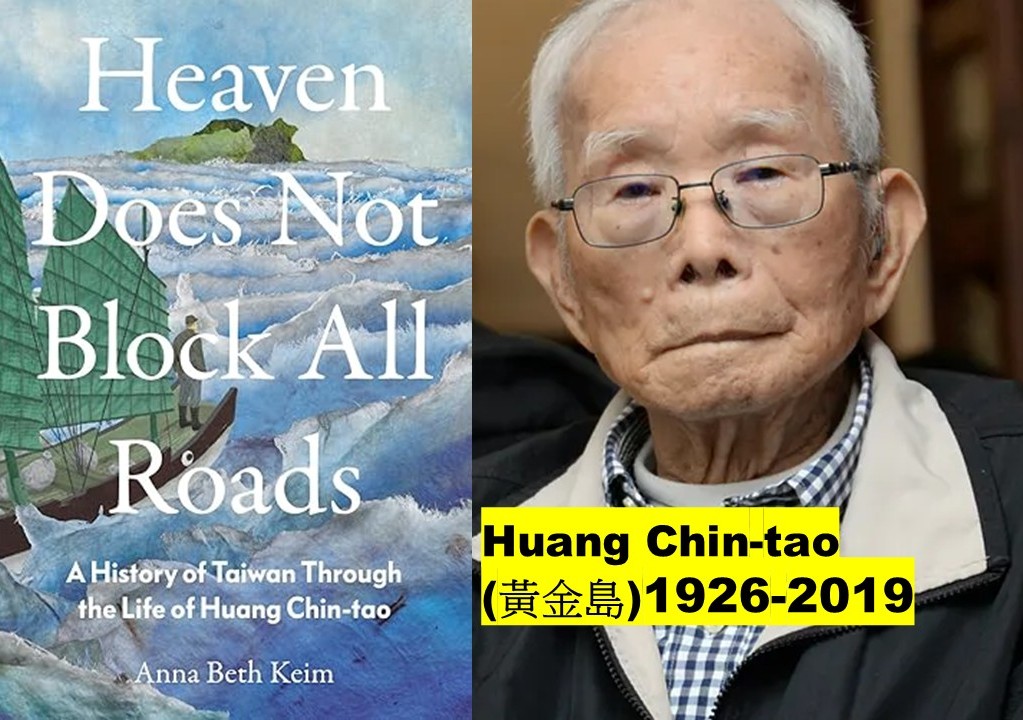
This is part one of the extraordinary life story of Huang Chin-tao (黃金島 Huáng Jīndǎo). In fact, he seemed to live not one life but many; he was a Japanese naval recruit, a combat soldier, a survivor of typhoons and pirates, an armed rebel during the 2-28 Incident of 1947, a man on the run, a prisoner, and a politician. His lifetime, 1926 to 2019, also gives us the background story of Taiwan’s turbulent 20th century. Although the turns and twists of history were often brutal for Huang, he was unbreakable, a man who refused to let fate decide his path. In the words of the title of Anna Beth Keim’s excellent biography: Heaven Does Not Block All Roads.
1
March 11, 2026
Taiwan’s Forgotten Horse History: Cowboys, Cavalry, and the Racing Craze – S6-E1
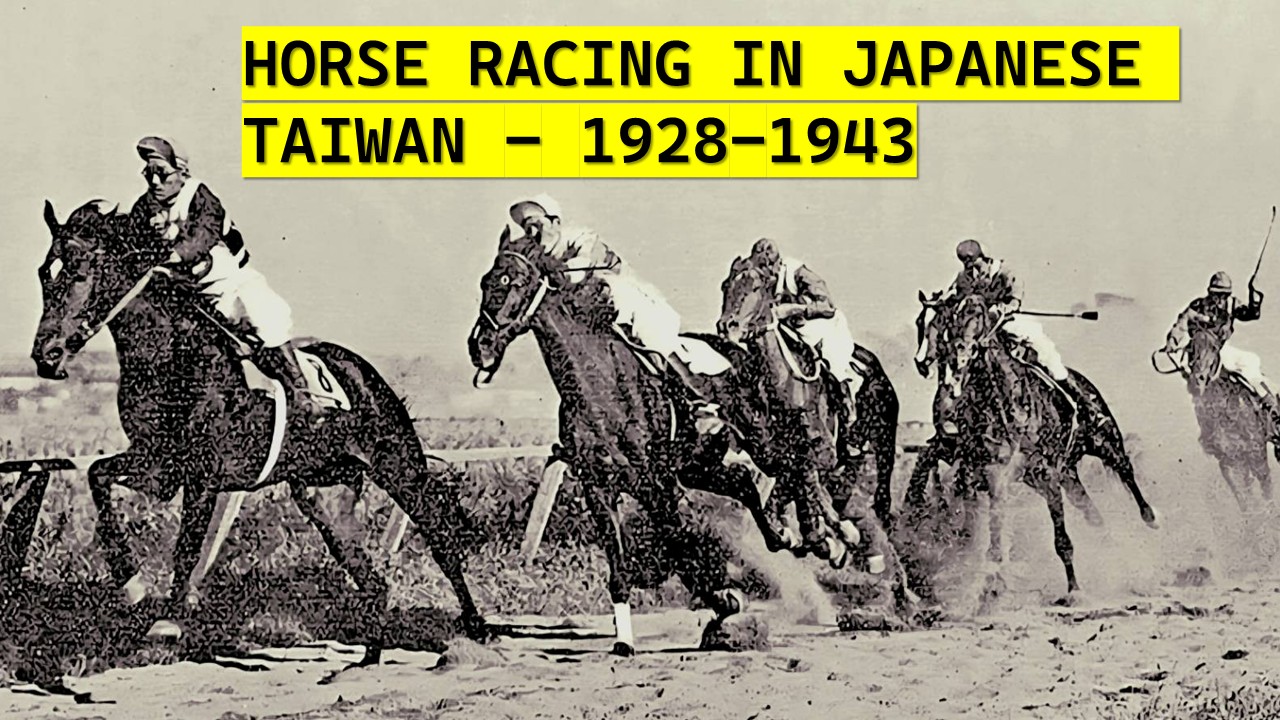
Horses have never played a big role in Taiwan’s history – or have they? Eryk and John start Season Six of Formosa Files and celebrate the Year of the Fire Horse by uncovering a series of surprising equine stories. We have prehistoric horses, Dutch cavalry, and Indigenous riders hunting wild cattle in the 1700s. And this will be a revelation to most; horse racing was hugely popular across the island during the later years of the Japanese colonial period. In the 1930s, tens of thousands flocked to the tracks, fortunes were wagered, and the Japanese colonial government even linked betting to imperial patriotism.
52
Feb. 27, 2026
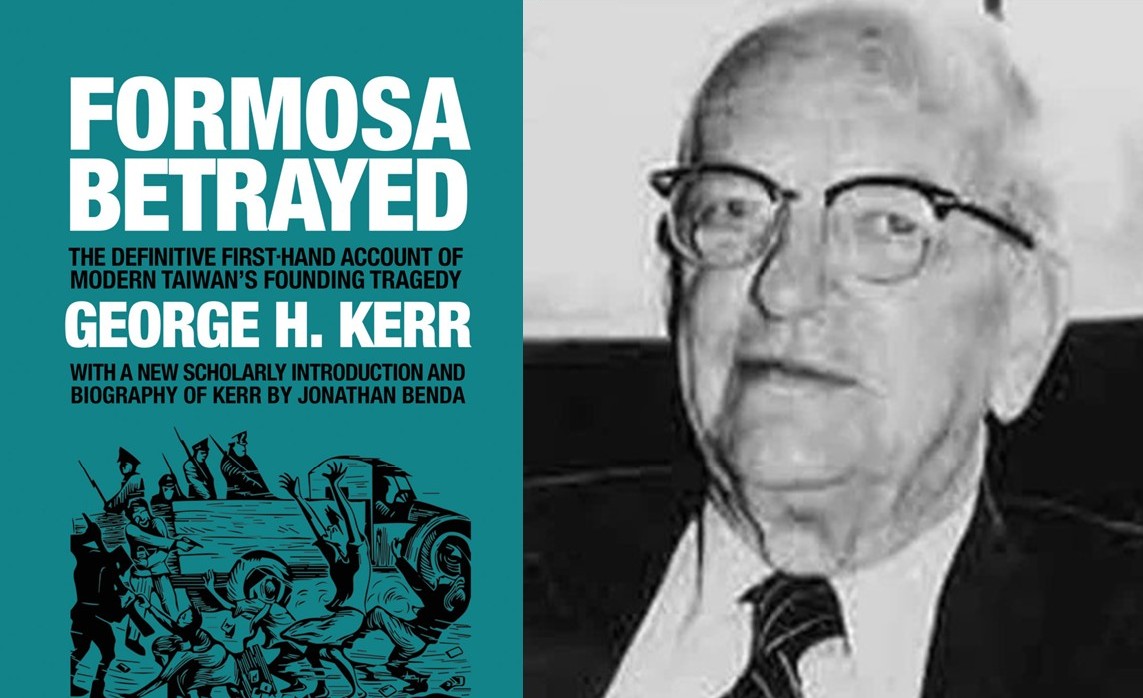
George Kerr and Formosa Betrayed (with Prof. Jonathan Benda) – S5-E52
American George H. Kerr was the most important Western eyewitness and chronicler of the February 28 Incident of 1947, the violent uprising and brutal crackdown that shaped Taiwan’s modern politics and identity. Kerr first lived in Taiwan in the late 1930s, when the island was a colony of Japan. During the war, he worked for the U.S. Navy as a Taiwan expert, and then from 1945 to 1947 served as the U.S. vice consul in Taipei. His account of Chinese Nationalist (KMT) misrule, Formosa Betrayed (1965), is arguably the most influential English-language book ever written about Taiwan. John chats with Kerr scholar Jonathan Benda about the book and the man behind it. Why did it take Kerr so long to publish his account? What does the “betrayed” in the title refer to? How did the book inspire Taiwanese democracy and independence activists? Drawing on new evidence, Benda explains it all and gives us a full picture of this complex man.
49
Feb. 11, 2026
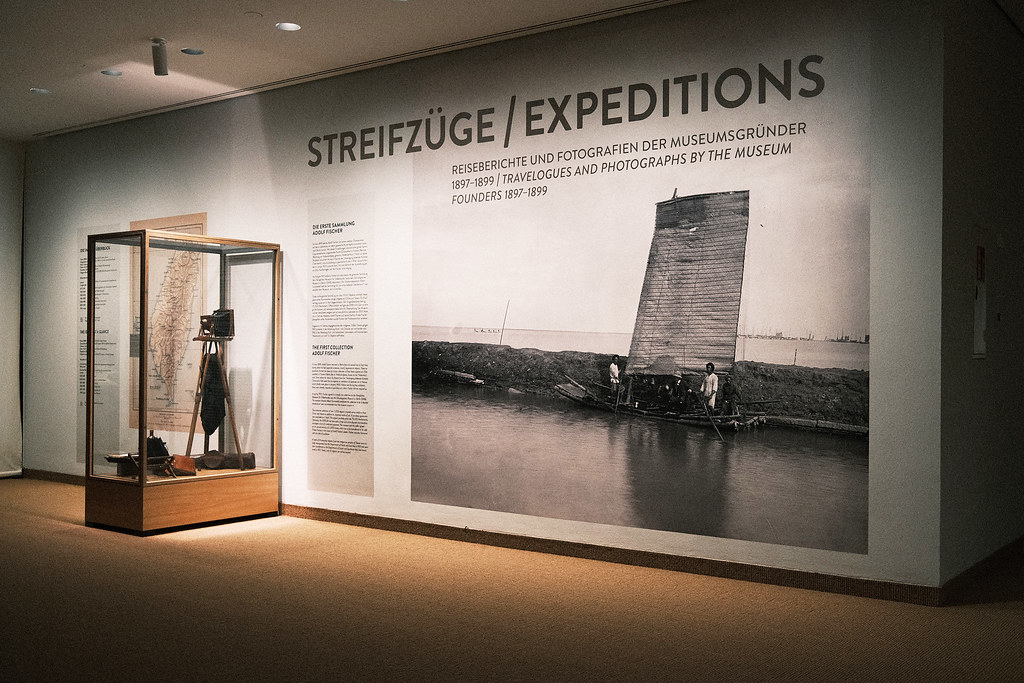
Wanderings Through Formosa (1898) – Part 3 – S5-E49
In the final episode, the pace picks up as we follow Austrian traveler Adolf Fischer on his 1898 journey through Japanese-ruled Taiwan. He heads into the dangerous hill country of central Taiwan and later gives us some memorably morose lines about gray, cholera-scarred Penghu. Fischer treks from Takao (Kaohsiung) across the southern mountains to the East Coast. Along the way, he has encounters with the Paiwan indigenous people involving fermented maize liquor and canned meat diplomacy, and yodeling. Eryk and John enjoy his often spicy opinions, sometimes agreeing (his observations on Buddhist missionaries) and at other times shaking their heads (he was so very wrong about Kaohsiung). We wrap up by looking at Fischer’s ultimate verdict on Japan’s colonial experiment, and what happened to him and to his remarkable museum legacy in Germany.
48
Feb. 7, 2026
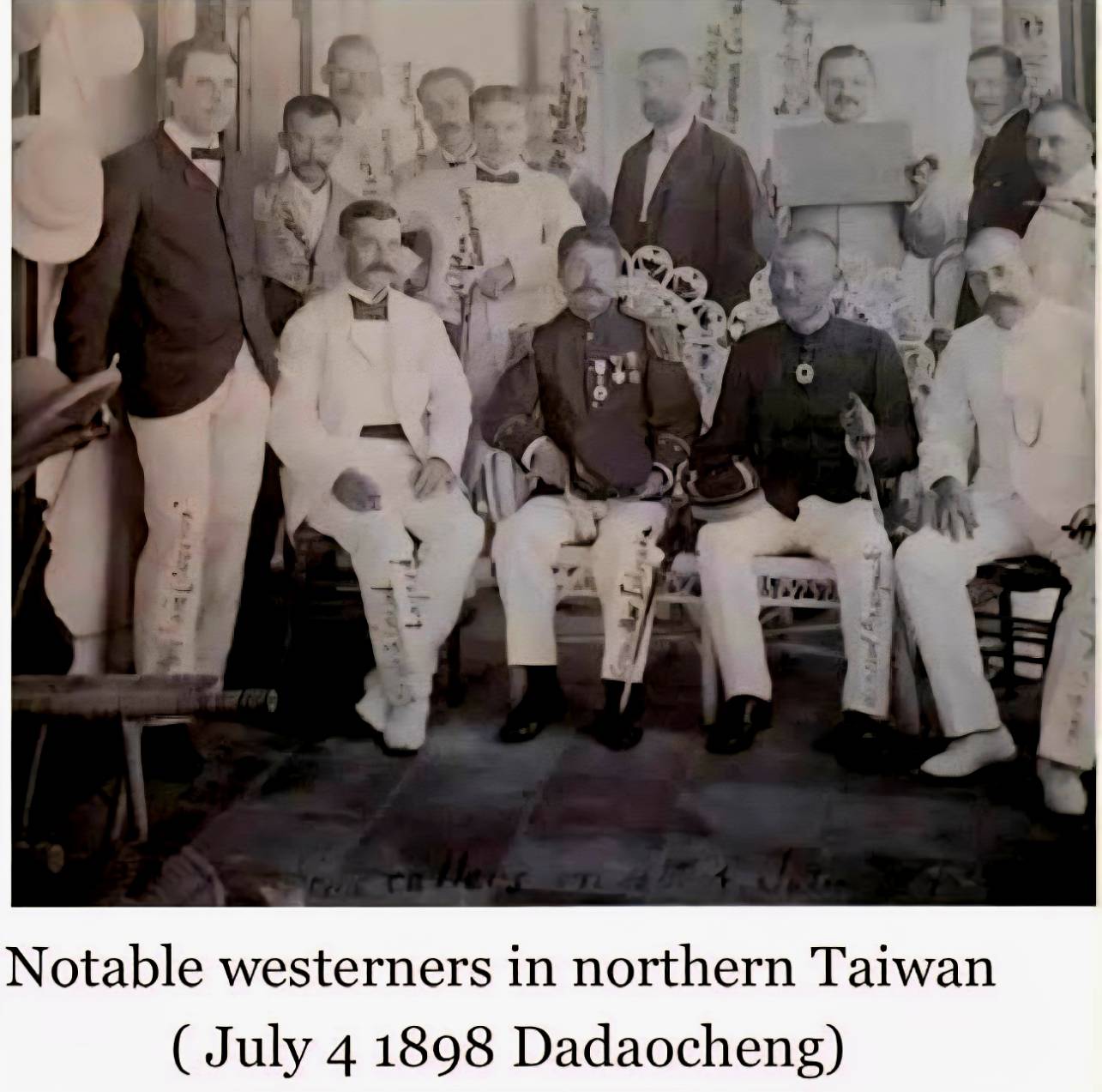
Wanderings Through Formosa (1898) – Part 2 – S5-E48
In Part 2, we continue in the footsteps of the cultured Austrian traveler Adolf Fischer on his 1898 journey in Japanese-ruled Taiwan. From the commercial enclave of Tōa-tiū-tiâⁿ (Dadaocheng), we cruise downriver to Tamsui (Danshui), meet the famed missionary George Mackay, hear warnings about rebels in the nearby hills, and solve a crocodile mystery. After overcoming Japanese suspicions that he might be a spy for the German Kaiser, Fischer heads south to Shinchiku (Hsinchu). Drawing on his 1900 book, “Wanderings Through Formosa,” we get sharp, sometimes surprising observations about the early years of Japanese rule. (The book was specially translated from into English for Formosa Files, and we enjoyed it so much that we had to make it a three-parter).
46
Feb. 4, 2026
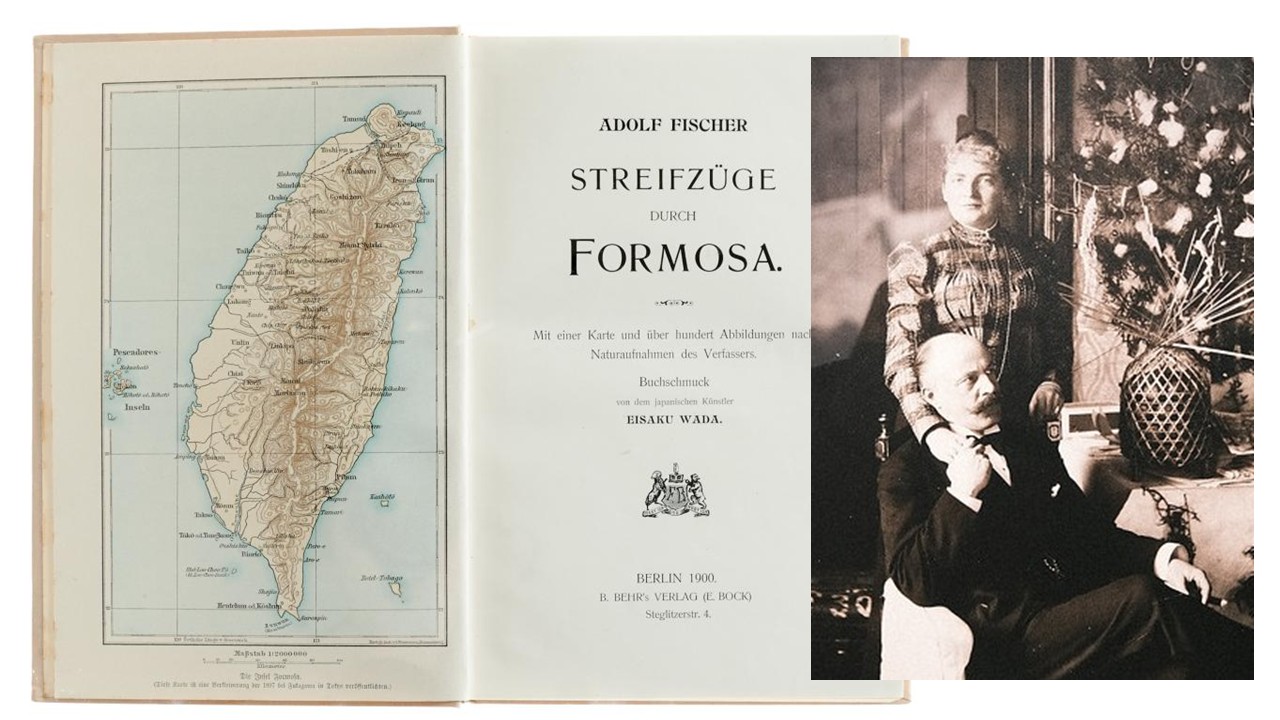
German Wanderings Through Formosa (1898) – Part 1 – S5-E47
The first in a special three-part series, this is a Taiwan travel account never before told in English. Formosa Files has had Streifzüge durch Formosa (1900) translated into English. This travelogue, Wanderings Through Formosa, describes a journey through Japanese-ruled Taiwan in the spring of 1898 by Adolf Fischer, a cultured, sharp-tongued Austrian traveler. It offers a vivid outsider’s view of the island less than three years after Japan took control. What he found here was quite different from the standard glossy images we usually associate with the Japanese colonial period. And we throw in a bonus mystery (plus solution) about the vanishing German consulate in Dadaocheng.
![S5 - [Remastered Encore] Ghost of Green Island: the SS President Hoover Shipwreck (1937)](https://s3.us-west-1.amazonaws.com/redwood-labs/showpage/uploads/images/7a11f288-7a9f-4e2e-9ebb-4e22ad111adc.jpg "S5 - [Remastered Encore] Ghost of Green Island: the SS President Hoover Shipwreck (1937)")
Jan. 7, 2026
S5 - [Remastered Encore] Ghost of Green Island: the SS President Hoover Shipwreck (1937)
Before this encore, a quick announcement: we are looking for (human) artists for a 2027 calendar project. If you're interested, get ahold of us. Thx! The SS President Hoover was a ship ahead of its time, but just seven years after being commissioned, the ship ran aground just off Green Island, which in 1937 was a part of the Japanese Empire. This encore presentation is a riveting adventure involving a possibly intentional bombing, a journey along the unfamiliar East Coast of Formosa in the dark, a shipwreck, drunken sailors, and some heartwarming pre-WWII kindness between Japan and America. This episode was first released in May, 2023.
43
Jan. 1, 2026
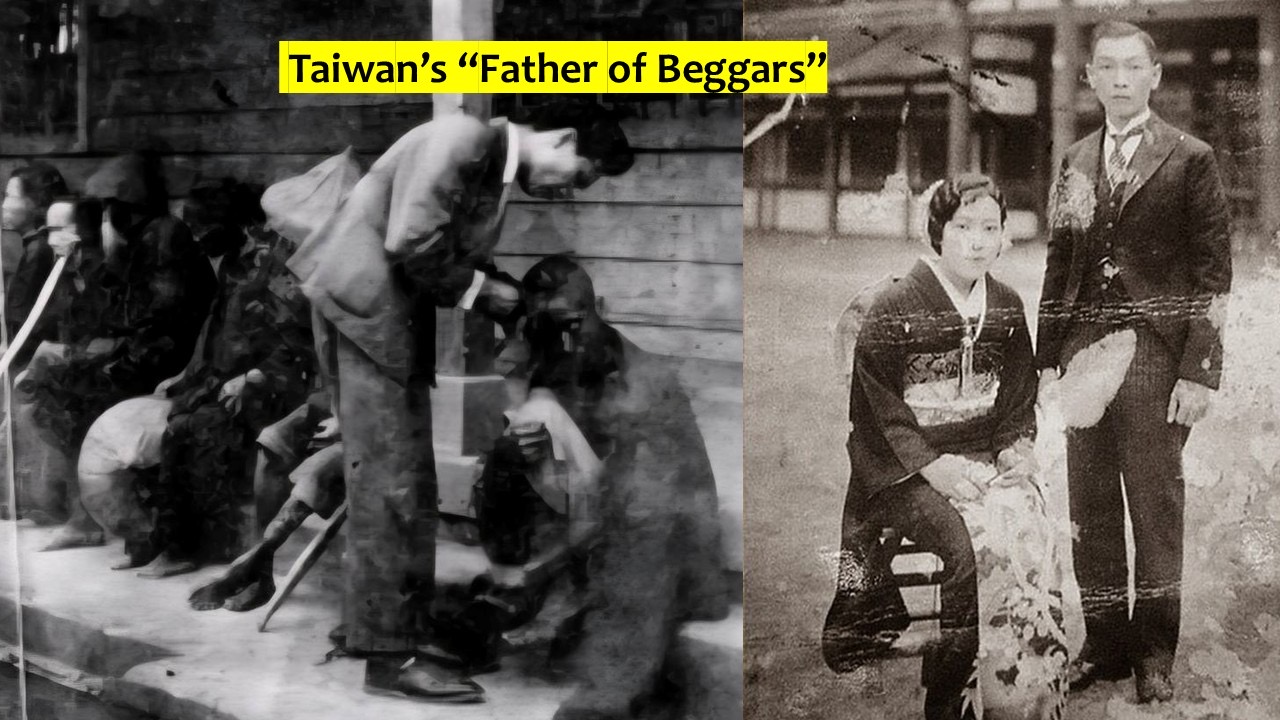
Shih Ch’ien: Taiwan’s “Father of Beggars” – S5-E43
Shih Ch’ien (施乾) is a young, well-educated Taiwanese man with a coveted government job in the Japanese colonial administration. But he turns his back on this comfortable life to live among society’s outcasts. In 1923, aged just 24, he founded a shelter for beggars, Aiai Ryō (愛愛寮, the “House of Love”) in Taipei’s Wanhua district. There, he would spend the rest of his short life caring for the destitute and demonstrating his hands-on approach to helping the poor. Shih loved beggars but hated beggi...
41
Dec. 17, 2025
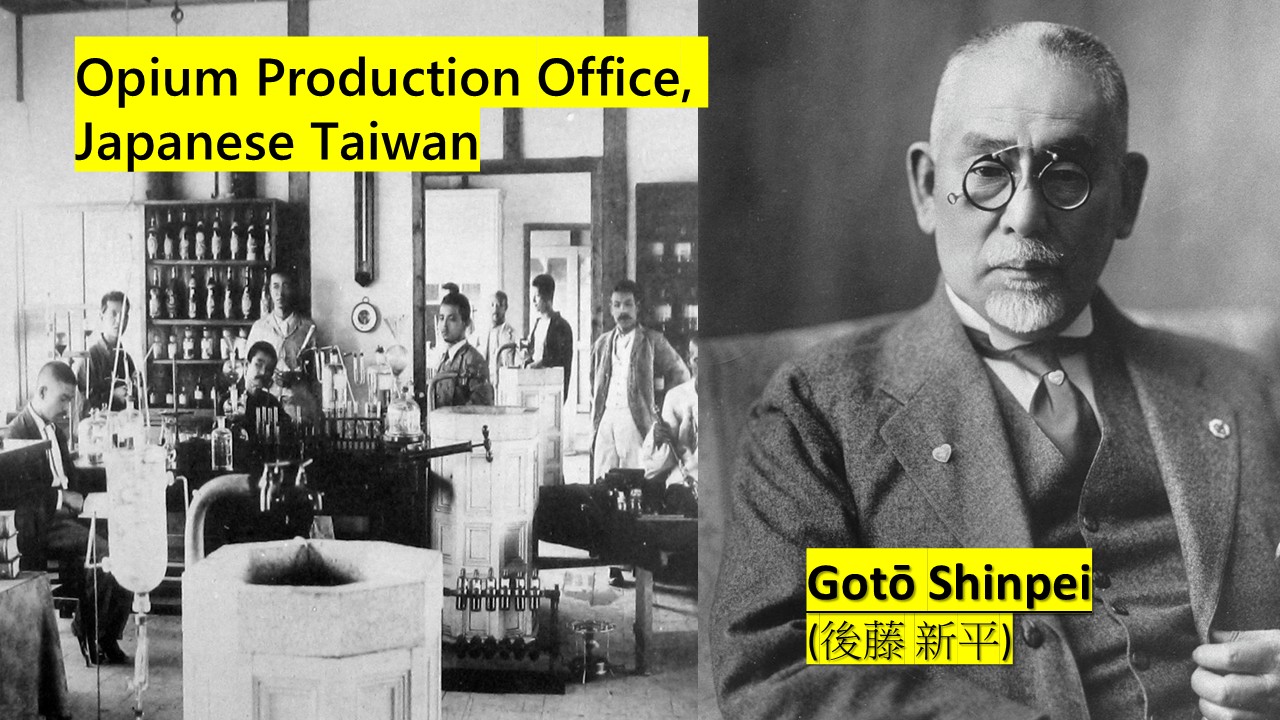
Opium Paste and Stamped Silver: Early Japanese Rule in Taiwan – S5-E41
When Japan took control of Taiwan in 1895, it inherited a financial mess: a chaotic mix of chopped silver, copper cash, and foreign coins. The new colony also cost far more to subdue and administer than it brought in. Yet during that demanding first decade, able administrators such as Gotō Shinpei turned things around, bringing monetary order and eventual profitability. The United States took notice. In its own new colony, the Philippines, American officials followed Taiwan’s monetary reforms and even came to study its opium monopoly, a system designed to reduce addiction while also funding the colonial government (opium was initially the single largest source of revenue). Eryk and John, channeling their inner opium fiend and colonial ruler, demonstrate how this system worked on the ground.
31
Oct. 9, 2025
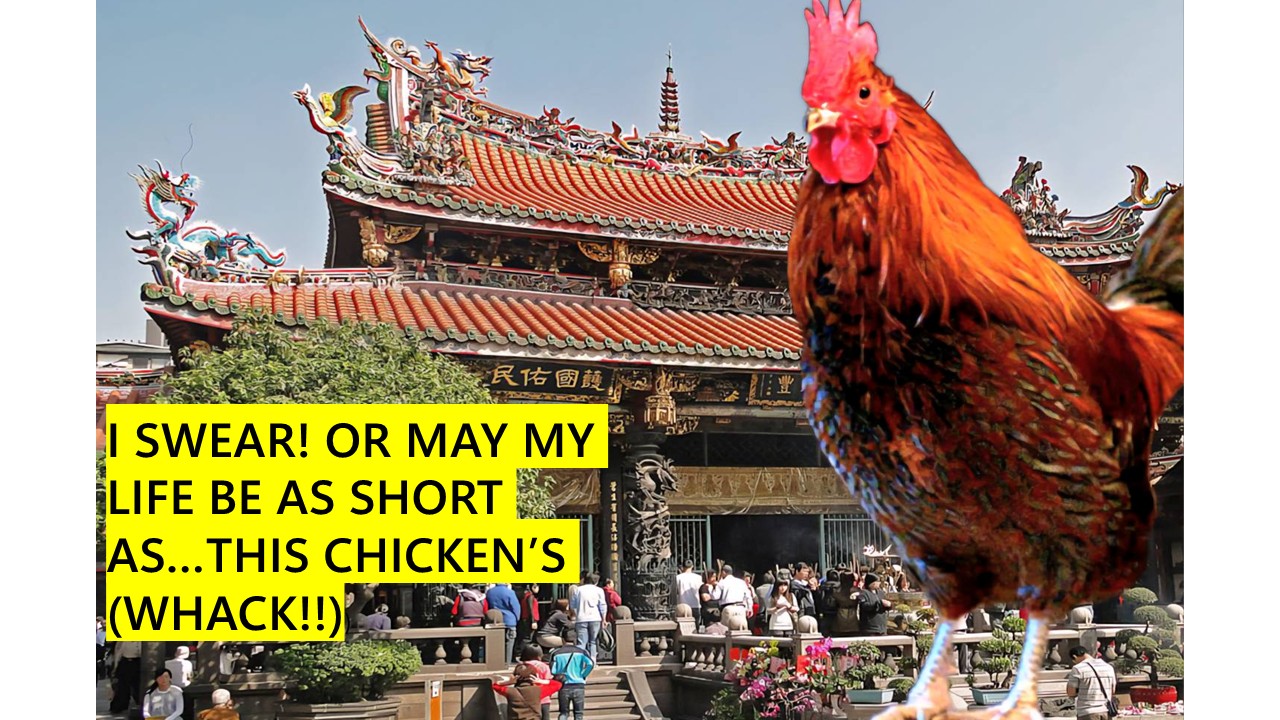
Swearing with Chickens, and other Taiwan Bird Adventures – S5-E31
Inspired by Taichung’s recent hosting of the World Bird Fair, Eryk and John explore Taiwan’s rich avian diversity and look at bird omens, bird gambling, and bird superstitions. Star species make cameo appearances, but it’s the humble chicken that gets the spotlight in this episode… and the chopping board! (Apologies for Eryk’s fondness for certain sound effects). The beheading of chickens at temples was once a common folk judicial ritual – yes, oaths of legal innocence were sworn before temple gods with the aid of feathered sacrifices. Sounds a bit gruesome, but trust us; it’s a fun episode. We swear it before the City God (whack!).
![The San Cha Mountain 三叉山 Incident of 1945 – Taiwan Marks 80 Years Since Double Tragedy [S5 Reedited Encore]](https://s3.us-west-1.amazonaws.com/redwood-labs/showpage/uploads/images/50ecc7e4-b65c-418f-97c1-0c84bc8606aa.jpg "The San Cha Mountain 三叉山 Incident of 1945 – Taiwan Marks 80 Years Since Double Tragedy [S5 Reedited Encore]")
Sept. 17, 2025
The San Cha Mountain 三叉山 Incident of 1945 – Taiwan Marks 80 Years Since Double Tragedy [S5 Reedited Encore]
Imagine you’re an Allied soldier in the Pacific during WWII. You’re captured by the Japanese, survive brutal conditions as a POW, and the dangerous voyage in a “hell ship” to Japan, where you endure more years of captivity. Finally, in August 1945, the war ends. You’re freed, ready to go home. But there will be no happy ending. Some transport planes and ships never make their destination, including a B-24 carrying 20 former POWs, which crashes into a 3,496-meter peak in Taiwan’s southern Central Mountain Range during a typhoon. Compounding the sadness, 26 members of a team made up of Japanese, Taiwanese, and Indigenous people die in a rescue/retrieval attempt. This once little-known story was featured in Season Two of Formosa Files. In 2025, however – the 80th anniversary – many news organizations featured stories marking the event. Taiwan President Lai offered a moving tribute in a Facebook post, which in part read, “Eighty years ago, a group of people, without regard to nation…
18
July 3, 2025
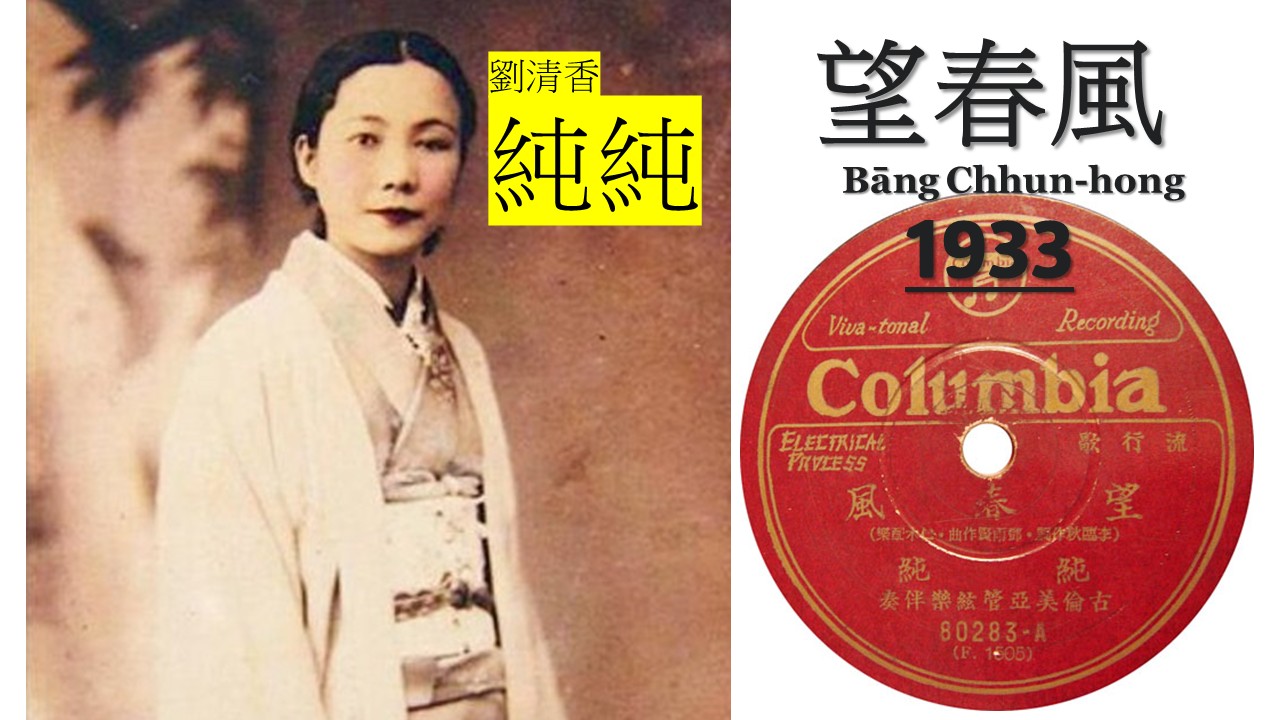
Taiwan’s 1930s Pop Boom, and Its First Pop Queen – S5-E18
Han Cheung, the man behind Taiwan in Time, the long-running history column in the Taipei Times, returns to tell the story of Taiwan’s first pop star. Liu Ching-hsiang 劉清香 was singing Taiwanese opera in the late 1920s. A few years later, under the stage name Chun-Chun 純純, she became Japanese Formosa’s first recording star — the voice behind dozens of hits and the breakout anthem “Longing for the Spring Breeze.” Hear how Columbia Records and a savvy movie tie-in made her a household name, and learn more about the 1930s, which, when it comes to music, was perhaps the most “progressive” decade of the 50 years of colonial rule.

14
May 21, 2025
Takagi Tomoe: The Japanese Doctor Who Devoted Himself to Taiwan – S5-E14
In 1902, Dr. Takagi Tomoe arrived in newly-colonized Japanese Formosa as a seasoned Japanese medical expert sent here to battle bubonic plague – one of the many tropical sicknesses that killed thousands of local people each year. Takagi had a rare sense of empathy. Unlike many of his peers, he encouraged local students to attend his medical school (even letting them speak Taiwanese). This brilliant Japanese and German-trained doctor helped create Taiwan’s medical system – and also, in an unexpected twist, Takagi was tasked with managing the company that’s today known as Taipower. In this largely forgotten story, Taipei physician Dr. Jimmy Lee joins John Ross to tell the story of how Dr. Takagi became one of colonial Taiwan’s most influential figures.

10
April 23, 2025
S5-E10 – Taiwan in the “Teens” (1911-1919)
This early part of the twentieth century was filled with revolutions and wars (including the First World War). Formosa, however, was a relatively stable Japanese colony. But not entirely stable. We’ll tell you about Chinese revolutionary Luó Fúxīng (羅福星), who was executed in Taiwan for trying to rid this island of the Japanese. And we’ve got some good info on the often-overlooked Tapani Incident – the largest Han Chinese (with Indigenous allies) revolt against Japan… and it happened two decades into Japanese rule!