
TAIWAN HISTORY - Formosa Files Episodes
31
Oct. 14, 2026
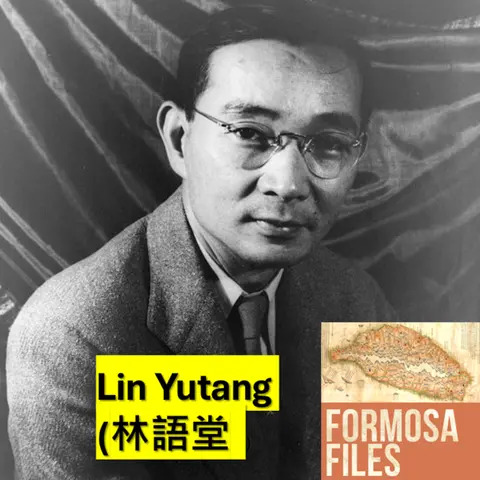
Lin Yutang: The Importance of Living – and Coming Home to Taiwan – S6-E31
Writer, philosopher, linguist, inventor – Lin Yutang (林語堂) was one of the most famous Chinese intellectuals of the twentieth century, and for decades one of the people most responsible for explaining Chinese culture to English-speaking readers. His My Country and My People introduced millions of Western readers to China, while The Importance of Living preached the virtues of leisure, humor and occasionally doing absolutely nothing. After three decades abroad, the Fujian-born Lin came to Taiwan in 1966. In his final years, living in his beautiful Yangmingshan home overlooking Taipei, he wrote about the small pleasures that made his years in Taiwan among the happiest of his life.

Oct. 10, 2026
Abacus: A Grandfather’s Journey from China to Taiwan – S6-Bonus
When his grandfather died during the COVID pandemic, Hudson Wei realized how little he knew about the man who had raised him. Determined to uncover his story, he interviewed relatives, pieced together family memories, and eventually turned this into a historical novel, Abacus. Hudson joins John from California to discuss this multigenerational saga. They begin with his grandfather’s journey from war-torn Wuhan, China, to Pingtung, Taiwan, in 1946. They then follow him to Yuanlin in central Taiwan, where he nearly lost his life during the 228 Incident of 1947. Later, in Taipei, he became involved with the mysterious Bai Tuan (White Group), a secretive organization of former Japanese military officers. John and Hudson also discuss immigration to the United States and the complicated family relationships that inspired him to turn his family history into fiction. (BTW, some listeners might know Hudson as Leeway (藍力威) from his time with the Taiwanese-American pop group Cool Silly (傻酷, Shǎ…
30
Oct. 7, 2026
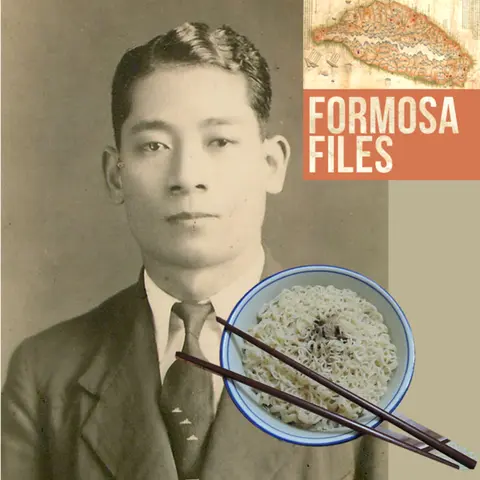
Andō Momofuku: Was the Inventor of Instant Noodles Taiwanese? – S6-E30
Andō Momofuku is a household name in Japan, celebrated as the inventor of instant noodles. But his story actually begins in Puzi, a small town in southern Taiwan, where he was born Wu Baifu in 1910. John is joined by Tom Gibb, a Japan-based translator and author of the cycling travelogue Charinko. Together they unravel the complicated history of the man and his noodles. Going behind the familiar mythology, they explore his Taiwanese childhood, early business career, wartime troubles, an interest...
Oct. 2, 2026
Taiwan at the Asian Games – and the World Games Triumph of 2009 Asian Games – Snack 10
NOTE: People not using Spotify can watch this video on YouTube. As the 2026 Asian Games in Japan come to a close, Eryk and John look back at Taiwan’s sporting struggles and successes in Asia. Who knew that the country has long been a powerhouse in soft tennis and women’s tug-of-war? After multiple unsuccessful bids to host the Asian Games, Taiwan finally had its chance to put on a show: the 2009 World Games in Kaohsiung. We revisit this breakthrough event, which featured some fascinating sports (anyone heard of korfball or canoe polo?) and plenty of Taiwanese flavor.
29
Sept. 30, 2026
Cheng Feng-hsi: A Boat in the Vast Ocean – S6-E29
Born into a poor farming family in coastal Yunlin County in 1944, Cheng Feng-hsi 鄭豐喜 (Zhèng Fēngxǐ) was severely disabled and spent much of his childhood crawling rather than walking. His early years included travelling with an elderly medicine seller and a performing monkey, and living rough in the countryside. When he finally attended school, he excelled and eventually made his way to university in Taipei, where he studied law and met his future wife, Wu Chi-chao 吳繼釗 (Wú Jìzhāo). The couple returned to his hometown of Kouhu, working as teachers, while Cheng’s autobiography, A Boat in the Vast Ocean, became a major bestseller. Cheng died in 1975, but his story lived on through a hugely successful film, the foundation established in his name, and the Cheng Feng-hsi Memorial Library in Kouhu. It’s a sad but inspiring story, and also a rare look at one of Taiwan’s forgotten corners (which happens to near John’s home).
28
Sept. 23, 2026
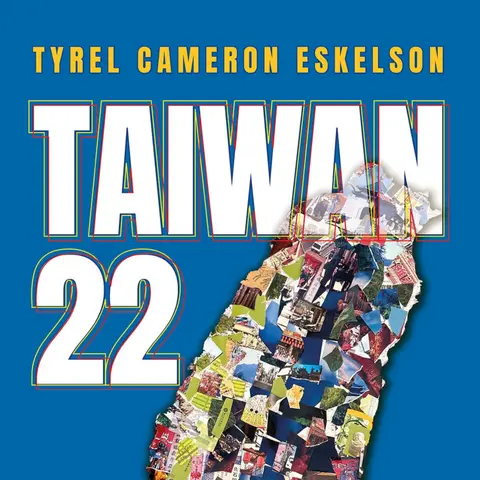
Tyrel Eskelson’s Taiwan 22: Travels in Paradox – S6-E28
What happens when curiosity about Taiwan turns into something of an obsession? Canadian academic Tyrel Eskelson, who lives in Japan, set out to understand an island nation that kept appearing in the international news. The result was months of travel, hundreds of conversations and his book Taiwan 22, published by Formosa Files’ very own Plum Rain Press. John chats with Tyrel about his travels and his impressions of Taiwan. Along the way, they attend an unusual Indigenous festival in the mountains, visit a Taipei charity helping the homeless, and stand on the frontline islands of Matsu and Kinmen.
27
Sept. 17, 2026
VIDEO - Ballots and Missiles: Taiwan’s First Presidential Election (1996) – S6-E27
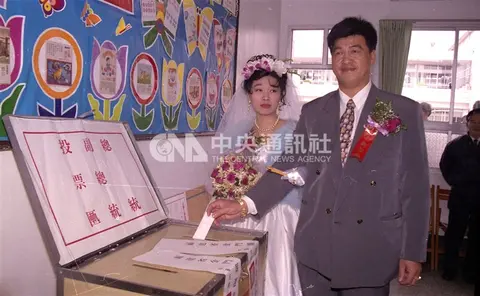
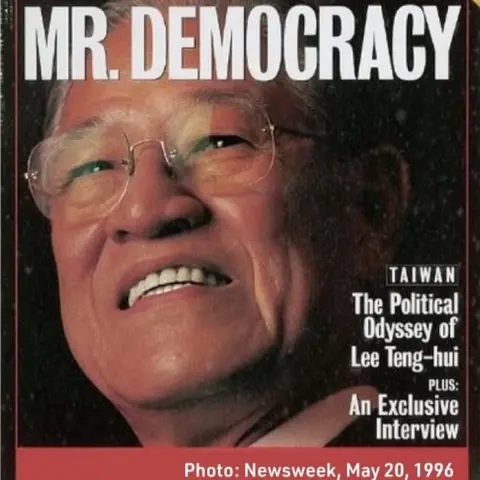
Eryk and John look back at Taiwan’s first direct presidential election: the protests and constitutional reforms that made it possible, Lee Teng-hui’s controversial visit to Cornell University, and the Chinese missile tests that turned an election campaign into the Third Taiwan Strait Crisis. On March 23, 1996, with two US carrier groups sent to the region and ROC soldiers on alert, more than ten million Taiwanese went to the polls. The leading candidates were incumbent KMT president Lee Teng-hui and the DPP’s Peng Ming-min, a veteran democracy activist and former political exile. Held in the shadow of PLA missiles, the election was a landmark in Taiwan’s democratization.
27
Sept. 17, 2026
Ballots and Missiles: Taiwan’s First Presidential Election (1996) – S6-E27
Eryk and John look back at Taiwan’s first direct presidential election: the protests and constitutional reforms that made it possible, Lee Teng-hui’s controversial visit to Cornell University, and the Chinese missile tests that turned an election campaign into the Third Taiwan Strait Crisis. On March 23, 1996, with two US carrier groups sent to the region and ROC soldiers on alert, more than ten million Taiwanese went to the polls. The leading candidates were incumbent KMT president Lee Te...

25
Sept. 10, 2026
The History of Comic Books in Taiwan – S6-E26
John is joined by writer, artist and comics enthusiast Ray Hecht for a journey through Taiwan’s manga history. This story is sometimes reduced to Japanese comics and their Taiwanese spinoffs. Ray and John, however, get into the forgotten influence of Shanghai liánhuán túhuà – “linked-picture” storybooks – in the post-WWII years. Also, central to today’s episode is the humble neighborhood rental bookstore, which put cheap popular reading into the hands of generations of Taiwanese. These books and shops were too popular at times for the government. Censorship and crackdowns were needed to protect the citizens. Enter the Comics Cleansing Movement. And listen and learn why the censors once objected to illustrations of talking animals. We wrap up with a mention of Ray’s anthology Memories of Taiwan: 37 stories about life in Taiwan by 19 artists from around the world. It’s being released with support from a Kickstarter campaign. To learn more about Ray Hecht, visit his Linktree profil…
25
Sept. 7, 2026
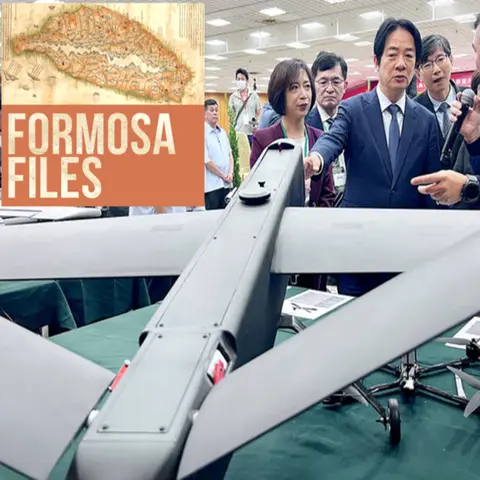
VIDEO - Drones: From Toys to Weapons, with Bryce Barros – S6-E25
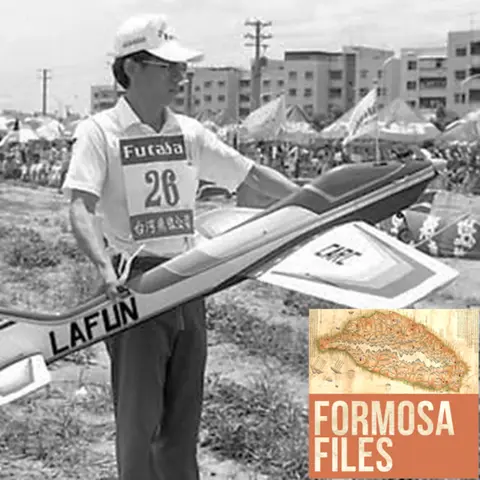
Defense analyst Bryce C. Barros tells Formosa Files about M.I.T. drones and their surprising connection to Taiwan's remote-controlled toy industry. Before China became the "world's factory," Taiwanese companies emerged as major manufacturers of inexpensive toys and electronics during the 1960s, 1970s, and 1980s, producing them for customers globally. The skills in the production of small motors, electronics, and plastics, as well as precision manufacturing, for remote-controlled toy planes, helicopters, boats, and cars would later lay the groundwork for Taiwan's early drone industry, providing the skills and supply chains. But beginning in the 1990s, Taiwan lost ground as manufacturing moved across the Taiwan Strait and China invested heavily in research and development and in large-scale drone production. Chinese companies such as DJI, founded in Shenzhen in 2006, have emerged and now lead China's dominance in the global commercial drone market, holding a lead in military drone…
25
Sept. 7, 2026
Drones: From Toys to Weapons, with Bryce Barros – S6-E25
Defense analyst Bryce C. Barros tells Formosa Files about M.I.T. drones and their surprising connection to Taiwan's remote-controlled toy industry. Before China became the "world's factory," Taiwanese companies emerged as major manufacturers of inexpensive toys and electronics during the 1960s, 1970s, and 1980s, producing them for customers globally. The skills in the production of small motors, electronics, and plastics, as well as precision manufacturing, for remote-controlled toy planes, helicopters, boats, and cars would later lay the groundwork for Taiwan's early drone industry, providing the skills and supply chains. But beginning in the 1990s, Taiwan lost ground as manufacturing moved across the Taiwan Strait and China invested heavily in research and development and in large-scale drone production. Chinese companies such as DJI, founded in Shenzhen in 2006, have emerged and now lead China's dominance in the global commercial drone market, holding a lead in military d…

Sept. 4, 2026
TAIWAN IN TIME VIDEO - The Keelung Ghost Festival
We understand that APPLE Podcasts is not showing these videos. We will try to fix this issue, but in the meantime, they can be seen HERE, or on YouTube. Created with Han Cheung from TAIWAN IN TIME.

24
Sept. 2, 2026
The 1652 Revolt: The Guo Huaiyi Rebellion – S6-E24
John is joined by writer and historian Scott Crawford to recount the bloodiest episode in the history of Dutch Formosa. A revolt, led by Guo Huaiyi, resulted in the deaths of several thousand Chinese. We look at what drove farmers to rebellion and the tragic events of September 1652. This episode grew out of John and Scott’s special ten-part read-along of Dr. Chen Yao-Chang’s novel A Tale of Three Tribes in Dutch Formosa, which follows Dutch, Chinese and Siraya characters in the mid-seventeenth ...
Sept. 1, 2026
VIDEO - WHO WAS TAIWAN'S FIRST OLYMPIAN? feat. Taiwan in Time
Created with Han Cheung from TAIWAN IN TIME.
Aug. 28, 2026
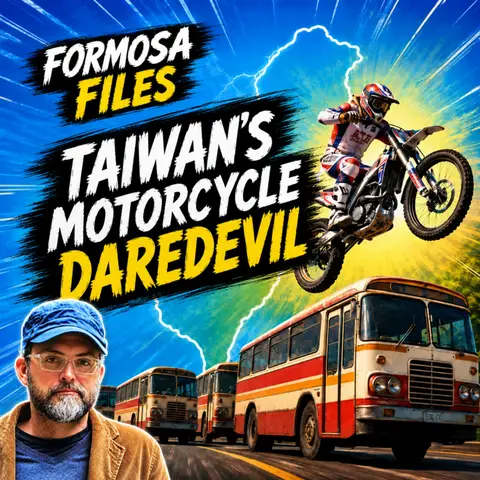
VIDEO EXTRA - Taiwan’s Motorcycle Daredevil: Lu Ch’ing-an (呂慶安)
We covered this story in a previous episode. But we recently made a video about it for the Chinese podcast, so we added an English voiceover and are offering it as a video extra. Enjoy. Full story podcast is titled: Taiwan’s Motorcycle Daredevil: Lu Ch’ing-an (呂慶安) S5-E46
23
Aug. 26, 2026
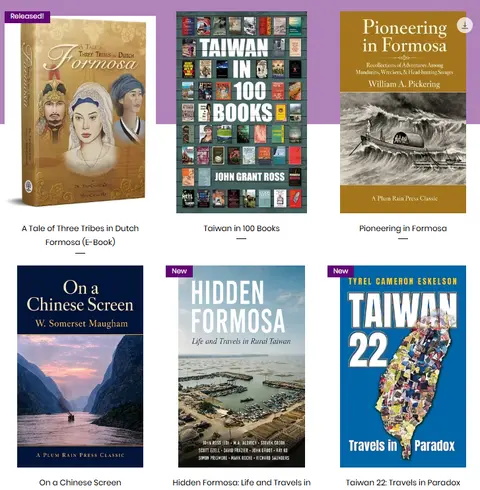
Bits and Pieces: Patriots, Traitors and New Plum Rain Press Books – S6-E23
Show Notes Listen to the first episode of the Bookish Asia episode about Three Tribes. Listen to John chatting with Tyrel about his Taiwan 22: Travels in Paradox, published by Plum Rain Press. Eskelson travelled extensively around Taiwan, talking to people – including Eryk – and using those encounters to explore the island’s history, politics, identity and present-day predicament. The Books on Asia interview covers subjects including Taiwan’s Japanese colonial legacy, a controversial take on 228...

Aug. 22, 2026
VIDEO - The 1976 Double Ten-Day Bombings – S6 [Bonus]
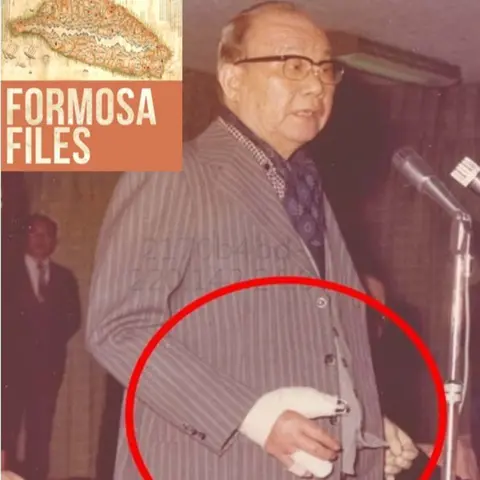
In October 1976, three innocent-looking dictionaries were mailed to senior officials in Taiwan. Hidden inside each was a homemade bomb. Two exploded, and one of the targets, Taiwan Provincial Governor Hsieh Tung-min, was badly injured. Hsieh (1908–2001) was a Taichung native who had left Japanese-ruled Taiwan as a teenager to study in China. He joined the KMT in 1930 and was one of the Taiwanese returnees who became important intermediaries in Taiwan's postwar years. The bomber was Wang Sing-nan, born in Tainan in 1941. After moving to the United States for business, he became involved in radical pro-independence politics. Convinced that peaceful opposition to the KMT regime was futile, he hatched a drastic plan for action. What happened to both men after the bombings is surprising, so make sure to follow this episode to the very end.
Aug. 22, 2026
The 1976 Double Ten-Day Bombings – S6 [Bonus]
CORRECTION: This episode originally said Wang Sing-nan was currently serving as a legislator. This was an error. Wang retired in 2012. We regret the mistake and we appreciate Steven Crook for pointing it out. --------------------------------------------------------------------------------- In October 1976, three innocent-looking dictionaries were mailed to senior officials in Taiwan. Hidden inside each was a homemade bomb. Two exploded, and one of the targets, Taiwan Provincial Governor Hsieh Tung-min, was badly injured. Hsieh (1908–2001) was a Taichung native who had left Japanese-ruled Taiwan as a teenager to study in China. He joined the KMT in 1930 and was one of the Taiwanese returnees who became important intermediaries in Taiwan's postwar years. The bomber was Wang Sing-nan, born in Tainan in 1941. After moving to the United States for business, he became involved in radical pro-independence politics. Convinced that peaceful opposition to the KMT regime was futile, he…
22
Aug. 19, 2026
1683: The Battle of Penghu – S6-E22
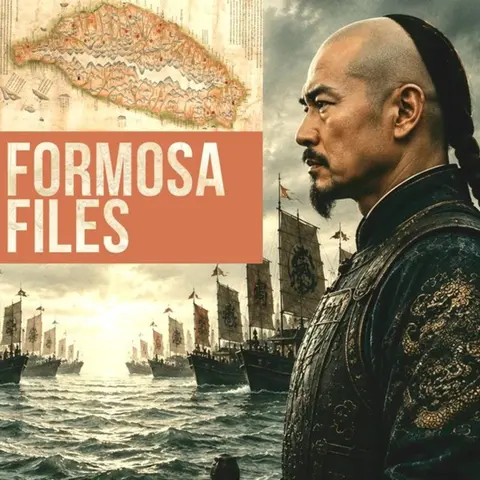
In July 1683, more than 400 warships clashed around the Penghu Islands in one of the greatest naval battles in Chinese history. Qing admiral Shi Lang had come to destroy the last major stronghold of Ming loyalist resistance: the Zheng regime on Taiwan. The naval campaign would decide Taiwan’s fate. More than three centuries later, the Battle of Penghu is politically explosive once again. A Chinese blockbuster about Shi Lang’s victory was due to open in late July 2026, complete with the message that “the unification of Taiwan is unstoppable.” Then, just before its release, the movie mysteriously disappeared from cinemas. John and Eryk tell the story of the battle that brought Taiwan under Qing rule, and ask why Beijing got cold feet with their propaganda piece. Note: this episode is also available as a video (on Spotify and YouTube). Oh, and apologies for the er… creative madness of Eryk’s movie trailer – blame it on the summer heat.
22
Aug. 19, 2026
VIDEO: 1683: The Battle of Penghu – S6-E22
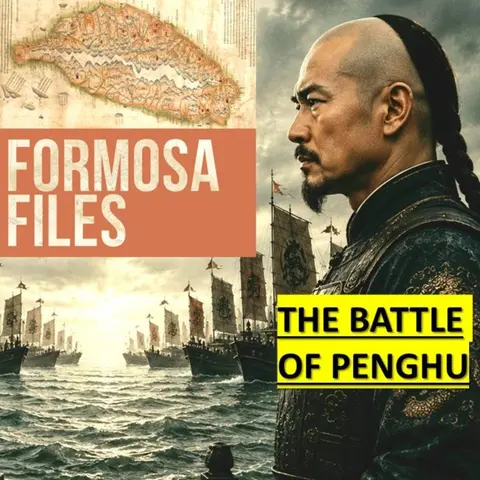
AI images used are illustrations and most are not historically accurate. In July 1683, more than 400 warships clashed around the Penghu Islands in one of the greatest naval battles in Chinese history. Qing admiral Shi Lang had come to destroy the last major stronghold of Ming loyalist resistance: the Zheng regime on Taiwan. The naval campaign would decide Taiwan’s fate. More than three centuries later, the Battle of Penghu is politically explosive once again. A Chinese blockbuster about Shi Lang’s victory was due to open in late July 2026, complete with the message that “the unification of Taiwan is unstoppable.” Then, just before its release, the movie mysteriously disappeared from cinemas. John and Eryk tell the story of the battle that brought Taiwan under Qing rule, and ask why Beijing got cold feet with their propaganda piece. Note: this episode is also available as a slightly shorter audio only version (on Spotify, Apple and other podcast platforms) Oh, and apologies…
21
Aug. 12, 2026
Taro Ice, Turnips and Pig’s Feet: Eating with President CCK – S6-E21
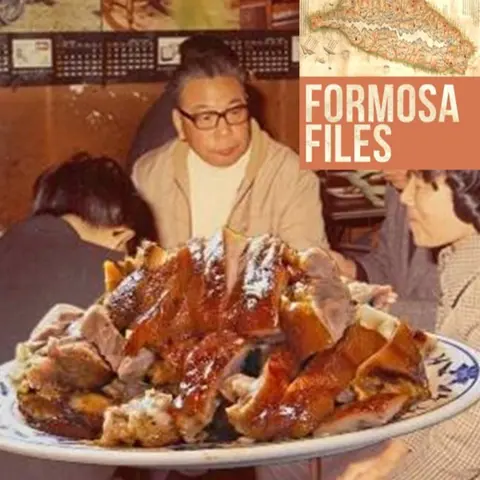
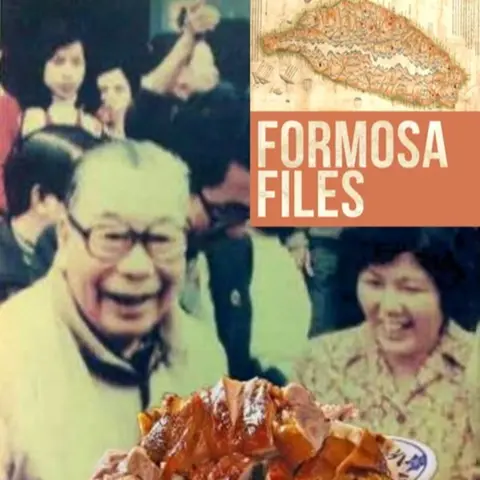
Long before social media, Taiwan had an unlikely food influencer: Chiang Ching-kuo (CCK), son of President Chiang Kai-shek. During his frequent inspection tours around the island in the 1970s and 1980s (as premier and later president), CCK cultivated an everyman image by chatting with workers and farmers and stopping to sample ordinary local foods. Sometimes, a visit from CCK was enough to transform an obscure dish or shop into a national tourist attraction. Eryk and John hit the road to follow in his culinary footsteps: from taro ice in Dali, Taichung, to daikon radishes high in the forests of Taipingshan, and finally to Wanluan pork knuckles in Pingtung.
21
Aug. 12, 2026
Taro Ice, Turnips and Pig’s Feet: Eating with President CCK – S6-E21
NOTE: Shorter, audio only version also available Long before social media, Taiwan had an unlikely food influencer: Chiang Ching-kuo (CCK), son of President Chiang Kai-shek. During his frequent inspection tours around the island in the 1970s and 1980s (as premier and later president), CCK cultivated an everyman image by chatting with workers and farmers and stopping to sample ordinary local foods. Sometimes, a visit from CCK was enough to transform an obscure dish or shop into a national tourist attraction. Eryk and John hit the road to follow in his culinary footsteps: from taro ice in Dali, Taichung, to daikon radishes high in the forests of Taipingshan, and finally to Wanluan pork knuckles in Pingtung.
20
Aug. 5, 2026
Chen Chu, Part 2: Tragedy, Triumphs, and the Transformation of Kaohsiung – S6-E20
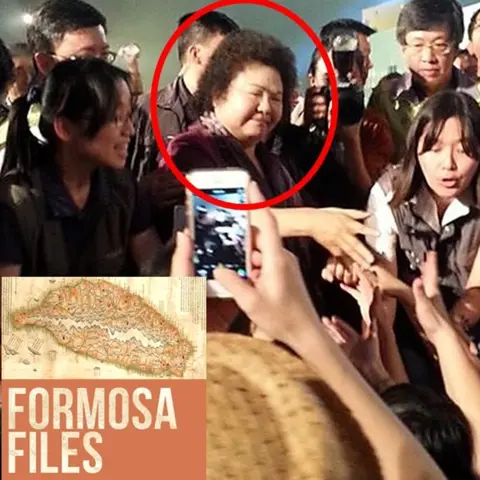
In 1986, after more than six years behind bars, Chen Chu was released on parole. She immediately doubled down on Taiwan’s democratic struggle. In Part Two, we trace her rise from dissident to political heavyweight. We cover her role in founding the opposition Democratic Progressive Party (DPP), the fallout from the Kaohsiung MRT migrant-worker scandal that cost her her job as labor chief, and her razor-thin victory in the 2006 mayoral race. She would go on to shape Kaohsiung for more than a decade, but her administration was not without controversy, most notably over the devastating 2014 gas explosions. Cover image shows Chen Chu at a final 2014 mayoral campaign rally in Fongshan, Kaohsiung. (By Eryk Michael Smith)
Aug. 1, 2026
Taiwan’s Volunteer Bridge Builders: The Chiayi Ant Army – Snack 09
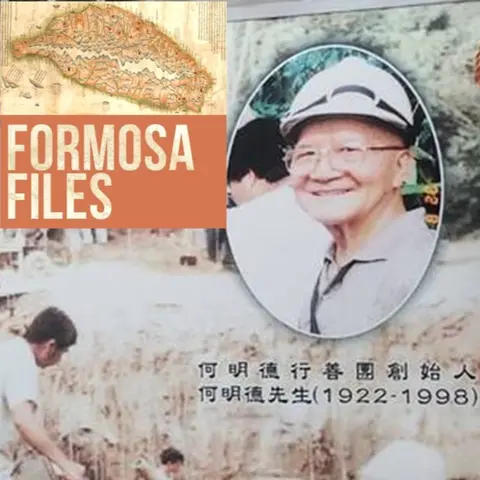
In 1960s rural Taiwan, crossing a river could be deadly. After children drowned on their way to school, a small group of charity workers in Chiayi decided to act. They had previously provided rice and coffins to the poor. But now they turned to building bridges in rural, often remote mountain areas. Nicknamed the “Ant Army,” they worked in human chains, carrying rocks and pouring concrete by hand. Their raw physical effort was supported by the expertise and guidance of engineer Ho Ming-teh (何明德1922–1998) who would be internationally recognized for his contribution. By the time of his death, Ho and the Chiayi Philanthropy Group had built more than 200 bridges.