
Taiwan's Fight For Democracy Episodes
Taiwan’s struggle for democracy emerged from decades of authoritarian rule following its transfer from Japan to the Republic of China in 1945. Early tensions between local residents and incoming Nationalist officials erupted in the February 28 Incident of 1947, when protests were violently suppressed and thousands were killed. This marked the start of the White Terror era, during which martial law, imposed in 1949 after the Kuomintang retreated to Taiwan, restricted political opposition, media, and civil liberties for nearly four decades.
Despite tight controls, social change in the 1970s and 1980s fostered growing demands for reform. A rising middle class, expanding education, and international isolation after losing the United Nations seat in 1971 all contributed to pressure for political liberalization. Opposition activists known as the "tangwai" organized protests and publications, most notably during the 1979 Kaohsiung Incident, which drew global attention to Taiwan’s lack of freedoms.
Reform accelerated under Chiang Ching kuo, who lifted martial law in 1987. His successor Lee Teng hui advanced constitutional changes and democratic elections, culminating in Taiwan’s first direct presidential election in 1996. Since then, peaceful transfers of power and an active civil society have consolidated Taiwan’s democratic system.
Despite tight controls, social change in the 1970s and 1980s fostered growing demands for reform. A rising middle class, expanding education, and international isolation after losing the United Nations seat in 1971 all contributed to pressure for political liberalization. Opposition activists known as the "tangwai" organized protests and publications, most notably during the 1979 Kaohsiung Incident, which drew global attention to Taiwan’s lack of freedoms.
Reform accelerated under Chiang Ching kuo, who lifted martial law in 1987. His successor Lee Teng hui advanced constitutional changes and democratic elections, culminating in Taiwan’s first direct presidential election in 1996. Since then, peaceful transfers of power and an active civil society have consolidated Taiwan’s democratic system.
27
Sept. 17, 2026
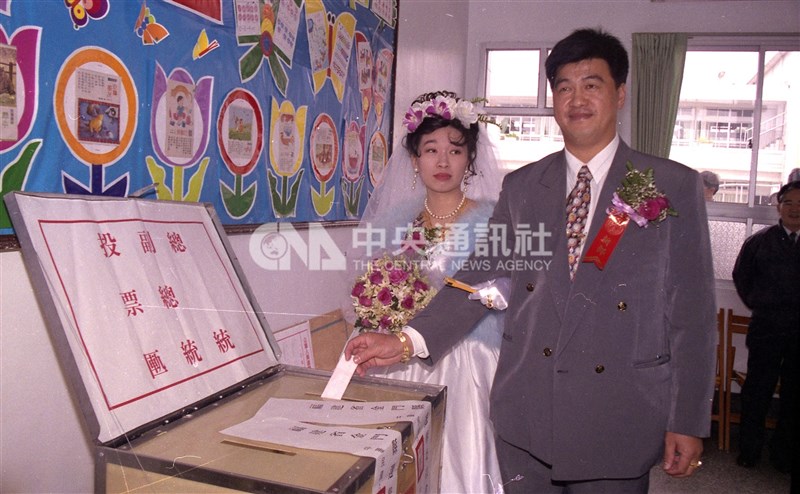
VIDEO - Ballots and Missiles: Taiwan’s First Presidential Election (1996) – S6-E27
Eryk and John look back at Taiwan’s first direct presidential election: the protests and constitutional reforms that made it possible, Lee Teng-hui’s controversial visit to Cornell University, and the Chinese missile tests that turned an election campaign into the Third Taiwan Strait Crisis. On March 23, 1996, with two US carrier groups sent to the region and ROC soldiers on alert, more than ten million Taiwanese went to the polls. The leading candidates were incumbent KMT president Lee Teng-hui and the DPP’s Peng Ming-min, a veteran democracy activist and former political exile. Held in the shadow of PLA missiles, the election was a landmark in Taiwan’s democratization.
27
Sept. 17, 2026
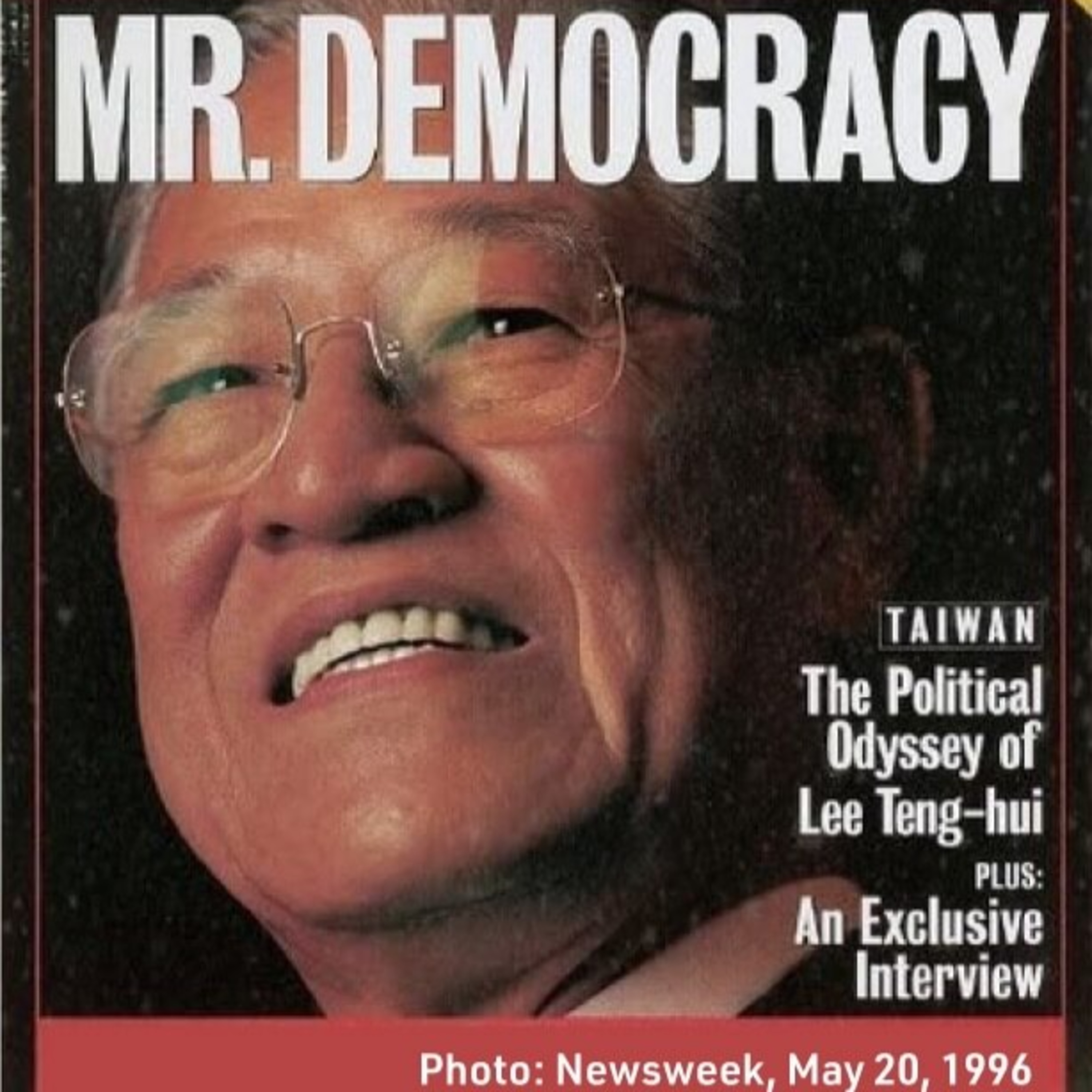
Ballots and Missiles: Taiwan’s First Presidential Election (1996) – S6-E27
Eryk and John look back at Taiwan’s first direct presidential election: the protests and constitutional reforms that made it possible, Lee Teng-hui’s controversial visit to Cornell University, and the Chinese missile tests that turned an election campaign into the Third Taiwan Strait Crisis. On March 23, 1996, with two US carrier groups sent to the region and ROC soldiers on alert, more than ten million Taiwanese went to the polls. The leading candidates were incumbent KMT president Lee Te...
![VIDEO - The 1976 Double Ten-Day Bombings – S6 [Bonus]](https://d3t3ozftmdmh3i.cloudfront.net/staging/podcast_uploaded_episode/14321120/14321120-1787384294869-ada64b0b4fb2d.jpg "VIDEO - The 1976 Double Ten-Day Bombings – S6 [Bonus]")
Aug. 22, 2026
VIDEO - The 1976 Double Ten-Day Bombings – S6 [Bonus]
In October 1976, three innocent-looking dictionaries were mailed to senior officials in Taiwan. Hidden inside each was a homemade bomb. Two exploded, and one of the targets, Taiwan Provincial Governor Hsieh Tung-min, was badly injured. Hsieh (1908–2001) was a Taichung native who had left Japanese-ruled Taiwan as a teenager to study in China. He joined the KMT in 1930 and was one of the Taiwanese returnees who became important intermediaries in Taiwan's postwar years. The bomber was Wang Sing-nan, born in Tainan in 1941. After moving to the United States for business, he became involved in radical pro-independence politics. Convinced that peaceful opposition to the KMT regime was futile, he hatched a drastic plan for action. What happened to both men after the bombings is surprising, so make sure to follow this episode to the very end.
20
Aug. 5, 2026
Chen Chu, Part 2: Tragedy, Triumphs, and the Transformation of Kaohsiung – S6-E20
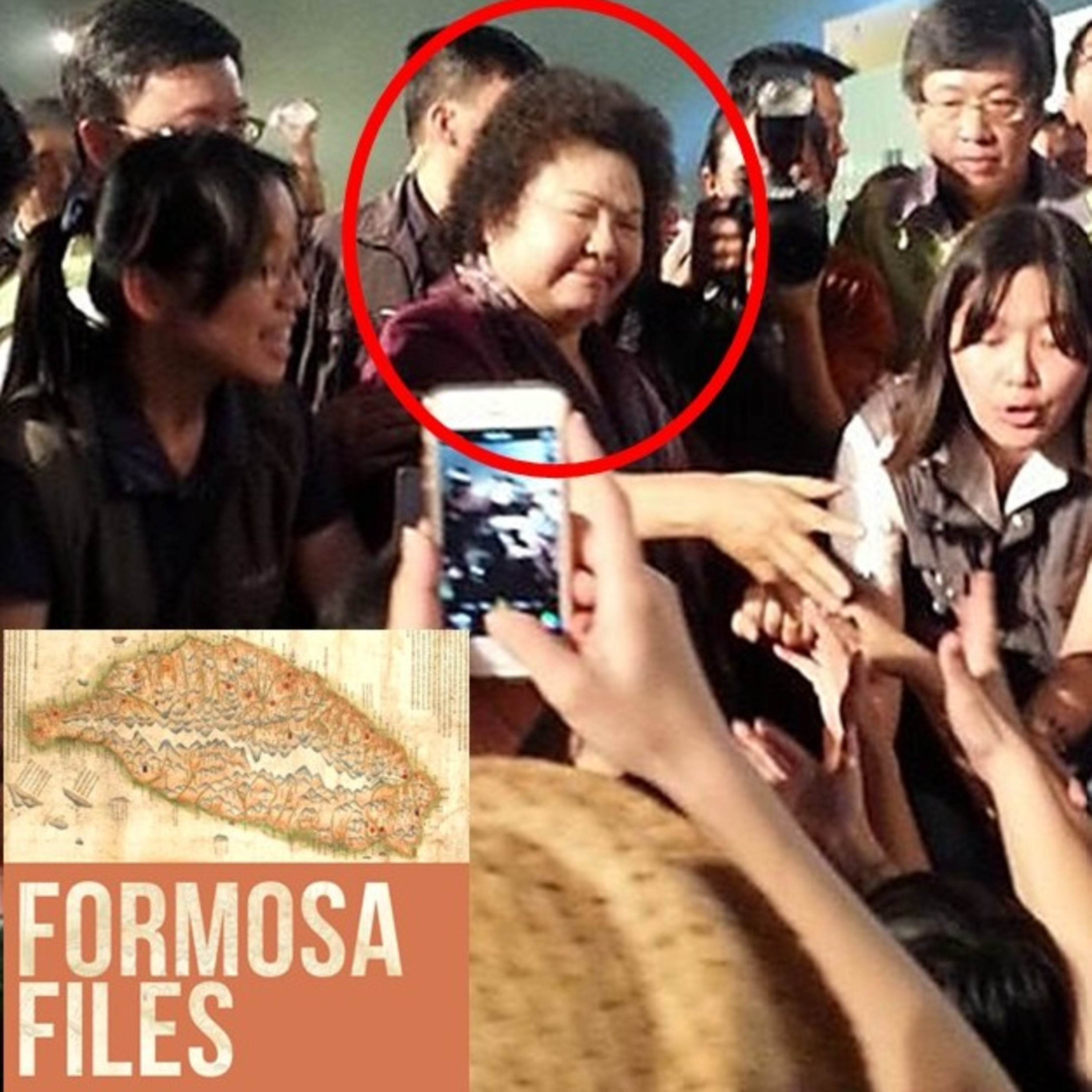
In 1986, after more than six years behind bars, Chen Chu was released on parole. She immediately doubled down on Taiwan’s democratic struggle. In Part Two, we trace her rise from dissident to political heavyweight. We cover her role in founding the opposition Democratic Progressive Party (DPP), the fallout from the Kaohsiung MRT migrant-worker scandal that cost her her job as labor chief, and her razor-thin victory in the 2006 mayoral race. She would go on to shape Kaohsiung for more than a decade, but her administration was not without controversy, most notably over the devastating 2014 gas explosions. Cover image shows Chen Chu at a final 2014 mayoral campaign rally in Fongshan, Kaohsiung. (By Eryk Michael Smith)
19
July 22, 2026
Chen Chu, Part 1: The Prisoner Who Would Lead Kaohsiung – S6-E19
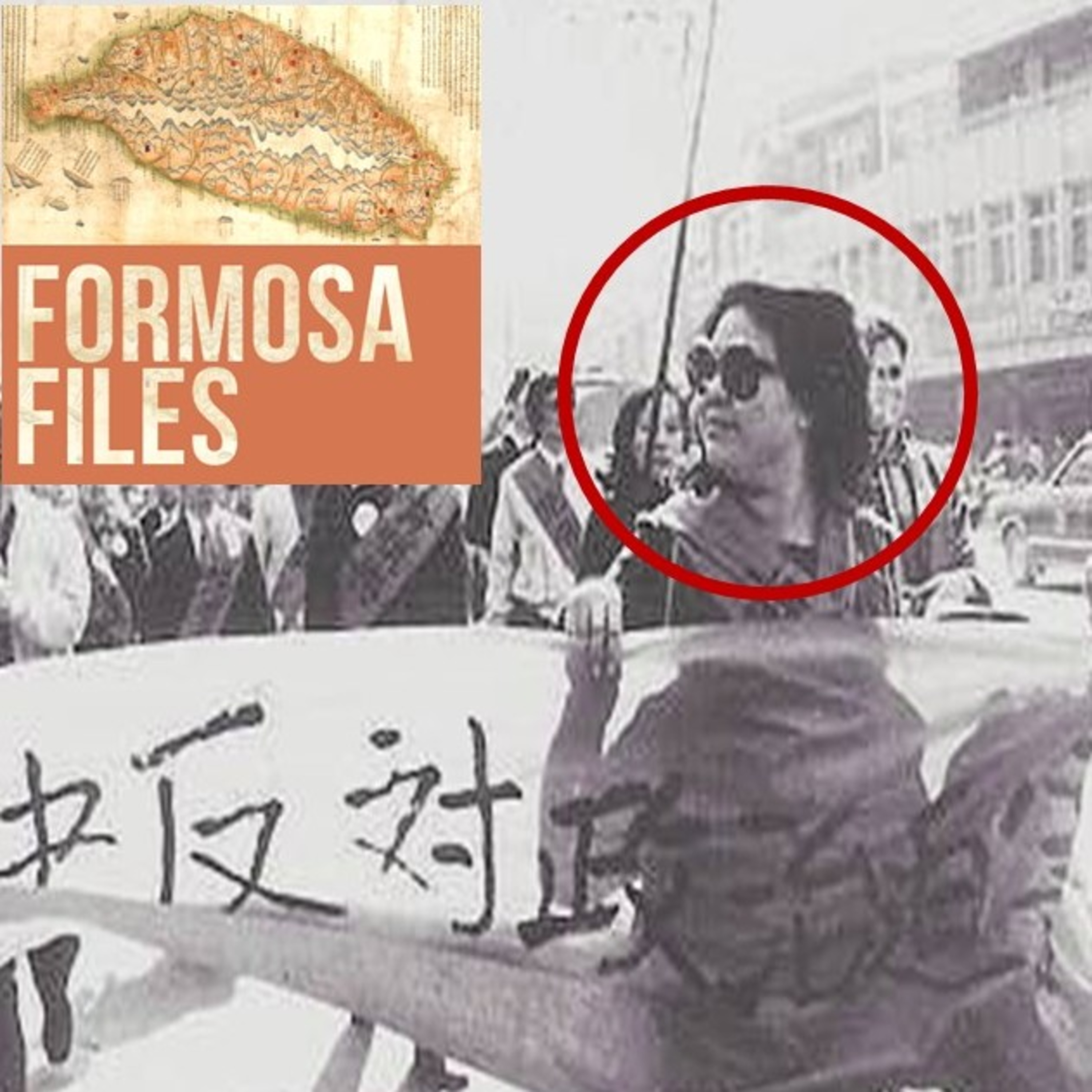
Long before becoming a three-time mayor of Kaohsiung, Chen Chu (陳菊) spent decades in Taiwan’s democracy movement. Born into a farming family in Yilan in 1950, Chen Chu moved to Taipei to attend university, and was soon drawn into the dangerous world of the dangwai opposition struggle against one-party KMT rule. After the Kaohsiung Incident of December 1979, Chen was sentenced to twelve years, and would spend more than six years behind bars – much of that time isolated with fellow prisoner and future vice president Annette Lu. Cover image shows Chen Chu marching in one of the first martial law-era political protests: The Jan. 1979 Ciaotao Incident
2
March 18, 2026
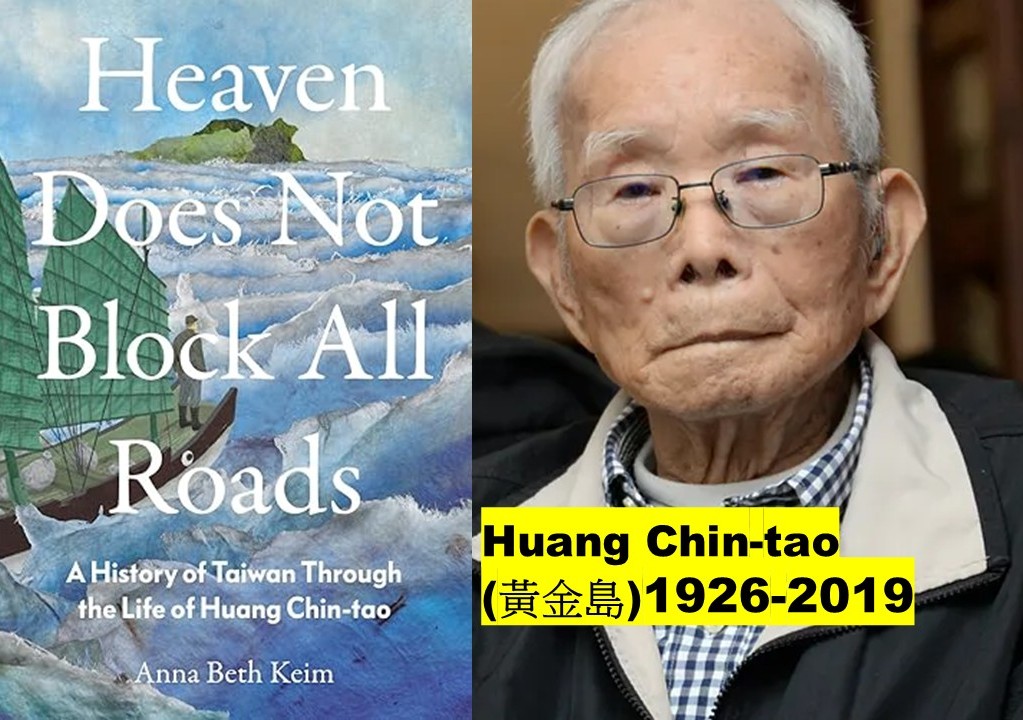
Huang Chin-tao: a History of Taiwan Through One Man’s Life (Part 1) – S6-E2
This is part one of the extraordinary life story of Huang Chin-tao (黃金島 Huáng Jīndǎo). In fact, he seemed to live not one life but many; he was a Japanese naval recruit, a combat soldier, a survivor of typhoons and pirates, an armed rebel during the 2-28 Incident of 1947, a man on the run, a prisoner, and a politician. His lifetime, 1926 to 2019, also gives us the background story of Taiwan’s turbulent 20th century. Although the turns and twists of history were often brutal for Huang, he was unbreakable, a man who refused to let fate decide his path. In the words of the title of Anna Beth Keim’s excellent biography: Heaven Does Not Block All Roads.
35
Nov. 5, 2025
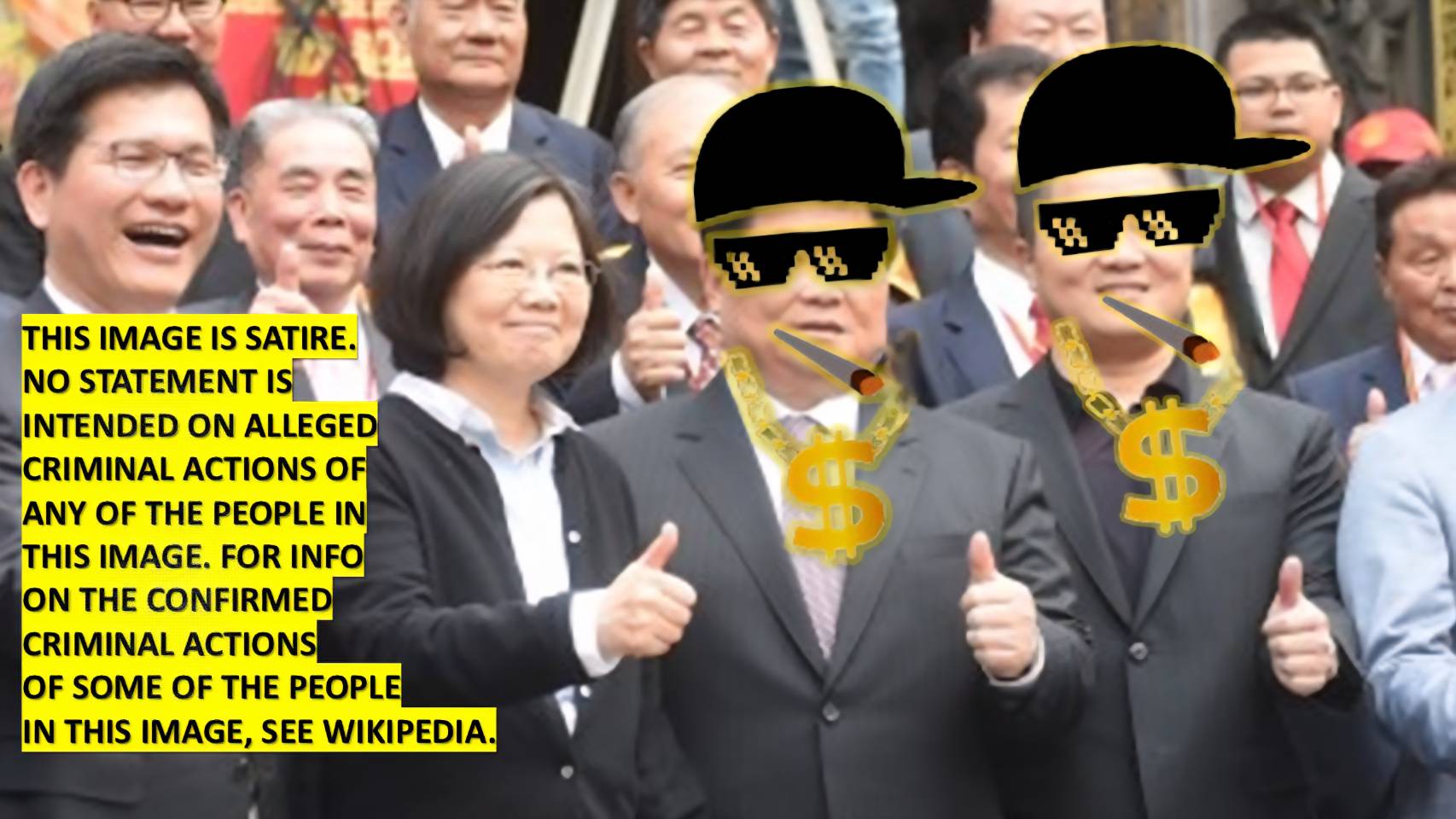
Altars and Outlaws: Ben Sando on Taiwan’s Underworld – Gangs, Temples, and Political Influence – S5-E35
We’ll let Benjamin Sando, research fellow at the Global Taiwan Institute, and our guest for this week’s episode, describe the topic: “From the early days of Han Taiwanese society, through the period of Kuomintang (KMT, 國民黨) martial law and on to the era of democratization, the influence of Taiwan’s gangs has evolved. The activity of some gangs (but not all) has spread beyond extracting profit from local territory – through extortion, prostitution, and gambling – to international transactions involving drugs, arms, and human trafficking. This has sown connections between certain Taiwanese gangs and foreign actors, such as Chinese triads and government officials engaging in united front work for the People’s Republic of China (PRC). As elections become more competitive in Taiwan, gangs have leveraged their control of prominent Taiwanese temples to influence politicians seeking support from religious communities. Such deep-rooted connections between gangs and local communities obstruc…

April 3, 2025
S5 - Mini Episode – Communist Parties in Taiwan (and a re-run on the gruesome tale behind Tomb Sweeping Festival 清明節)
Taiwan is enjoying a four-day break for Qing Ming Jie, usually called Tomb Sweeping Festival (or Day) in English. Formosa Files is taking a bit of a break as well, but Eryk thought you might be interested in a short history of communist parties in Taiwan, so he recorded a mini episode on that topic. After seeing red, stay with the episode for a re-release of the (or at least one of the) origin story of the Tomb Sweeping Festival - an edit from (Not So) "Happy Holidays - S2-E28."

3
March 2, 2025
S5-E3 - 228, White Terror, the Formosa Incident, and Nylon Deng: PART TWO
NOTE: This episode is not suitable for young children. The story of Nylon Deng is too often painted in terms of good/bad, black/white…but almost nothing is ever so binary. January 1989: Deng is summoned to answer charges of sedition/treason for publishing an idea for a constitution for the “Republic of Taiwan.” He vows not to be taken alive. However, unlike almost every article about him, Formosa Files isn’t going to stick to the script of “the police tried to break in and he self-immolated.” Instead, we try to offer some new perspectives on his fiery end. Was Deng a “martyr”? Were he and his followers’ actions actually non-violent? Taiwanese independence and democracy activist Nylon Deng (Cheng Nan-jung 鄭南榕) will forever have a place in the pantheon of Taiwanese democracy heroes. But heroes – of course – are human.

2
Feb. 28, 2025
S5-E2 - 228, White Terror, The Formosa Incident, and Nylon Deng: PART ONE
NOTE: This episode is not suitable for young children. In part one, we begin in Saigon in 1963 before returning to Taiwan in the days before the nation became a full democracy. The stories and asides lead to Nylon Deng (Cheng Nan-jung 鄭南榕), a hardcore Taiwanese pro-democracy and pro-independence activist, who was born a few months after the 228 Incident in 1947. In 1989, after a long stand-off with the police, he chose self-immolation over arrest.

38
Jan. 10, 2025
S4-E38 - Chen Shui-bian 陳水扁: From Prison to Taipei Mayor
After serving eight months behind bars for libel, Chen Shui-bian is released in February 1987, and enters the fray of a newly-liberalized political landscape. In 1986, the Democratic Progressive Party became Taiwan’s first real opposition party, and Chen’s wife is elected to Parliament. Mr. Chen bides his time, and then pounces – first becoming a lawmaker, beating Frank Hsieh to become DPP caucus chief, and then setting his sights on the nation’s capital city. In 1994, direct elections for Taipei mayor are held for the first time, and Chen overcomes Frank Hsieh again to become the DPP nominee. But Chen has a few issues: he isn’t a great speaker and he doesn’t like smiling. Will this plucky lad from a dirt-poor home in Tainan overcome the odds? Find out in this week’s exciting Formosa Files Taiwan history story.

20
Aug. 22, 2024
S4-E20 – Democracy Fighter and Taiwan History Professor Gerrit van der Wees
Did you know that all the water buffalo in Taiwan are the descendants of a group of these bovines from Indonesia (formerly the Dutch East Indies)? These poor water buffalo were put on a sailing ship by the Dutch in 1648 and sent to Taiwan! Who knew? Well, former Dutch diplomat and current George Mason University Taiwan history professor Gerrit van der Wees does… and that’s not all he knows. It was a genuine pleasure to chat with a person who's not only studied Taiwan extensively but who also played a big role in Taiwan’s fight to become a democracy. The day before former President Tsai Ing-wen stepped down, she honored van der Wees by conferring on him the Order of Brilliant Star with Grand Cordon, primarily for his work as chief editor of Taiwan Communiqué, a bi-monthly publication that chronicled Taiwan’s transition to democracy from 1980 to 2016.

16
July 18, 2024
S4-E16 - Political Assassination Attempts, 1928-1970
Japanese princes, Taiwanese activists, a Korean martyr, American generals and presidents, Chiang Kai-shek and his son Chiang Ching-kuo. It’s an action-packed episode with an amazing cast of characters. These little-known Taiwan-related assassination attempts and plots will surprise you. And, we hope, also please you that they failed. As Eryk passionately points put at the end of the episode, assassination, even of a "bad guy" target, can lead to a worse replacement and the unleashing of chaos. PLEASE "LIKE" or "SUBSCRIBE" or give us 5-Stars... it really makes a difference! Thanks!

9
May 2, 2024
S4-E9 – Chen Shui-bian 陳水扁: The Middle Years – From Law School to First Prison Term
When Chen Shui-bian 陳水扁 began his university studies in 1969, gifted student though he was, few could have imagined he would become Taiwan’s first non-KMT president. The young Chen had no political plans – he wanted to study business and make money for his impoverished family in rural Tainan. One day during his first semester, he heard a speech by an independent candidate who publicly criticized the autocratic rule of the KMT. Chen was fascinated. Listen to this week’s story to learn how Chen changed majors, and despite being called “boring” by a few young women he liked, eventually wed Wu Shu-chen 吳淑珍, the daughter of a wealthy Tainan doctor. Plus, Chen’s involvement in the Kaohsiung Incident of 1979, a turning point for the democracy movement and for Chen. And we end with Chen’s first stint in prison; not the more recent sentences for corruption, but in the mid-1980s for libel. PLEASE RATE/REVIEW THE SHOW!!

8
April 25, 2024
S4-E8 - The Formosan Association for Public Affairs (FAPA): talking to a member of a former “terrorist” pro-Taiwan-independence group
Not so long ago, talking about Taiwan independence could earn you a lengthy prison term. That changed in the late 1990s as Taiwan embraced democracy. Taiwan independence advocates in the United States have always enjoyed more freedom of speech, but pro-independence organizations that pulled stunts such as chaining themselves to the doors of the U.N. building or flying pro-Taiwan banners over Little League games did come under official scrutiny. One such group, the Formosan Association for Public Affairs (FAPA), was actually placed on a “terrorist” list. This week, Eryk chats with the President of the Pennsylvania Chapter of FAPA, Liam Keen, a man from the UK who holds ROC citizenship, and lives and works in both the US and Taiwan. Keen argues that actions by FAPA are producing meaningful changes in the recognition of Taiwan as a de facto sovereign state by the United States, noting that until FAPA fought and won, a Taiwan-born could person had to list their place of birth as “China” o…

6
March 28, 2024
S4-E6 – Taipei’s Architectural Trilogy Part Two: Witnessing History and Changing with the Times
In the previous episode, we told you how these three rather stunning neo-classical Chinese buildings came to exist. This week, we’re looking at them through a “culture and society” lens. The massive statue of Chiang Kai-shek remains on its pedestal at the CKS Memorial Hall. A place built to venerate a dictator, however, became the site of the Wild Lily protests demanding a democratic Taiwan in 1990, the year after tanks answered calls for freedom in a square in Beijing. We’ll look at what the National Theater and Concert Hall (NTCH) offers visitors, and finally, how do you bring a “traditional Chinese” theater and concert hall (both inspired by buildings in China’s medieval Forbidden City) into the 21st century?

1
Feb. 1, 2024
S4-E1 - The Lugang Rebellion (鹿港 1986)
In the left corner, mega-multinational corporation DuPont. In the right corner, farmers from central Taiwan’s Lugang 鹿港. Ready? Fight!! To open Season Four, we have a David vs. Goliath story, made more complicated by the fact that the Davids in this tale weren't sure what weapons they could get away with using. Taiwan was changing fast in 1986, but it was still under martial law, and protests were often dealt with harshly. DuPont, a huge American company, wanted to build a chemical plant in Lugang (usually spelled as “Lukang”). Taiwan's government said “sure!” The people of Lugang, however, weren’t so cool with it... and for the first time in modern Taiwanese history they launched a “rebellion” against a major corporation, and the ROC authorities.

Jan. 18, 2024
BONUS Episode: Linda Gail Arrigo's Verdict on Shih Ming-teh 施明德
Linda Arrigo has been in Taiwan for many years, working as a human rights activist, as an important member of the early team of fighters who risked life and limb for a democratic Taiwan, and more recently, worked with the Taiwan Green Party on environmental issues such as stopping NPP4. She's also taught in local universities as a professor. Her Ph.D. thesis (1996) was on land ownership inequality in pre-1949 China, a topic she started working on in 1975 during early graduate study -- but had to return to because her questionnaires on girl factory workers in Taiwan (field research 1975, 1977-79) were confiscated during a police raid on her home following the Kaohsiung Incident. She was married to the late Shih Ming-teh from 1978 to 1995. And while, like many, she has a great amount of respect for the former political prisoner-turned statesman, Linda notes that history will unfortunately remember the errors he made in his latter decades that sullied his once-glowing reputation.

41
Jan. 17, 2024
S3-E41 - Shih Ming-teh 施明德 – “Taiwan’s Mandela”
Shih Ming-teh 施明德 died on the morning of his 83rd birthday, January 15th, 2024. This Taiwan democracy champion spent a combined 25.5 years in Taiwanese prisons for “sedition;” what the one-party state called his activism. Shih would live to see Taiwan blossom into a free society, and received recognition for his role in the long, hard fight. But in the last decades of his life, Shih's reputation took a beating - leaving a stain on his legacy. Despite this, “Nori,” as he was called by friends and family, will always have a place in the pantheon of Taiwan democracy freedom fighters. Here’s his story:

37
Dec. 14, 2023
S3-E37 - Wu Li-pei (吳澧培): A Taiwanese-American Immigrant Story, Part Two
In the 1960s and 1970s, many tens of thousands of Taiwanese went into self-exile; most of them headed to the United States. The people who became Taiwanese-Americans did so for a variety of reasons, but it's probably fair to say most were seeking opportunities more readily available in a democratic, free society. Taiwan in the 1960s and '70s was a place where freedom of expression -- be it in art or politics -- was severely limited. One of these exiles was Wu Li-pei (吳澧培), a Taiwan independence campaigner. Here's part two of his story. And make sure to read Wu's memoir if you're interested in Taiwan politics. The book contains plenty of "sensitive" details and other behind-the-scenes insights.

36
Dec. 7, 2023
S3-E36 - Wu Li-pei (吳澧培): A Taiwanese-American Immigrant Story, Part One
A generation of Taiwanese left (or you might say “fled”) Taiwan in the 1960s and 70s, with most going to the United States. Some went to school there and stayed, while others emigrated as they saw no future for themselves and their families in the then one-party ROC state. This Taiwanese diaspora was a boon for America; intelligent, hard-working, educated people, many of whom went on to contribute greatly to the American economy and US culture. However, some of these exiles dreamed of a day when their political views could be spoken aloud in Taiwan without fear, and when that day finally came in the late 1990s, some returned and some then also participated in local politics. Wu Li-pei, a pro-independence, pro-democracy activist, was one such man. Wu's life (1934-) spans modern Taiwanese history and his story of being from “two countries” is one many others experienced – US immigrants for whom Taiwan always remained home.
![[ENCORE] Henry Kissinger (and president Nixon) Go to China, and Everything Changes for the Republic of China (Taiwan)](https://s3.us-west-1.amazonaws.com/redwood-labs/showpage/uploads/images/494d234e-2214-46a6-907c-6e55c0caf6e4.jpg "[ENCORE] Henry Kissinger (and president Nixon) Go to China, and Everything Changes for the Republic of China (Taiwan)")
Nov. 30, 2023
[ENCORE] Henry Kissinger (and president Nixon) Go to China, and Everything Changes for the Republic of China (Taiwan)
Henry Alfred Kissinger died on November 29, 2023 at the age of 100. This incredibly controversial figure was a massive player in US politics and policies during the last four decades of the 20th century. Among the most consequential choices Kissinger facilitated was the switch in diplomatic recognition by the United States from Taipei (the ROC) to Beijing (the PRC), a decision later followed by most of the world's nations. To mark his passing, we're rereleasing our "Nixon Goes to China" episode from earlier this year, with a special intro.

32
Nov. 2, 2023
S3-E32 - Hakka Author Wu Zhuoliu (吳濁流), Part 2 - Japan’s Surrender and 2/28
Writer Wu Zhuoliu 吳濁流 (1900-1976), sadly, never saw Taiwan blossom into a democracy. But he left us with some of the most important works ever written about 20th-century Taiwan. Among these is the autobiography “The Fig Tree”, whose early chapters mirror the events in his acclaimed novel “Orphan of Asia.” In S2-E29, we covered Wu’s younger years as in Japanese colonial Taiwan, his grandfather’s tales of a cultured, ancient China and the influence these ideas had on Wu. We told the story of Wu’s time in “the Motherland,” where he discovered that the China of his imagination was simply that – imaginary. Today, we pick up his story as WW2 comes to an end and the Chinese Nationalists arrive. Wu describes how Taiwanese jubilation soon turned to despair, and how this exploded into riots and killings known collectively as the 2/28 Incident. Please rate us on Apple Podcasts or any other platform -It really helps!

26
Sept. 7, 2023
S3-E26 - Taiwan as part of the Philippines? Or a British or German colony? “What Ifs” of Formosan History -- With Michael Turton
Taiwanese history would have been very different except for a few pivotal moments. “Sure,” you might be thinking, “that's true everywhere.” However, the “what ifs” Michael Turton and Eryk Michael Smith talk about today are especially fascinating because of Taiwan’s strategic location. The Spanish and Dutch had short-lived settlements here in the 17th century, but either could easily have lasted for centuries. Later would-be colonizers included the UK (they considered using the east coast as a penal colony à la Australia), the US, and Germany. Turton lays out an interesting list of “what ifs” to support his argument that Taiwan being in the sphere of “Chinese” influence is an anomaly of history -- and was never inevitable. Check out formosafiles.com for links to articles by Michael Turton, pics, images, and more.