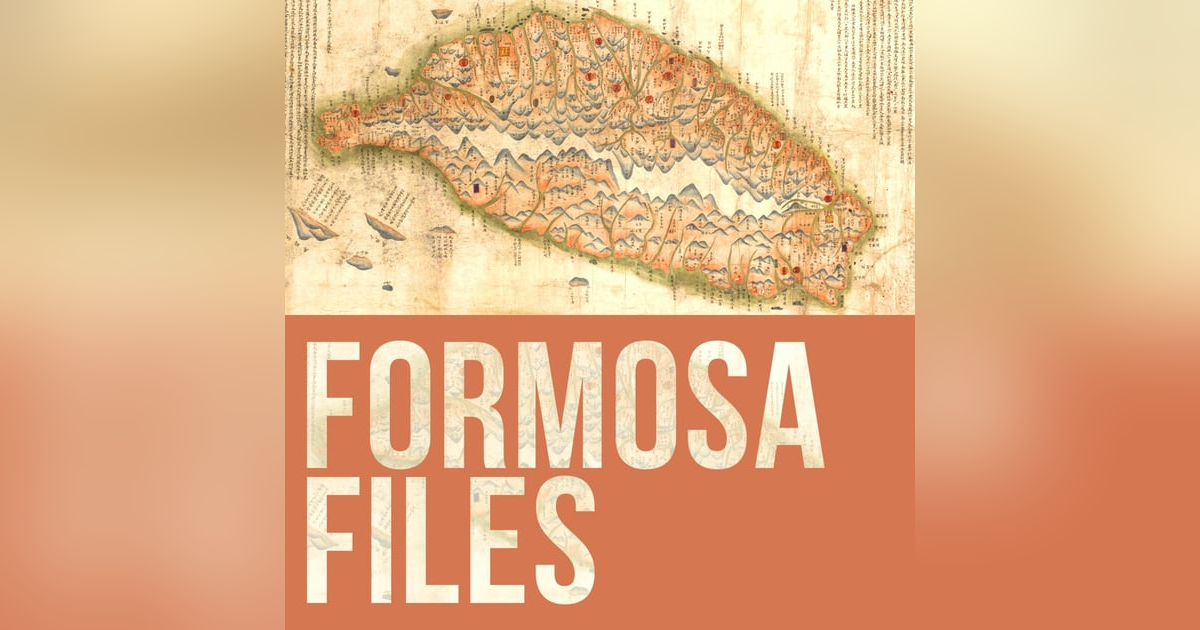
Opium Paste and Stamped Silver: Early Japanese Rule in Taiwan – S5-E41
When Japan took control of Taiwan in 1895, it inherited a financial mess: a chaotic mix of chopped silver, copper cash, and foreign coins. The new colony also cost far more to subdue and administer than it brought in. Yet during that demanding first decade, able administrators such as Gotō Shinpei turned things around, bringing monetary order and eventual profitability. The United States took notice. In its own new colony, the Philippines, American officials followed Taiwan’s monetary reforms and even came to study its opium monopoly, a system designed to reduce addiction while also funding the colonial government (opium was initially the single largest source of revenue). Eryk and John, channeling their inner opium fiend and colonial ruler, demonstrate how this system worked on the ground.


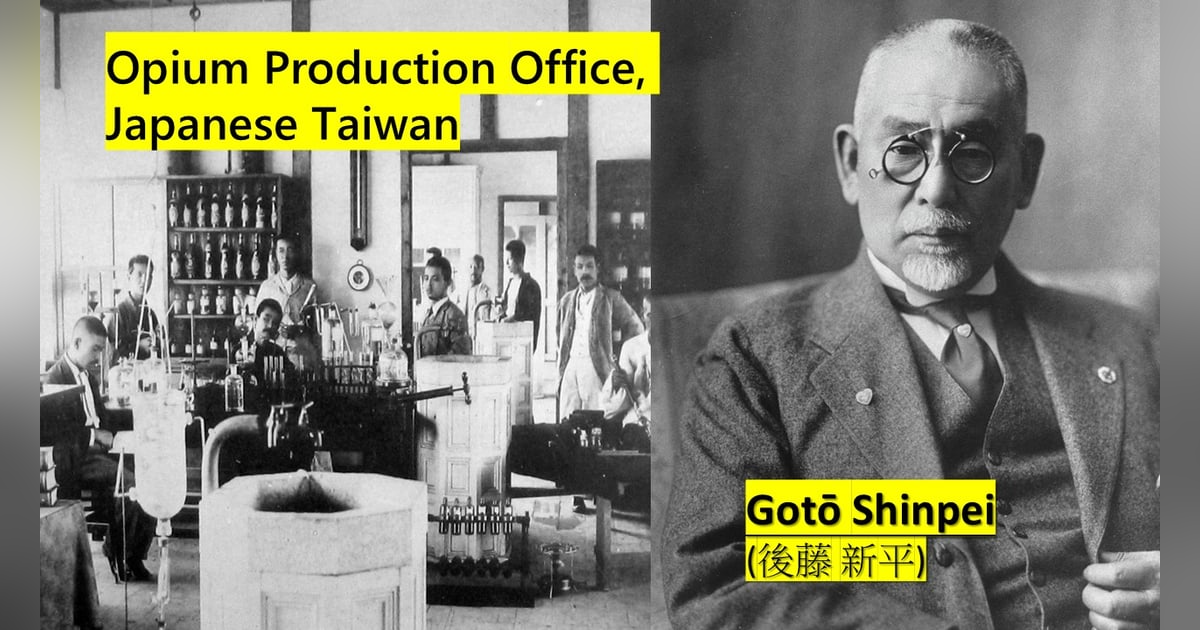
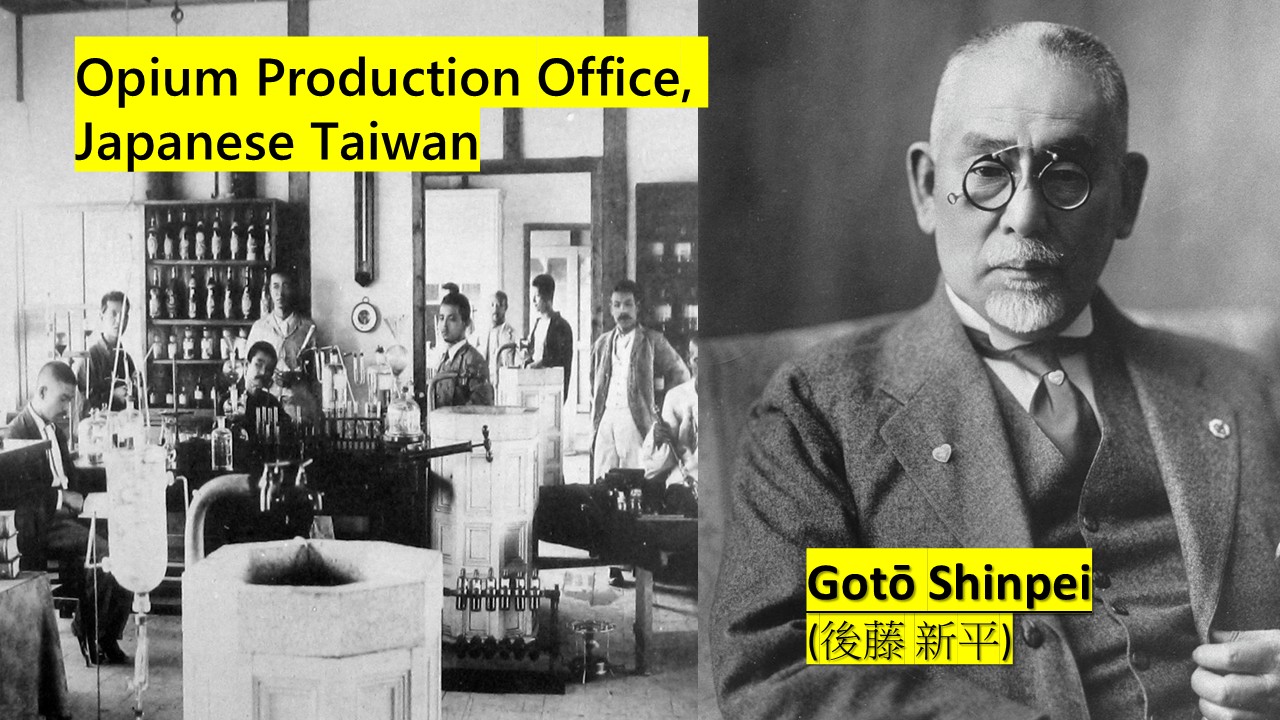
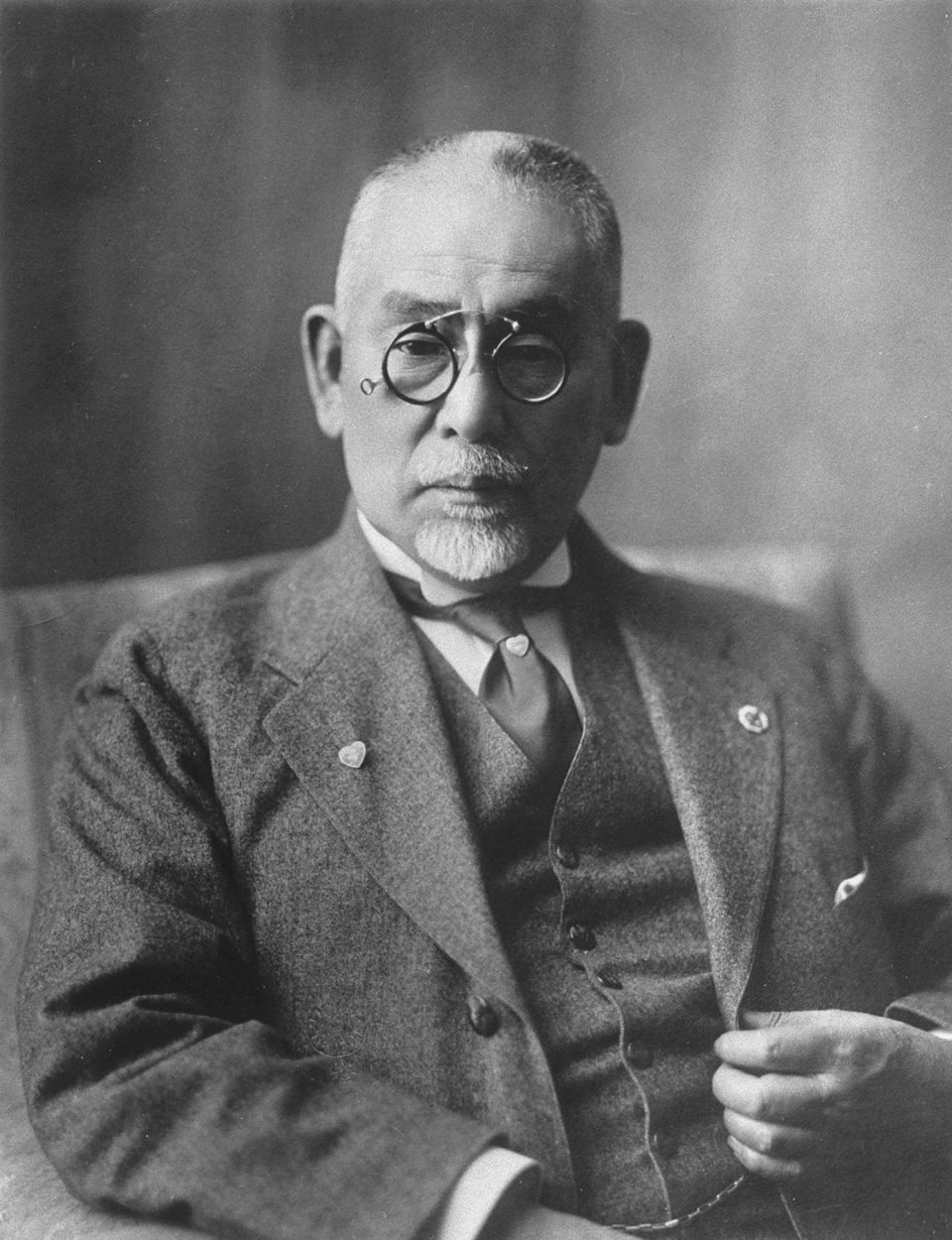
Cover left: "The examination of paste in the laboratory of the Opium Production Office. On the right-hand side is a local opium expert examiner. Source: Opium Production Office of the Taiwan Government-General, Taiwan sōtokufu seiyaku sho jigyō dai-ni nenpō (the second annual report of the Opium Production Office of the Taiwan Government-General), (Tokyo, 1899), Courtesy of National Taiwan Library." Right, via Wiki: Count Gotō Shinpei (後藤 新平, July 24, 1857 – April 13, 1929) was a Japanese politician and government official during the Meiji era and Taisho era.
The song Eryk was trying to sing was, of course, Money, by Pink Floyd. Dear record company/Roger Waters: Formosa Files doesn't have any, so please do not sue us. Listen to 2023 remaster HERE.
Below: Portrait of Goto Shinpei (後藤新平, 1857–1929), from wiki commons, unknown date and photographer
Physician and politician Gotō Shimpei, together with General Kodama Gentarō, was a driving force in modernizing Taiwan – its health system, infrastructure, and economy.
https://commons.wikimedia.org/wiki/File:Shimpei_Got%C5%8D.jpg
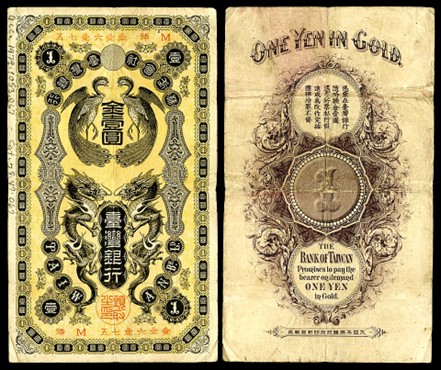
Below: One gold Yen issued in 1904 by the Bank of Taiwan. Gold Yen were only issued from 1904-1906 in 1, 5, and 10 Yen denominations.
Source: Godot13 / Smithsonian Institution, Public domain, via Wikimedia Commons
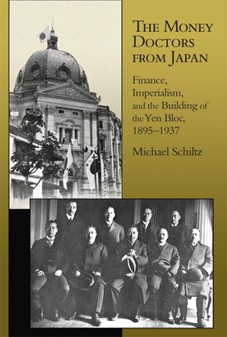
For this episode, one of our main sources was The Money Doctors from Japan: Finance, Imperialism, and the Building of the Yen Bloc, 1895–1937 by Michael Schiltz (published by Harvard University Asia Center in 2012).
Please leave a comment or review.
Do us a favor and rate/review the show! It really helps. Do it on Apple Podcasts or here on our website.
Write us with questions or ideas at formosafiles@gmail.com
AND THE BIGGEST REQUEST: tell others about this free, not-for-profit resource about Taiwan.