
Political History Episodes
Delve into Taiwan’s political evolution from colonial rule to democracy, examining key events and figures that have influenced its governance and international relations.
19
July 22, 2026
Chen Chu, Part 1: The Prisoner Who Would Lead Kaohsiung – S6-E19
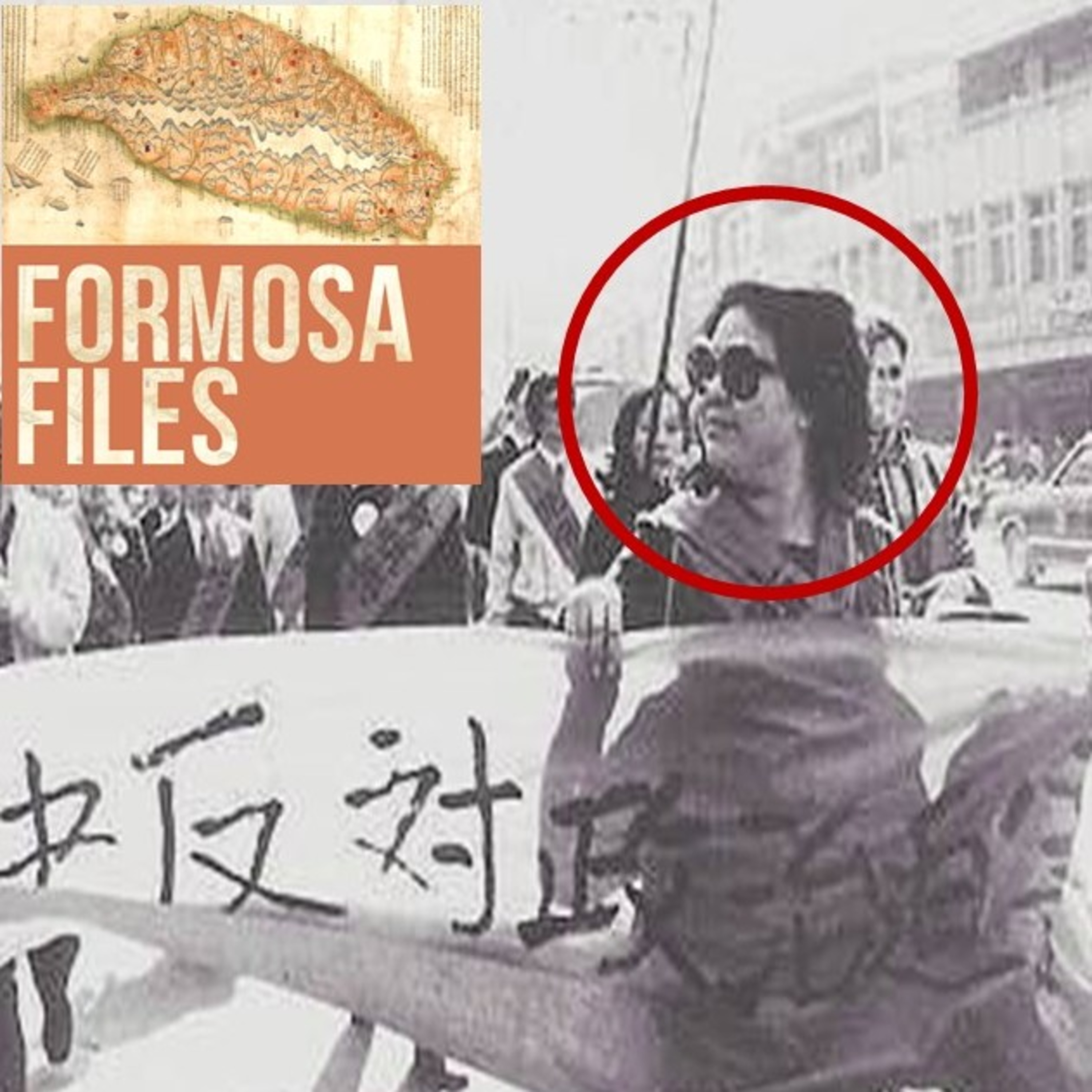
Long before becoming a three-time mayor of Kaohsiung, Chen Chu (陳菊) spent decades in Taiwan’s democracy movement. Born into a farming family in Yilan in 1950, Chen Chu moved to Taipei to attend university, and was soon drawn into the dangerous world of the dangwai opposition struggle against one-party KMT rule. After the Kaohsiung Incident of December 1979, Chen was sentenced to twelve years, and would spend more than six years behind bars – much of that time isolated with fellow prisoner and future vice president Annette Lu. Cover image shows Chen Chu marching in one of the first martial law-era political protests: The Jan. 1979 Ciaotao Incident
18
July 15, 2026
The Princess and the Policeman – S6-E18
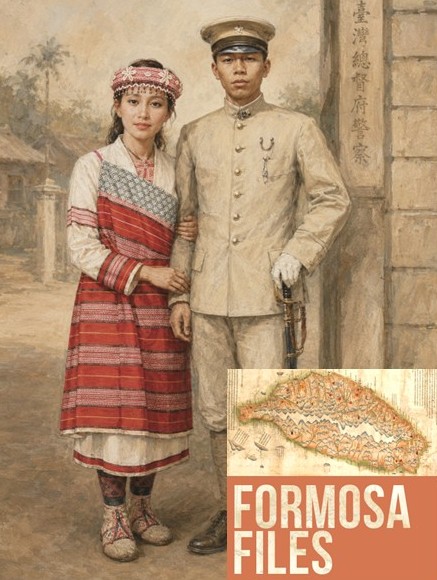
In 1911, Baike Daole, the daughter of a powerful Atayal chief in the mountains of central Taiwan, was pressured to marry the Japanese policeman Shimoyama Jihei. Their “strategic marriage” was intended to help Japan control Indigenous communities, but it produced a family caught between cultures and governments. We follow their story – and the extraordinary life of their son, Shimoyama Hajime – from Japan’s violent campaign to control Taiwan’s Indigenous peoples and the bloody 1930 Wushe Incident to the 228 uprising of 1947, when Hajime was arrested and tortured, and the uncertain first years of Chinese Nationalist rule.
11
May 20, 2026
The Tanaka Memorial: A Secret Blueprint for World Conquest – S6-E11
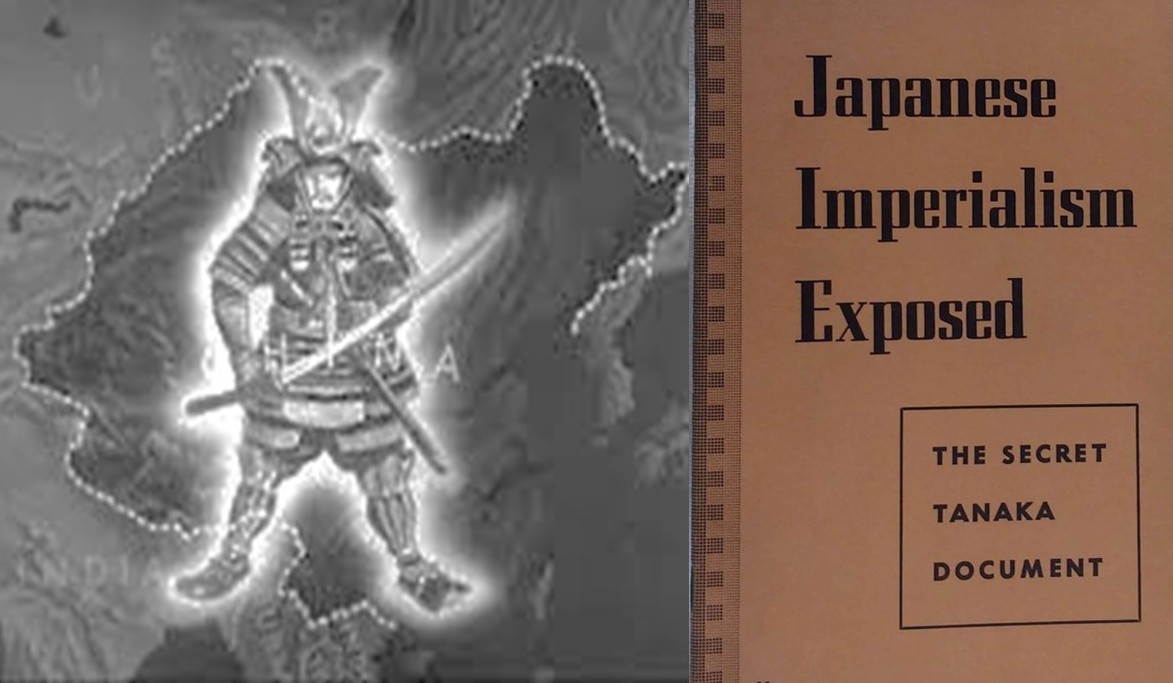
In the 1930s, a mysterious document known as the Tanaka Memorial shocked the world. Supposedly written by Japanese Prime Minister Baron Tanaka, it outlined a strategy for conquering Manchuria, China, Southeast Asia, and even the United States. As real-life events seemed to unfold according to the alleged plan, the document became one of the most influential pieces of anti-Japanese propaganda of the twentieth century. It was quoted by American films, politicians, and many others. In this episode, we tell the story of Taiwanese businessman Tsai Chih-kan (蔡智堪), who later claimed to have personally copied the secret plans from inside the Japanese Imperial Palace. Although most historians today believe the Tanaka Memorial was a forgery, it remains an unsolved mystery. And the story of how it shaped global politics and wartime propaganda is, we think, more fascinating than the contents of the document.
7
April 22, 2026
Ping-Pong with Mao in Taiwan: The Chairman (1969) – S6-E7
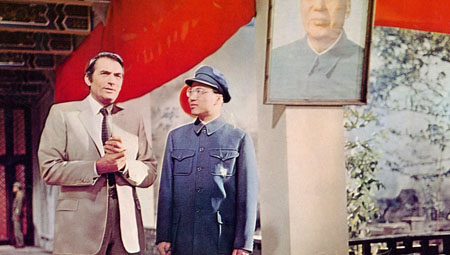
We step into the strange Cold War world of The Chairman, a forgotten 1969 spy thriller starring Hollywood great Gregory Peck. The movie, which was partly filmed in Taiwan, is about a scientist sent behind the Bamboo Curtain to steal a miracle agricultural formula. The plot is outlandish, but behind the absurdity lies an interesting snapshot of global fears in the late 1960s, from overpopulation and famine to superpower rivalry. We follow the film production here in Taiwan (a stand-in for off-limits communist China). This takes us to locations such as Taipei’s spectacular mountainside Zhinan Temple, where Peck plays ping-pong with Mao Zedong. Yes, The Chairman was a flop – deservedly so, we think – but the film certainly makes for a fun podcast episode. Watch movie for free on YT; link below.
4
April 2, 2026
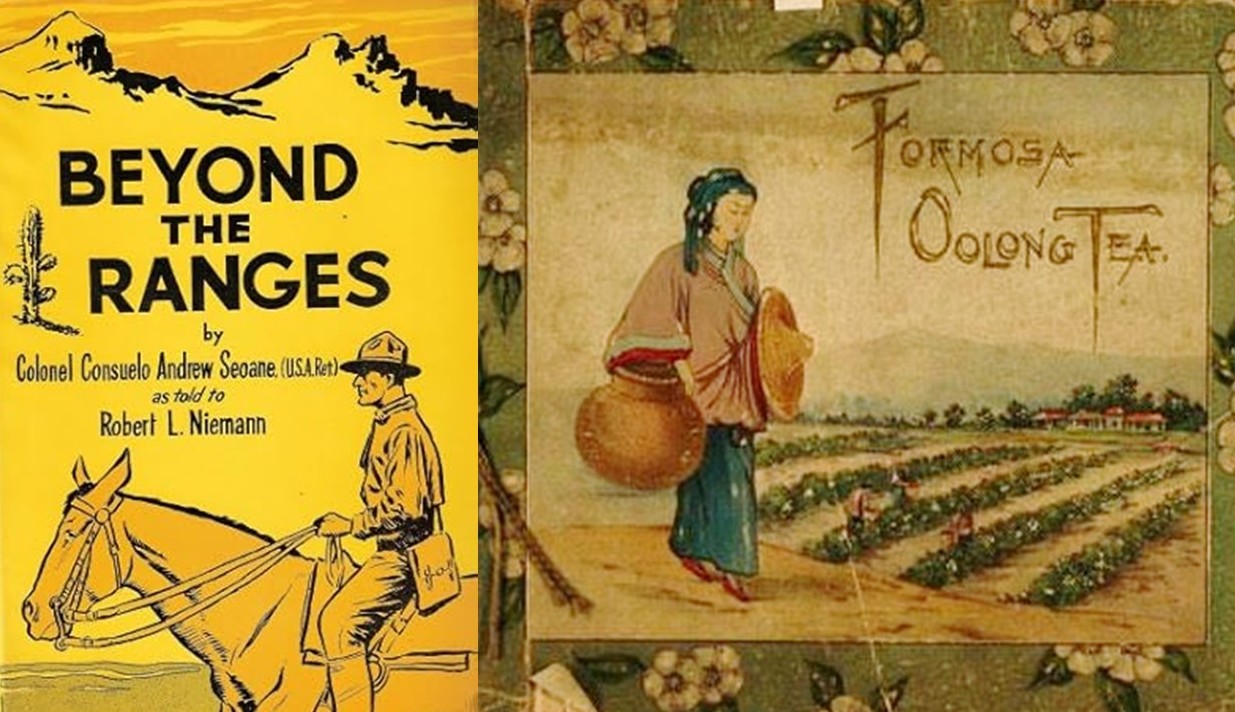
Taiwanese Tea in America, American Spies in Formosa – S6-E4
In 1904, colonial Taiwan tried to impress America with oolong tea at the St. Louis World’s Fair. Just five years later, two American spies disguised as South African zoologists were secretly roaming Japanese Formosa – but they weren’t investigating tea. They were on a U.S. Army mission to gather military intelligence. In this episode, John and Eryk explore tea, empire, espionage, and the strange relationship between Taiwan and the United States in the early 1900s.
2
March 18, 2026
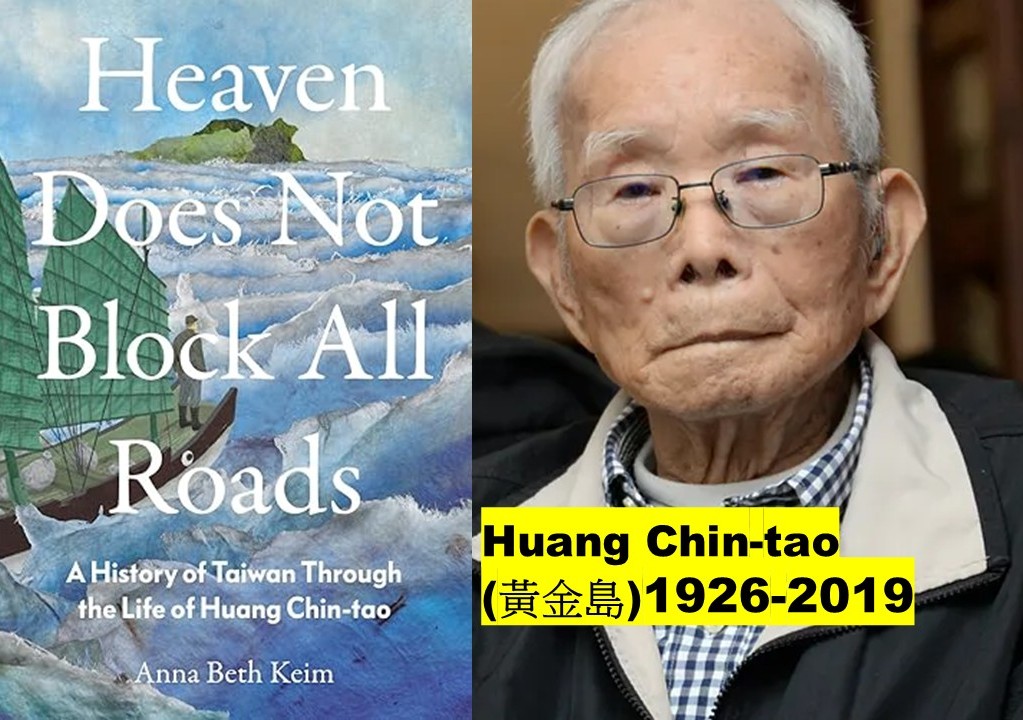
Huang Chin-tao: a History of Taiwan Through One Man’s Life (Part 1) – S6-E2
This is part one of the extraordinary life story of Huang Chin-tao (黃金島 Huáng Jīndǎo). In fact, he seemed to live not one life but many; he was a Japanese naval recruit, a combat soldier, a survivor of typhoons and pirates, an armed rebel during the 2-28 Incident of 1947, a man on the run, a prisoner, and a politician. His lifetime, 1926 to 2019, also gives us the background story of Taiwan’s turbulent 20th century. Although the turns and twists of history were often brutal for Huang, he was unbreakable, a man who refused to let fate decide his path. In the words of the title of Anna Beth Keim’s excellent biography: Heaven Does Not Block All Roads.
52
Feb. 27, 2026
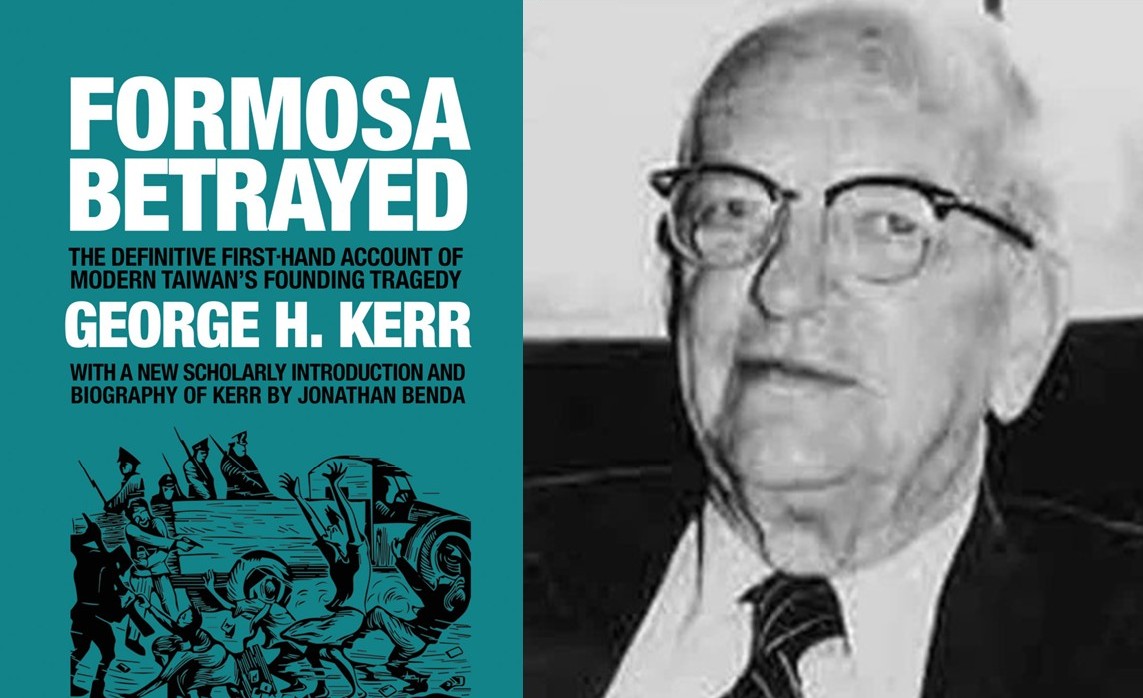
George Kerr and Formosa Betrayed (with Prof. Jonathan Benda) – S5-E52
American George H. Kerr was the most important Western eyewitness and chronicler of the February 28 Incident of 1947, the violent uprising and brutal crackdown that shaped Taiwan’s modern politics and identity. Kerr first lived in Taiwan in the late 1930s, when the island was a colony of Japan. During the war, he worked for the U.S. Navy as a Taiwan expert, and then from 1945 to 1947 served as the U.S. vice consul in Taipei. His account of Chinese Nationalist (KMT) misrule, Formosa Betrayed (1965), is arguably the most influential English-language book ever written about Taiwan. John chats with Kerr scholar Jonathan Benda about the book and the man behind it. Why did it take Kerr so long to publish his account? What does the “betrayed” in the title refer to? How did the book inspire Taiwanese democracy and independence activists? Drawing on new evidence, Benda explains it all and gives us a full picture of this complex man.
51
Feb. 25, 2026
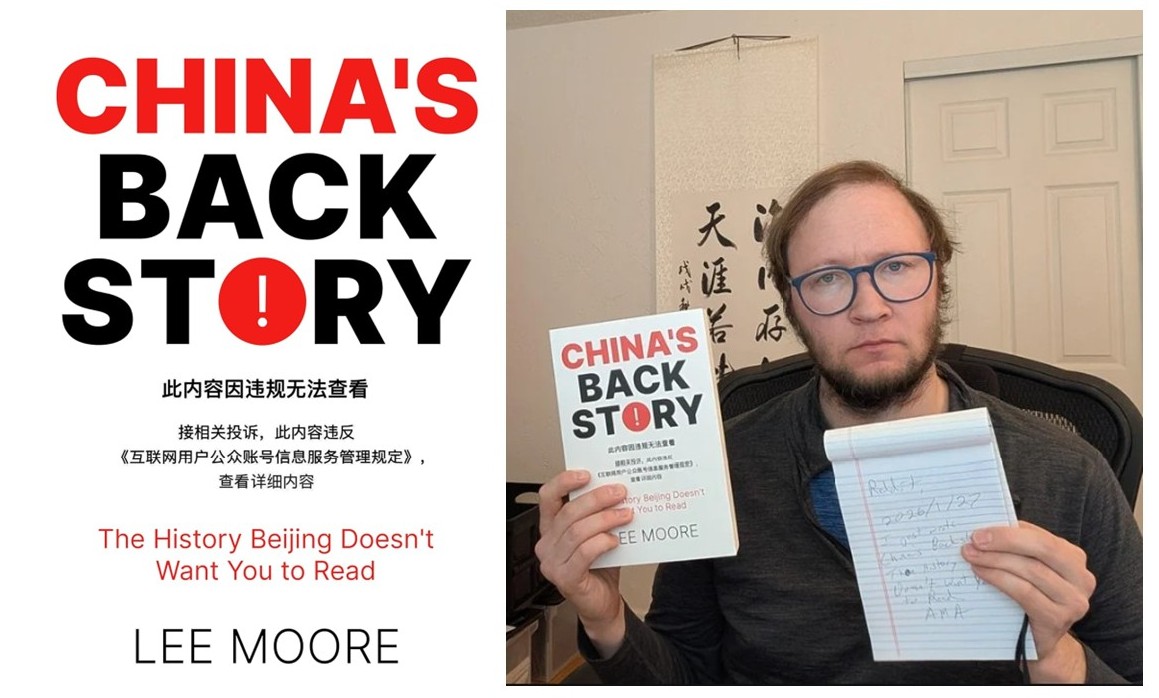
"China’s Backstory: The History Beijing Doesn’t Want You to Read" by Scholar and Podcaster Lee Moore – S5-E51
John talks to Lee Moore about his 2025 book China’s Backstory: The History Beijing Doesn’t Want You to Read, which focuses on four important China-related stories that often make headlines: Taiwan, Xinjiang, the Chinese economy, and Hong Kong. In this conversation, Lee and John focus on Taiwan before 1800. Who were the earliest Chinese arrivals in Taiwan? Which ruler’s fondness for older women would impact the island’s future? And were there Indigenous cowboys (as in horses and lassos)? Lee takes an unusual "pop-scholarship" approach to history in this book. For example, he uses colloquial translations of Chinese texts and names (meet Mr. Success Zheng), and employs...um..."colorful language." His controversial style will likely generate a mix of head-shaking and nodding approval, but almost everyone will learn something new from this episode and enjoy a few laughs.
45
Jan. 21, 2026
The CIA Plan to Remove CKS (Part 2): S5-E45
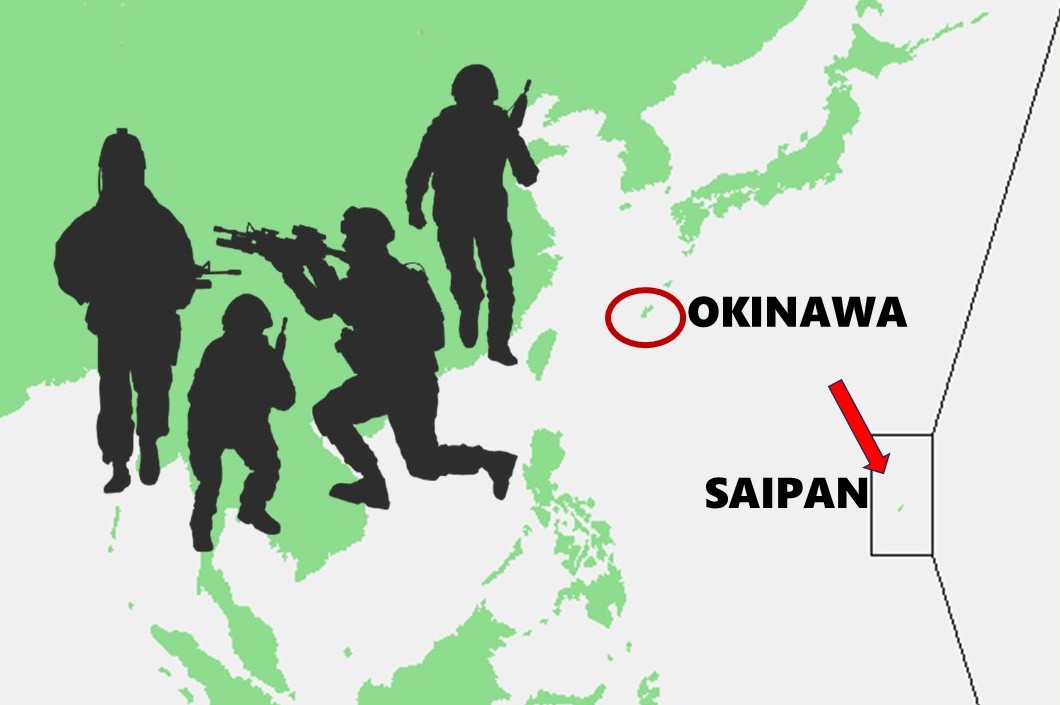
The Cold War is heating up as the CIA continues to build a “Third Force” – a democratic alternative to both Mao’s Communists and Chiang Kai-shek’s Nationalists. A secret army is being trained on the islands of Okinawa and Saipan. But when these Chinese special forces are dropped inside the PRC to gather information and organize anti-communist guerrillas, there is a grim reckoning. Most perished. Built on a house of cards of faulty intelligence, this ambitious covert project would quickly and quietly collapse. It is, however, a riveting story and one with valuable, evergreen lessons. Please take a second and rate or review, it really helps.
44
Jan. 14, 2026
The CIA Plan to Remove President Chiang Kai-shek (Part 1): S5-E44
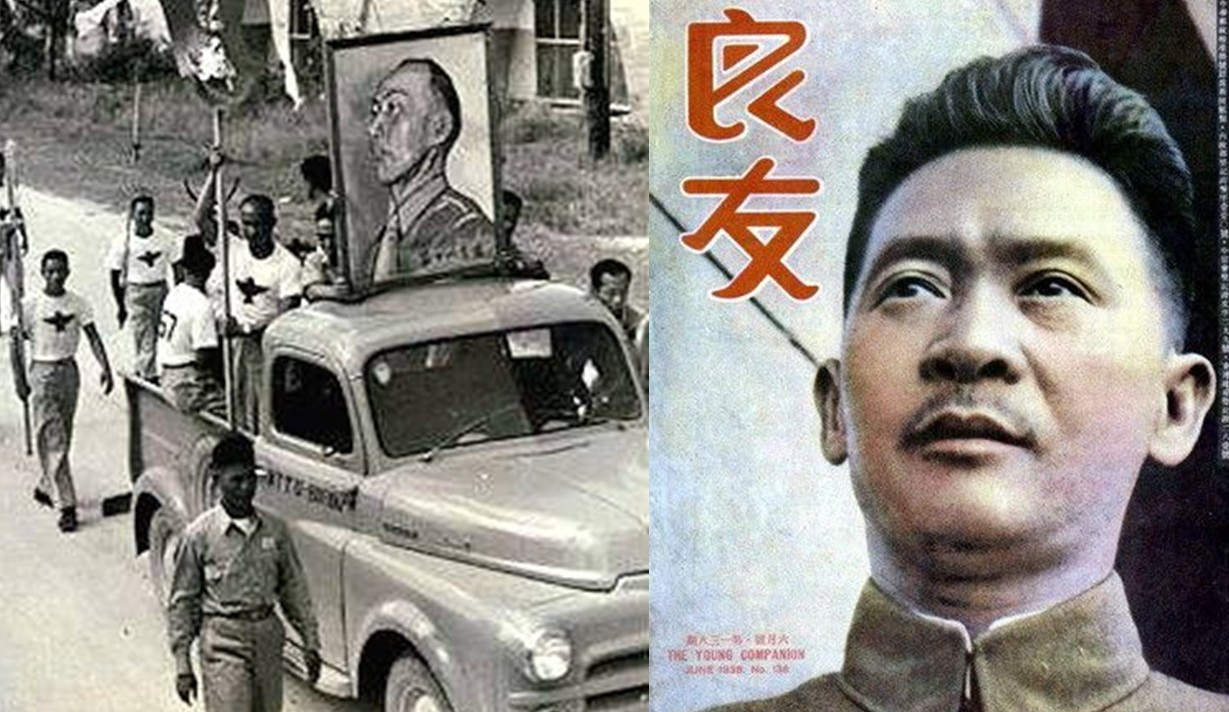
Standard histories tell us that after fleeing to Taiwan, Chiang Kai-shek became America’s staunch Cold War ally – an immovable figure with an iron grip on Fortress Formosa. But behind the scenes, parts of the U.S. government were quietly exploring ways to push him aside. Today we uncover a little-known CIA effort to build a “Third Force” – a democratic alternative to both Mao’s Communists and Chiang’s Nationalists. From whispered WWII assassination plots to secret Cold War schemes involving breakaway Chinese generals and hidden training camps, it’s such a riveting story that we’ll need two episodes to tell it properly. Please rate or review on Apple or Spotify, it helps others find the program.
41
Dec. 17, 2025
Opium Paste and Stamped Silver: Early Japanese Rule in Taiwan – S5-E41
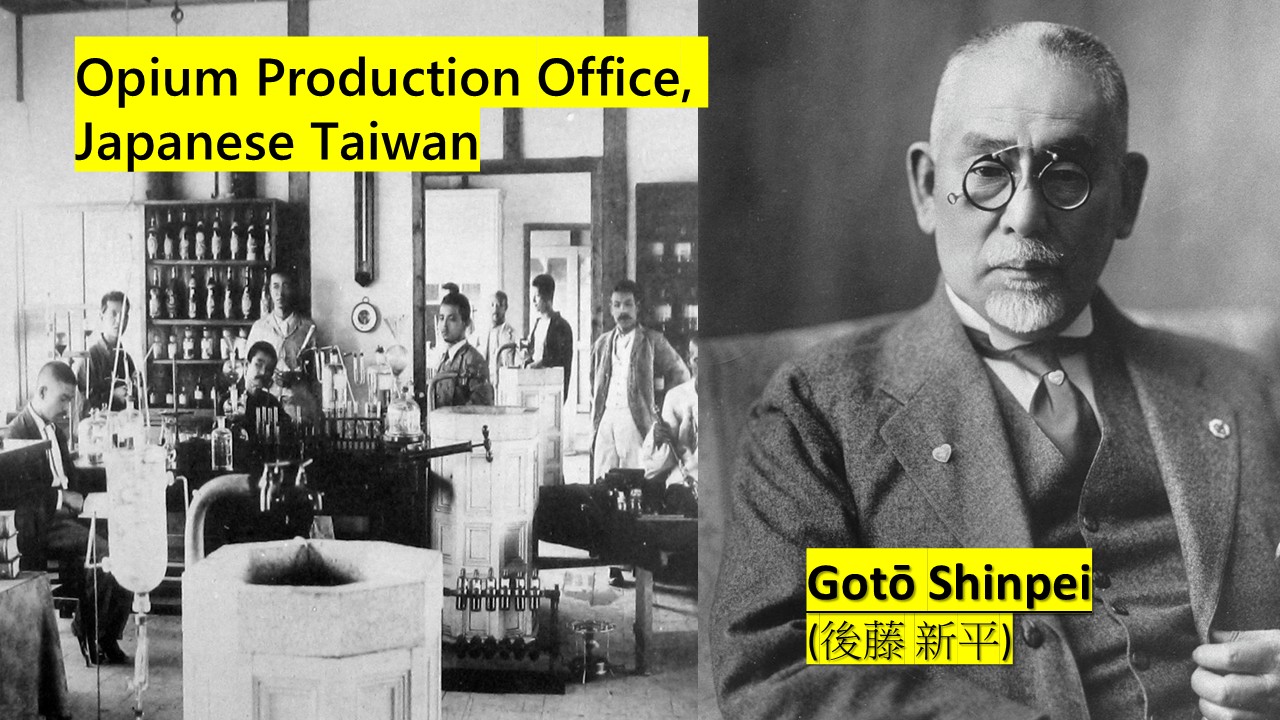
When Japan took control of Taiwan in 1895, it inherited a financial mess: a chaotic mix of chopped silver, copper cash, and foreign coins. The new colony also cost far more to subdue and administer than it brought in. Yet during that demanding first decade, able administrators such as Gotō Shinpei turned things around, bringing monetary order and eventual profitability. The United States took notice. In its own new colony, the Philippines, American officials followed Taiwan’s monetary reforms and even came to study its opium monopoly, a system designed to reduce addiction while also funding the colonial government (opium was initially the single largest source of revenue). Eryk and John, channeling their inner opium fiend and colonial ruler, demonstrate how this system worked on the ground.
39
Dec. 8, 2025
Shulinkou Air Station – Part 3: Taiwan and the Gulf of Tonkin – S5-E39
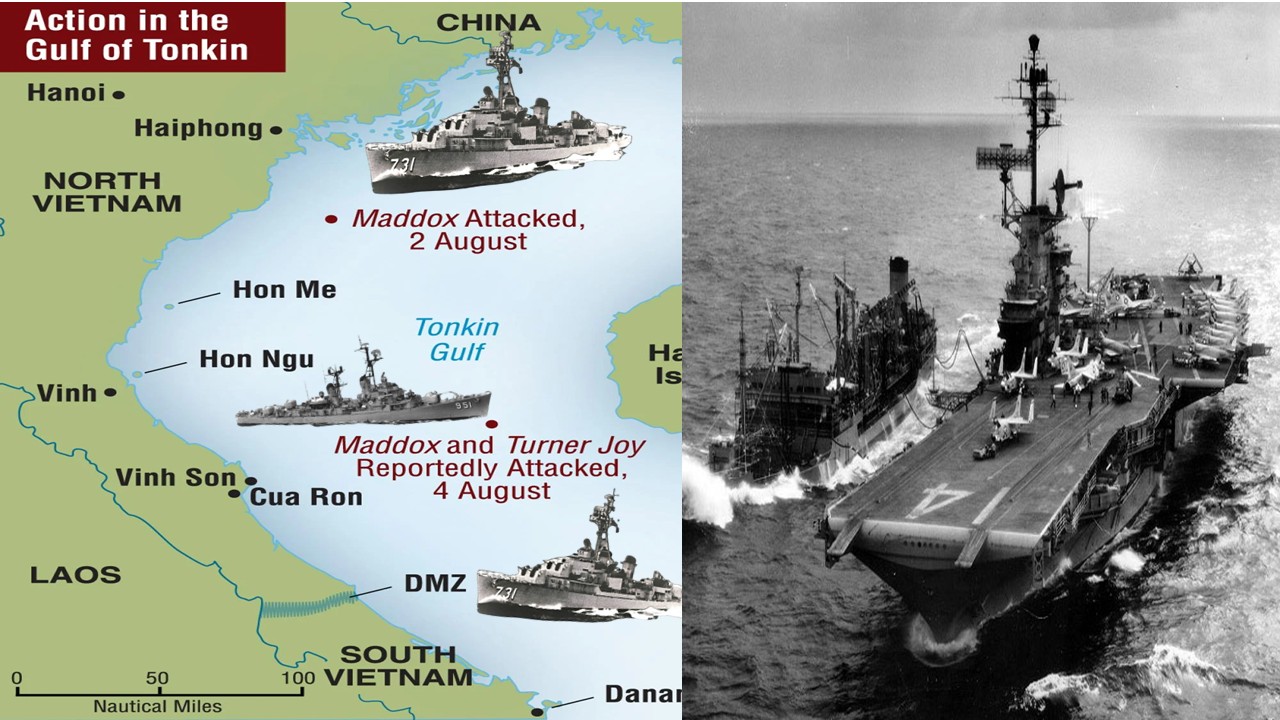
We end our Shulinkou trilogy by tying together the surprisingly interconnected Taiwan–U.S.–Vietnam story. It’s July 1964, and two U.S. Navy destroyers are in Taiwan preparing for an intelligence-gathering mission off the coast of North Vietnam. Shulinkou Air Station provided intel, specialized equipment, and trained personnel for the USS Maddox and USS Turner Joy – ships about to play starring roles in the controversial incident that helped draw the United States fully into the Vietnam War. Amid this geopolitical drama, we follow the story of a young Navy intelligence specialist, Joe Miller. A forbidden romance costs him his posting at Shulinkou. But his reassignment to the aircraft carrier USS Ticonderoga will give him a front-row seat to the Tonkin crisis, and change the course of his life.
38
Dec. 3, 2025
Shulinkou Air Station – Part 2 – S5-E38
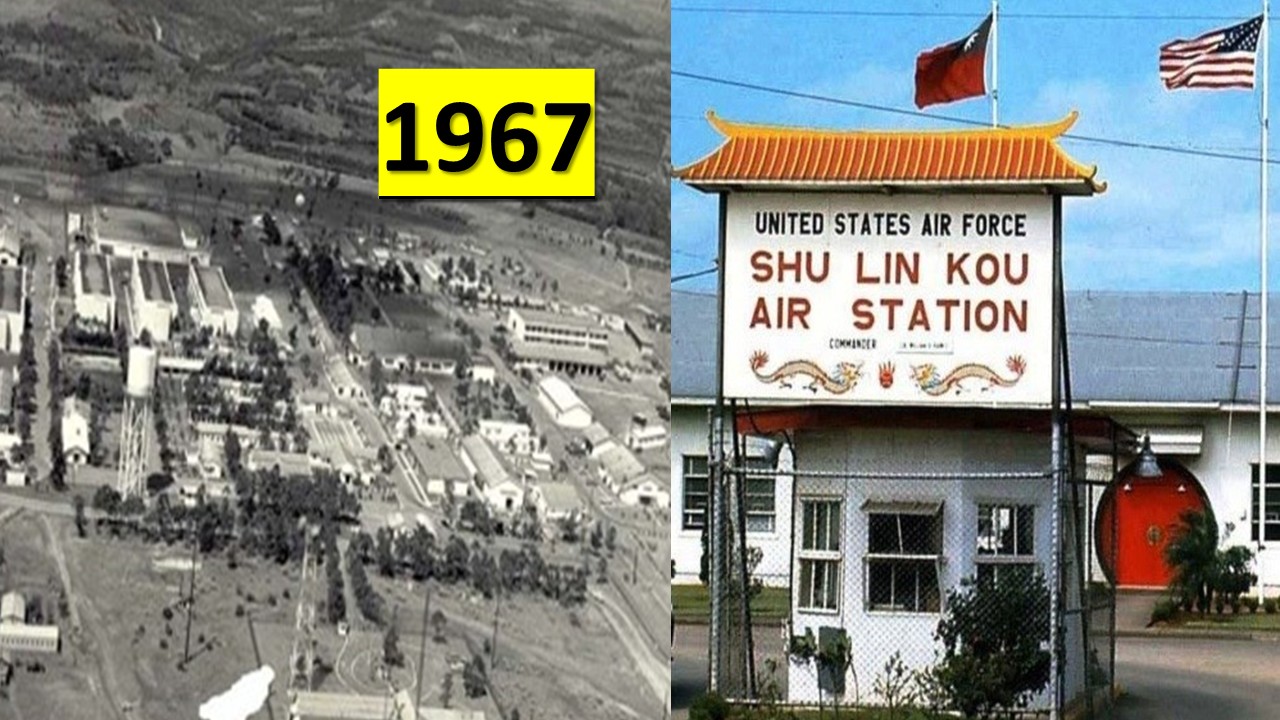
We continue the story of the Shulinkou Air Station and the American military in the early 1960s. We tackle Taiwan’s infamous gravel-truck killers (urban legend or fact?), get slapped by Typhoon Gloria, and have our duck-hunting excursion interrupted by the Generalissimo’s latest China invasion plans. And we follow the trail of controversial crimes and court verdicts which led to the ROC and U.S. finally signing a Status of Forces Agreement. On a lighter note, we also take time out for some catered Mongolian barbecue.
37
Nov. 26, 2025
Shulinkou Air Station – Part 1 of 3 (early 1960s) – S5-E37
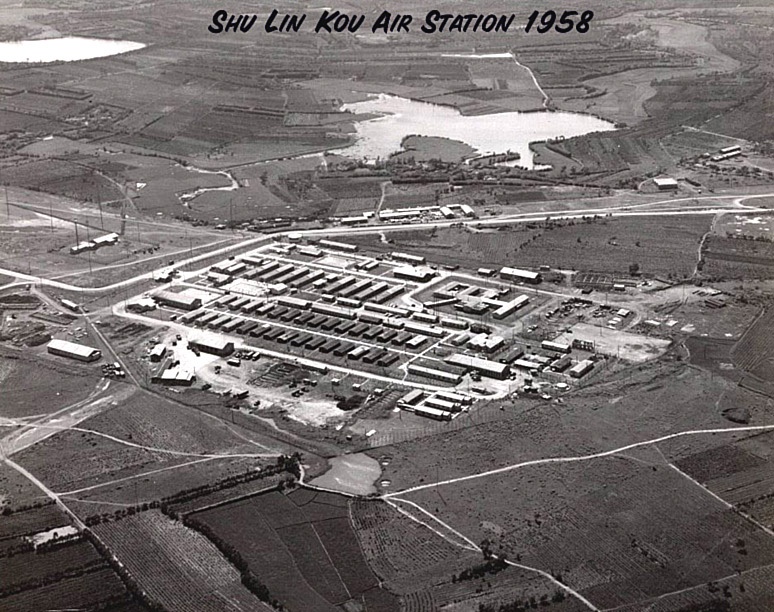
It was one of Taiwan’s most secretive Cold War outposts: Shulinkou Air Station (樹林口空軍情報站), a joint-service U.S. intelligence base perched on a misty plateau west of Taipei. Built in 1955, it was a hub for the interception, decryption, and analysis of enemy radio and electronic communications. In Part 1 of this three-part series, we focus on the early 1960s and the everyday world of the young servicemen and officers stationed there. Join them as they resist the character-destroying temptations of Taipei’s back alleys, face vengeful thieves, ride the rails in a stolen locomotive (probably a tall tale but you be the judge), and encounter ghostly road vehicles. This is Part 1. Parts 2 and 3 will take us deeper -- into the looming Vietnam War. For this episode, we relied heavily on the excellent Shulinkou Air Station Taiwan website, which is run by men who served there between 1955 and 1977.
35
Nov. 5, 2025
Altars and Outlaws: Ben Sando on Taiwan’s Underworld – Gangs, Temples, and Political Influence – S5-E35
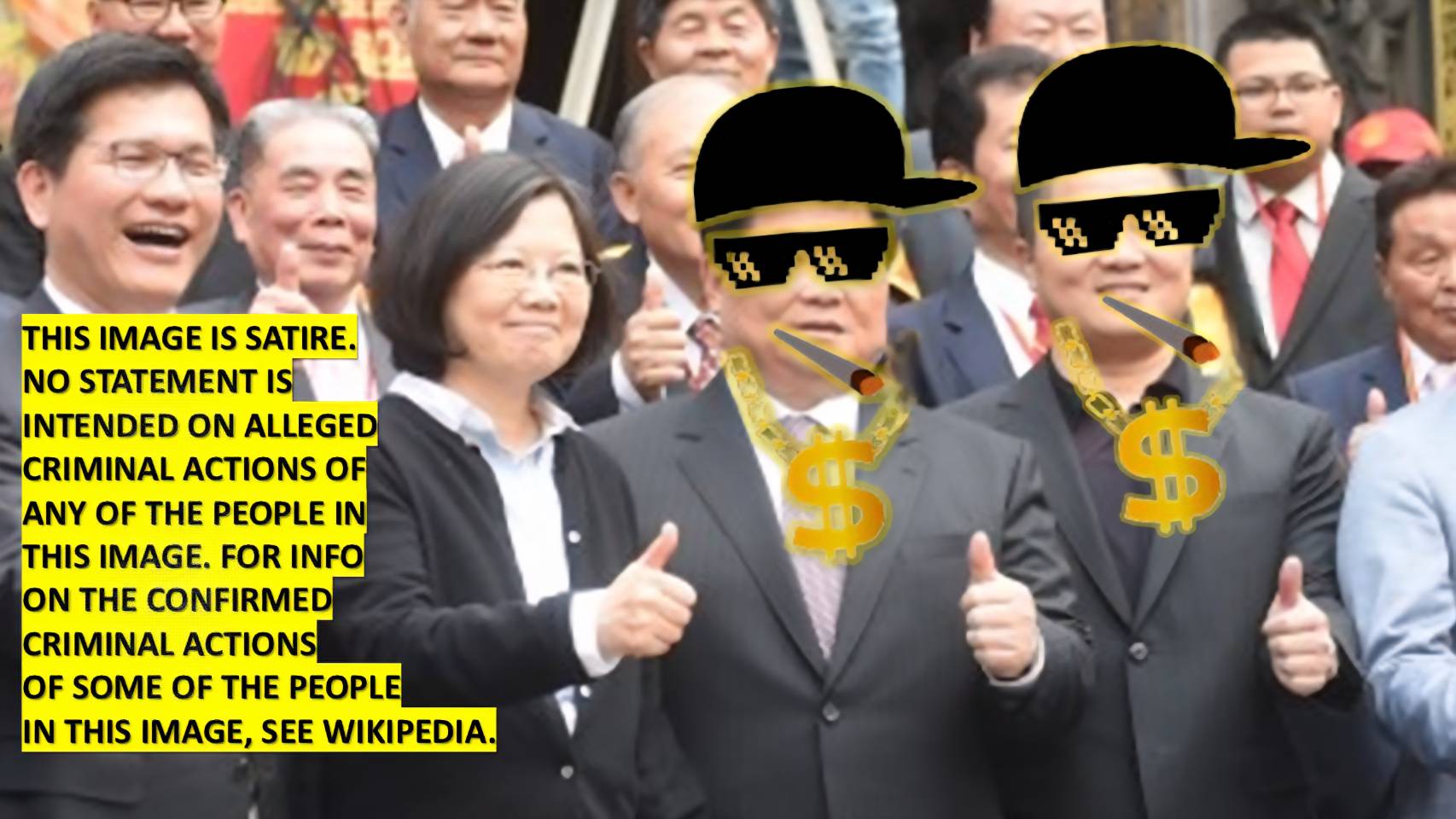
We’ll let Benjamin Sando, research fellow at the Global Taiwan Institute, and our guest for this week’s episode, describe the topic: “From the early days of Han Taiwanese society, through the period of Kuomintang (KMT, 國民黨) martial law and on to the era of democratization, the influence of Taiwan’s gangs has evolved. The activity of some gangs (but not all) has spread beyond extracting profit from local territory – through extortion, prostitution, and gambling – to international transactions involving drugs, arms, and human trafficking. This has sown connections between certain Taiwanese gangs and foreign actors, such as Chinese triads and government officials engaging in united front work for the People’s Republic of China (PRC). As elections become more competitive in Taiwan, gangs have leveraged their control of prominent Taiwanese temples to influence politicians seeking support from religious communities. Such deep-rooted connections between gangs and local communities obstruc…
32
Oct. 15, 2025
From Ashes to Innovation: Japan, Taiwan, and the Spirit of the Osaka Expo of 1970 – S5-E32
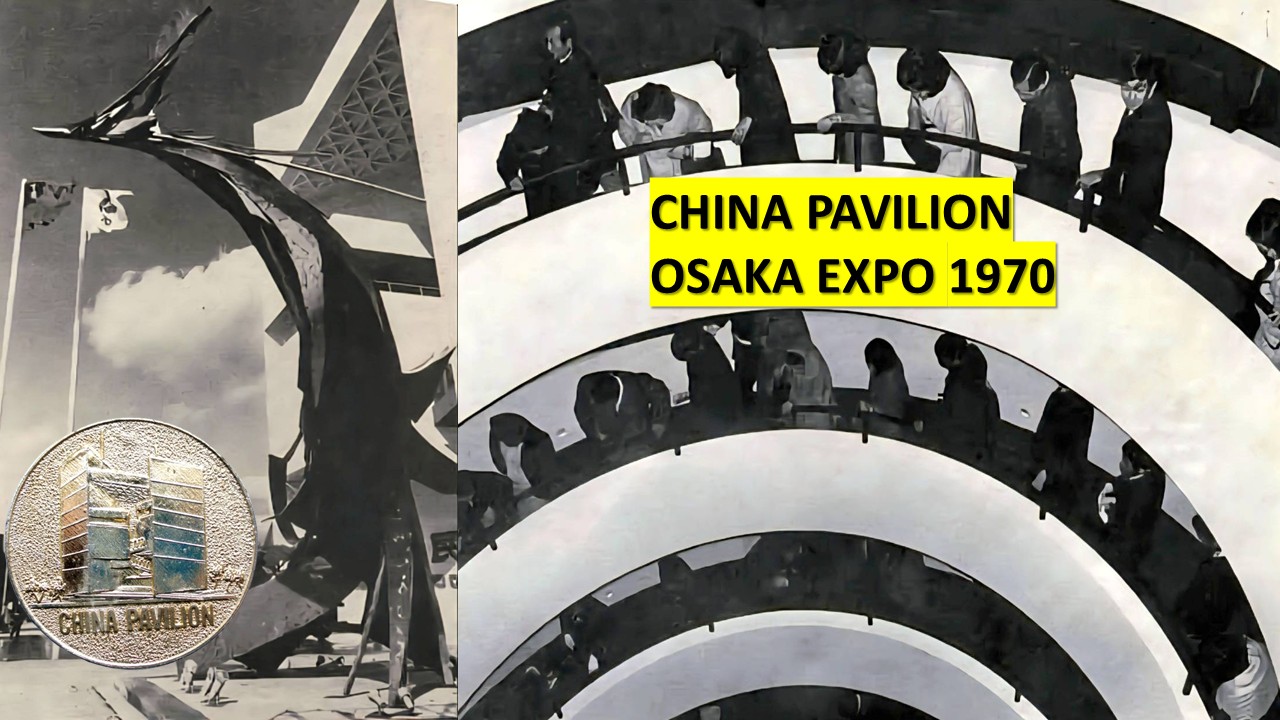
In 1968, just 23 years after the end of WWII, Japan became the world’s second-largest economy (and would remain so until 2011, when it was overtaken by China). In 1970, Japan highlighted its rise from the ashes by holding the Osaka Expo, a showcase of technology, culture, and confidence — from a monorail to moving walkways to videophones. It was the first World’s Fair held in Japan, and also in Asia. For the Republic of China (Taiwan), however, it would turn out to be something of a swan song on the international stage; in 1971, Taiwan lost its seat at the United Nations, and in the following years numerous countries switched diplomatic recognition to the PRC. But join Formosa Files as we visit Osaka in those happy days of 1970, when the future looked bright; astronauts had just landed on the Moon, Japan’s miracle was in full swing, and the world gathered to imagine tomorrow. Take a tour around the ROC’s futuristic pavilion, designed by I.M. Pei, which was a break from the classic Chi…
30
Oct. 2, 2025
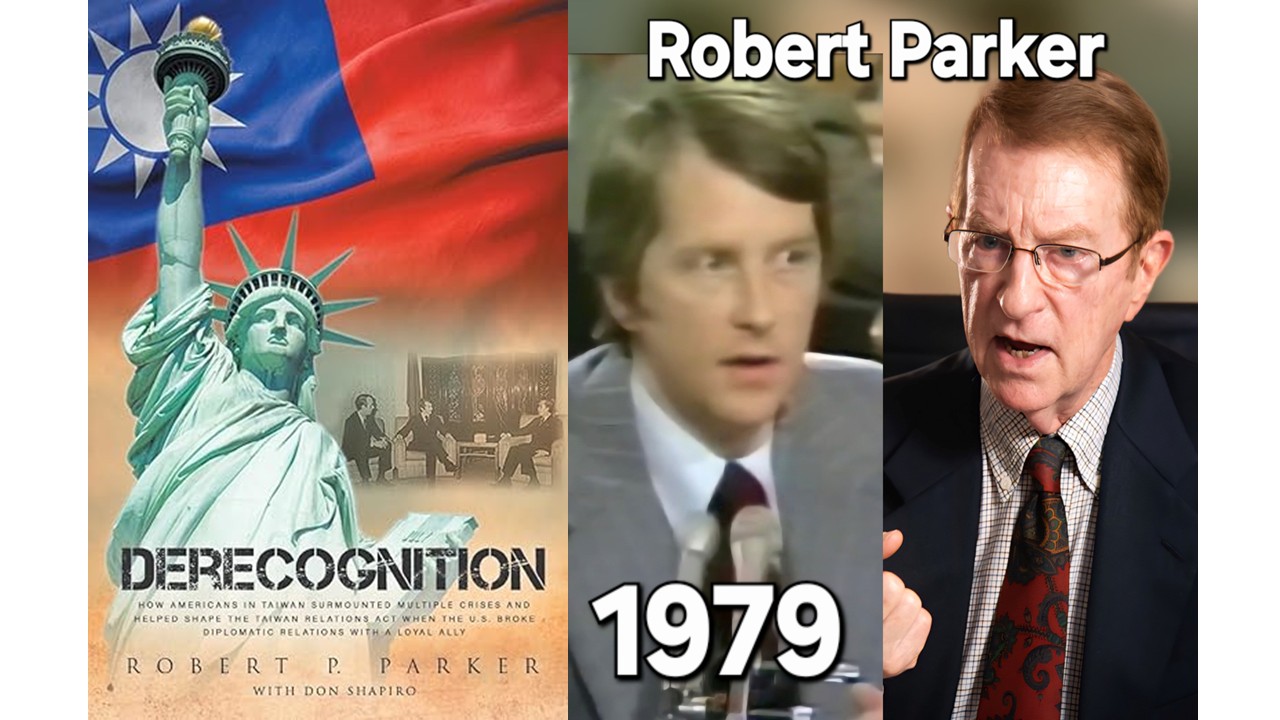
The U.S. Breaks Relations with a Loyal Ally for the First Time in History: Former AmCham Taipei President Robert Parker Tells the Story of “Derecognition” – S5-E30
Everyone knew it was coming, but when U.S. President Carter announced on Dec. 15, 1978 that Washington D.C. was switching diplomatic recognition from Taipei to Beijing in two weeks, both the Taiwanese people and the foreign community (then mostly Americans) were shocked. On that historic day of Jan. 1, 1979, Robert Parker began his term as the President of the American Chamber of Commerce. He soon found himself forced to act as a kind of de facto U.S. ambassador. Part of the bombshell announcement was the deadline for decoupling: everything and everyone officially connected to the United States would vanish by April 1979. For Parker, this resulted in near-surreal experiences that included helping cobble together a civilian radio station in 90 days (ICRT FM100.7), walking a political tightrope to determine the legality of the Taipei American School, and testifying before the U.S. Congress as American officials reacted to Carter’s recognition of the PRC by passing the Taiwan Relat…
![The San Cha Mountain 三叉山 Incident of 1945 – Taiwan Marks 80 Years Since Double Tragedy [S5 Reedited Encore]](https://s3.us-west-1.amazonaws.com/redwood-labs/showpage/uploads/images/50ecc7e4-b65c-418f-97c1-0c84bc8606aa.jpg "The San Cha Mountain 三叉山 Incident of 1945 – Taiwan Marks 80 Years Since Double Tragedy [S5 Reedited Encore]")
Sept. 17, 2025
The San Cha Mountain 三叉山 Incident of 1945 – Taiwan Marks 80 Years Since Double Tragedy [S5 Reedited Encore]
Imagine you’re an Allied soldier in the Pacific during WWII. You’re captured by the Japanese, survive brutal conditions as a POW, and the dangerous voyage in a “hell ship” to Japan, where you endure more years of captivity. Finally, in August 1945, the war ends. You’re freed, ready to go home. But there will be no happy ending. Some transport planes and ships never make their destination, including a B-24 carrying 20 former POWs, which crashes into a 3,496-meter peak in Taiwan’s southern Central Mountain Range during a typhoon. Compounding the sadness, 26 members of a team made up of Japanese, Taiwanese, and Indigenous people die in a rescue/retrieval attempt. This once little-known story was featured in Season Two of Formosa Files. In 2025, however – the 80th anniversary – many news organizations featured stories marking the event. Taiwan President Lai offered a moving tribute in a Facebook post, which in part read, “Eighty years ago, a group of people, without regard to nation…
27
Sept. 4, 2025
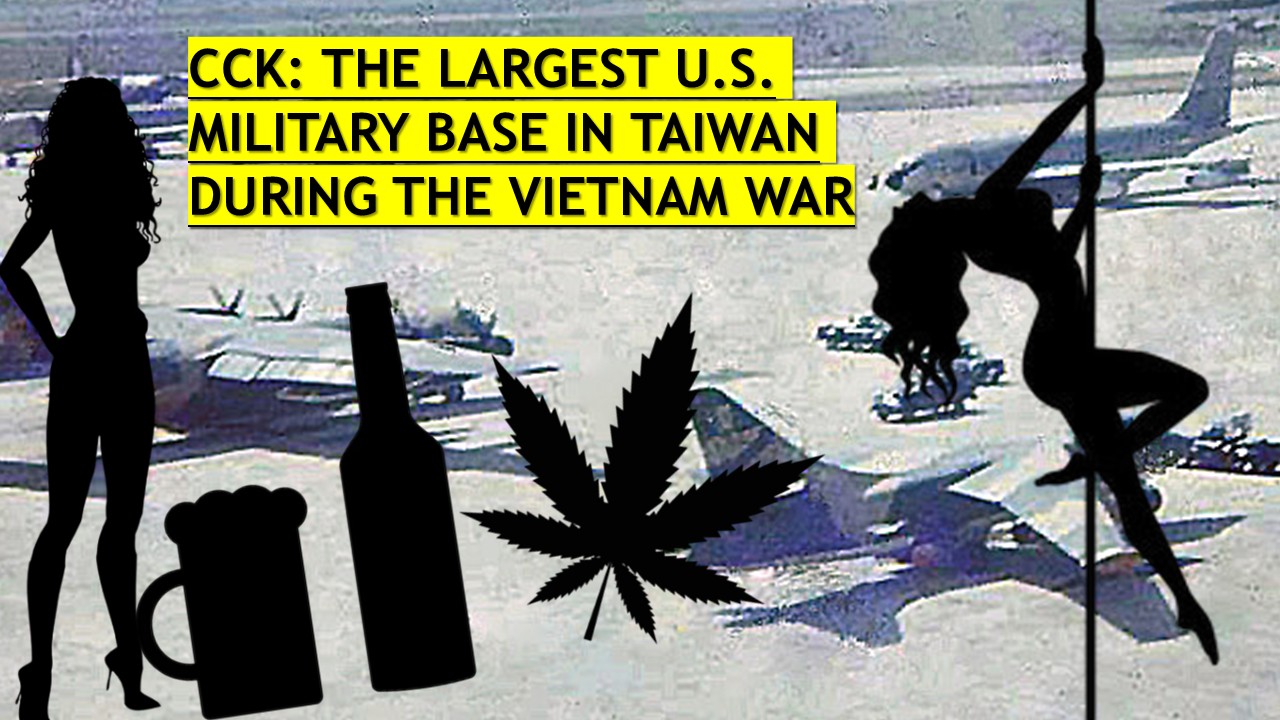
CCK: The Largest U.S. Military Base in Taiwan During the Vietnam War – S5-E27
With sprawling 1,750-acre grounds and a record-setting 12,000-foot runway, CCK stood as America’s most significant Taiwan base during the Vietnam War. At times hosting as many as 8,000 U.S. troops, CCK was a vital airpower logistics hub. From its prime spot near Taichung, CCK orchestrated major Southeast Asian airlift missions, including iconic long-range C‑130 flights. In this week’s episode, we focus on two “inside story” books, the best of which is Made in Taiwan: A Naïve American’s Chaotic Journey to Manhood in an Exotic Culture During Radical Times – by TC Brown, a former U.S. Air Force police officer. Brown’s book is full of stories about the gritty realities connected to Taiwan’s forgotten Vietnam War-era American stronghold: from falling in love with bargirls to racial tensions and marijuana smuggling. And, we’re happy to say the author will be chatting with us next week. Follow, review, comment, share... it makes a difference! Thanks.
26
Aug. 27, 2025
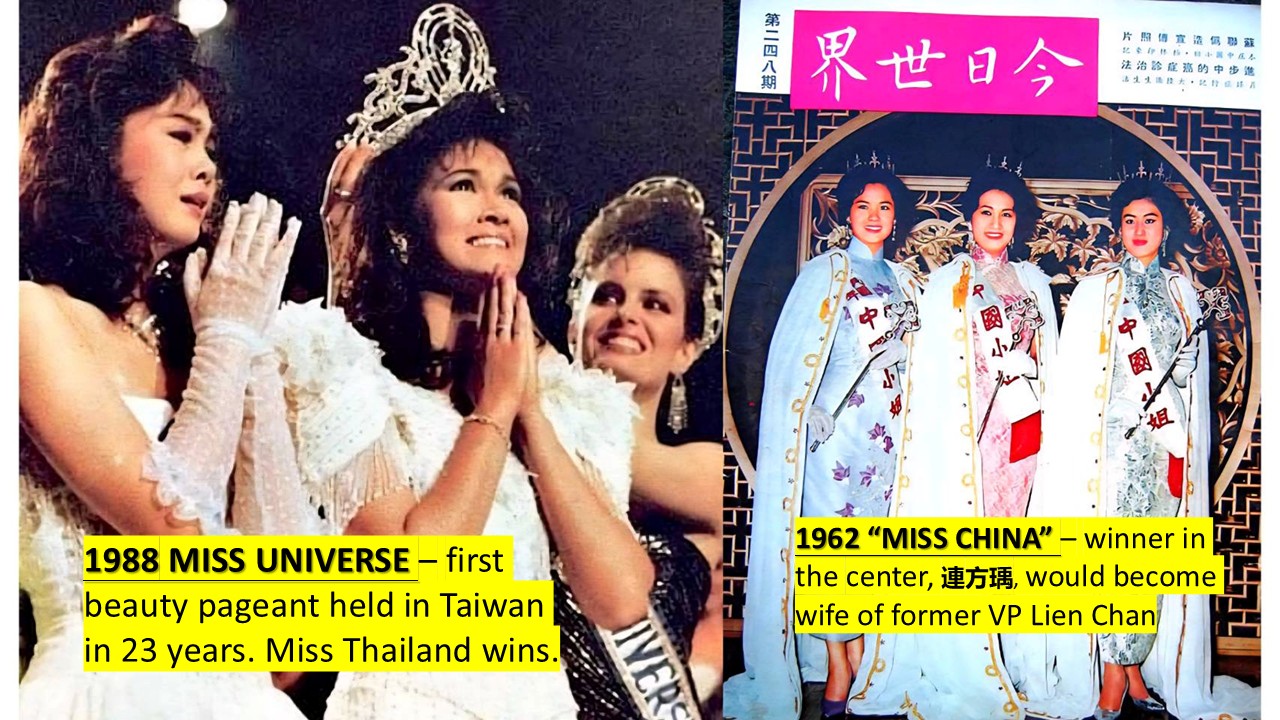
Miss Universe 1988 – Live from Taipei: Taiwan’s Record That Will (Probably) Never Be Broken – S5-E26
Long before 1988, Taiwan’s beauty pageants had been mired in rumors — winners accused of marrying into political dynasties, whispers of contests doubling as “wife buffets” for the elite, and government crackdowns on such events being too frivolous in austere times. Even beauty standards themselves were contested as Western pageants favored tall frames and bold features, while traditional Chinese ideals prized delicacy, modesty, and the “melon-seed face.” By the time Miss Universe came to Taipei, the stage was set for both spectacle and controversy. Yet for Taiwan’s government, the payoff was irresistible. Hosting Miss Universe meant sixteen minutes of global airtime to present the Republic of China’s culture, heritage, and landmarks from Taroko Gorge to Yehliu’s Queen’s Head. For a country fighting for recognition, this beauty show was also showtime for “Free China.” Do us a favor: Rate, review, follow, sub, etc... it really helps!
25
Aug. 21, 2025
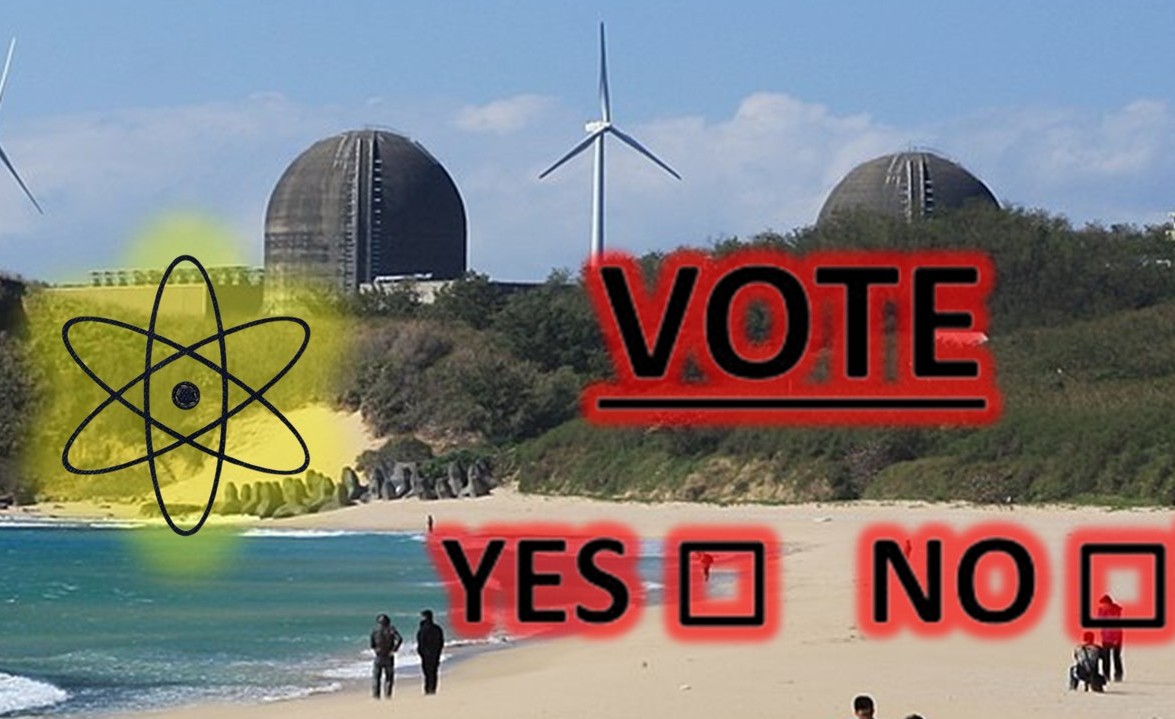
Nuclear Power in Taiwan: The Story Behind Saturday’s Radioactive Referendum – S5-E25
From Chiang Kai-shek’s nuclear ambitions to the fallout from Chernobyl and Fukushima, Taiwan’s nuclear story has always been controversial. The ROC once came within months of being nuclear-bomb ready, but today, fission is gone from even civilian atomic power generation. This Saturday, Aug. 23, 2025, voters face a radioactive referendum. The core question? Whether to restart the recently decommissioned Ma’anshan Nuclear Power Plant 馬鞍山核能發電廠 in Kenting, Pingtung County. After years of splitting atoms over this hot topic, a critical mass is forming in a debate that may reveal just how divided the island remains on atomic energy. Join us as we explore the chain-reaction politics of Taiwan’s nuclear dilemma and the referendum which may trigger a U-turn on uranium. Please follow us on social media, and leave a review or comment. Thanks, it really helps.
24
Aug. 14, 2025
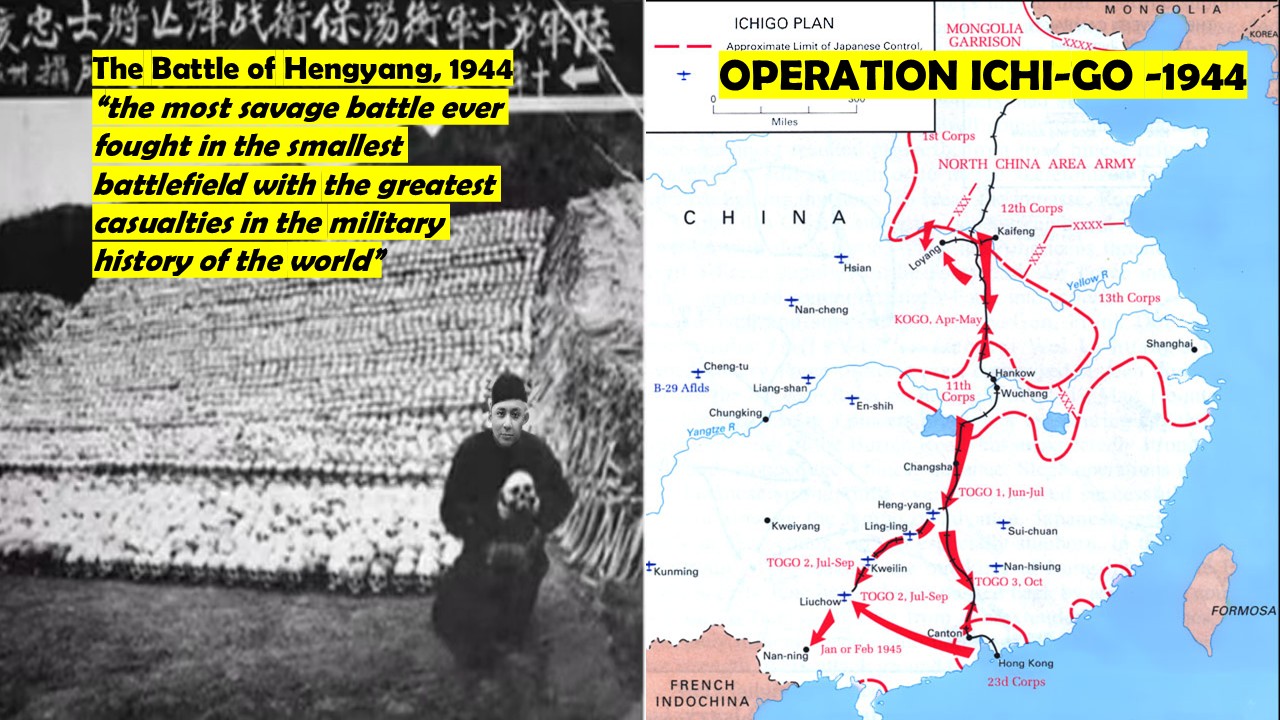
Operation Ichi-Go: Japan’s Mostly Forgotten Last Big, Born-in-Taiwan War Offensive – S5-E24
This episode was released on August 15th, 2025, exactly 80 years after the Empire of Japan unconditionally surrendered to the Allies following the atomic bombings of Hiroshima and Nagasaki. Today, we bring you a largely forgotten story. In 1944, Japan launched its biggest land campaign of the war. It was called “Operation Ichi-Go (Operation #1)” – a massive push through China with half a million troops. It shattered Chiang Kai-shek’s armies, changed Allied strategy, and helped set the stage for the ROC’s retreat to Taiwan. But the spark for this offensive began not on a battlefield in China, but in what’s today Hsinchu, Taiwan. This “big picture” episode has surprise U.S. bombing raids, brutal battles, Roosevelt’s strategy meetings in Hawaii, the collapse of China’s wartime economy, and lots more twists and turns that would lead to Mao Zedong proclaiming the People’s Republic of China in 1949 – and the Republic of China retreating to Taiwan.
23
Aug. 7, 2025
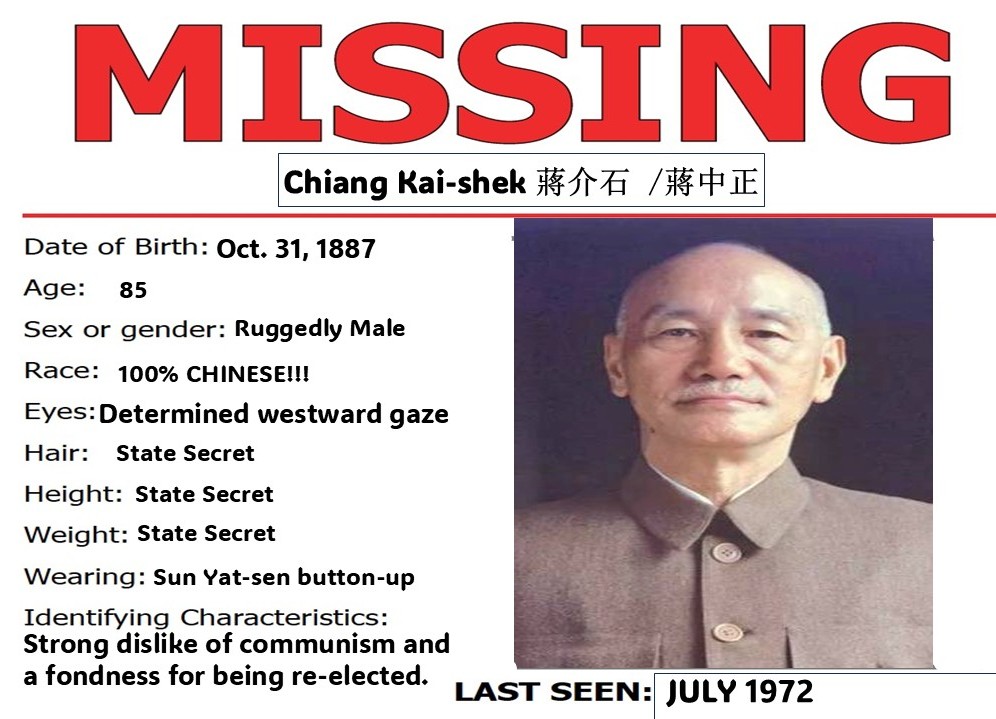
Chiang Kai-shek’s Secret Coma, and the Cigar-Smoking, Cross-Dressing, Confucian Descendant Ms. Kung — S5-E23
In the summer of 1972, Chiang Kai-shek vanished. He missed Double Ten parades. However, Madame Chiang (Soong Mei-ling), and the step-son she loathed (future president Chiang Ching-kuo) carried on as if all was well. There were no press leaks as the president of the Republic of China lay in a coma for six months. In this episode of Formosa Files, we uncover the cover-up, and tell you about an odd dinner where medical staff waited to pounce and revive the aging dictator. Plus, we meet Jeanette Kung: a cigar-smoking, men’s clothing enthusiast who might today be a gay icon of some kind, except for the fact that she possessed an…um…“challenging personality.” SUPPORT the show by rating, commenting, liking, subscribing, and following on social media.
20
July 17, 2025
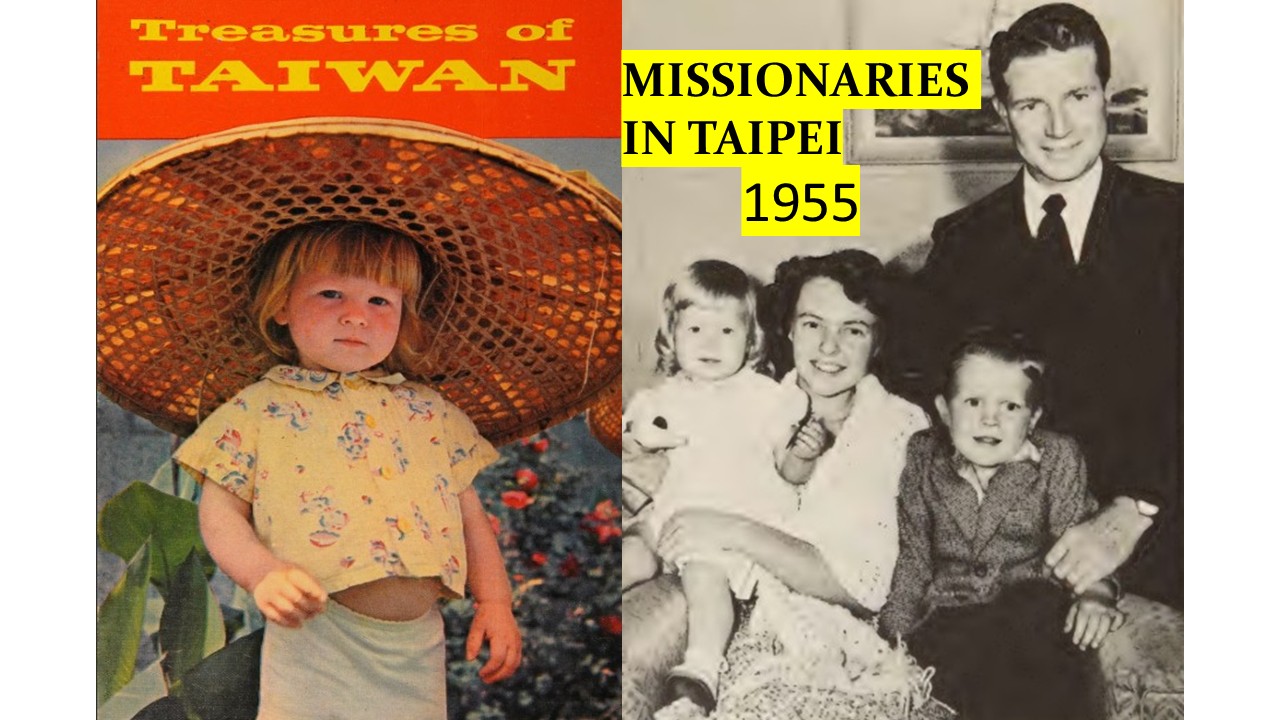
Honey Buckets and Whole-Wheat Faith in Free China – S5-E20
In this episode, a young American missionary family boards a cargo ship for Taiwan in 1955. What could go wrong? Four weeks, a typhoon, and a customs nightmare later, they arrive in a land where whole-wheat flour is exotic, and blonde kids conjure crowds. Taipei in the 1950s was “fragrant,” with open sewers and “honey buckets” filled with human waste used as fertilizer. This week on Formosa Files, we bring you a missionary tale of faith, grit…and refrigerator duties. Leave a comment, follow us on social media and/or give us a rating or review – it's much appreciated and helps others discover this podcast.