
Cultural Stories Episodes
Explore unique and fascinating cultural stories from Taiwan, including folklore, traditions, and notable figures that have shaped the island's identity.
Aug. 1, 2026
Taiwan’s Volunteer Bridge Builders: The Chiayi Ant Army – Snack 09
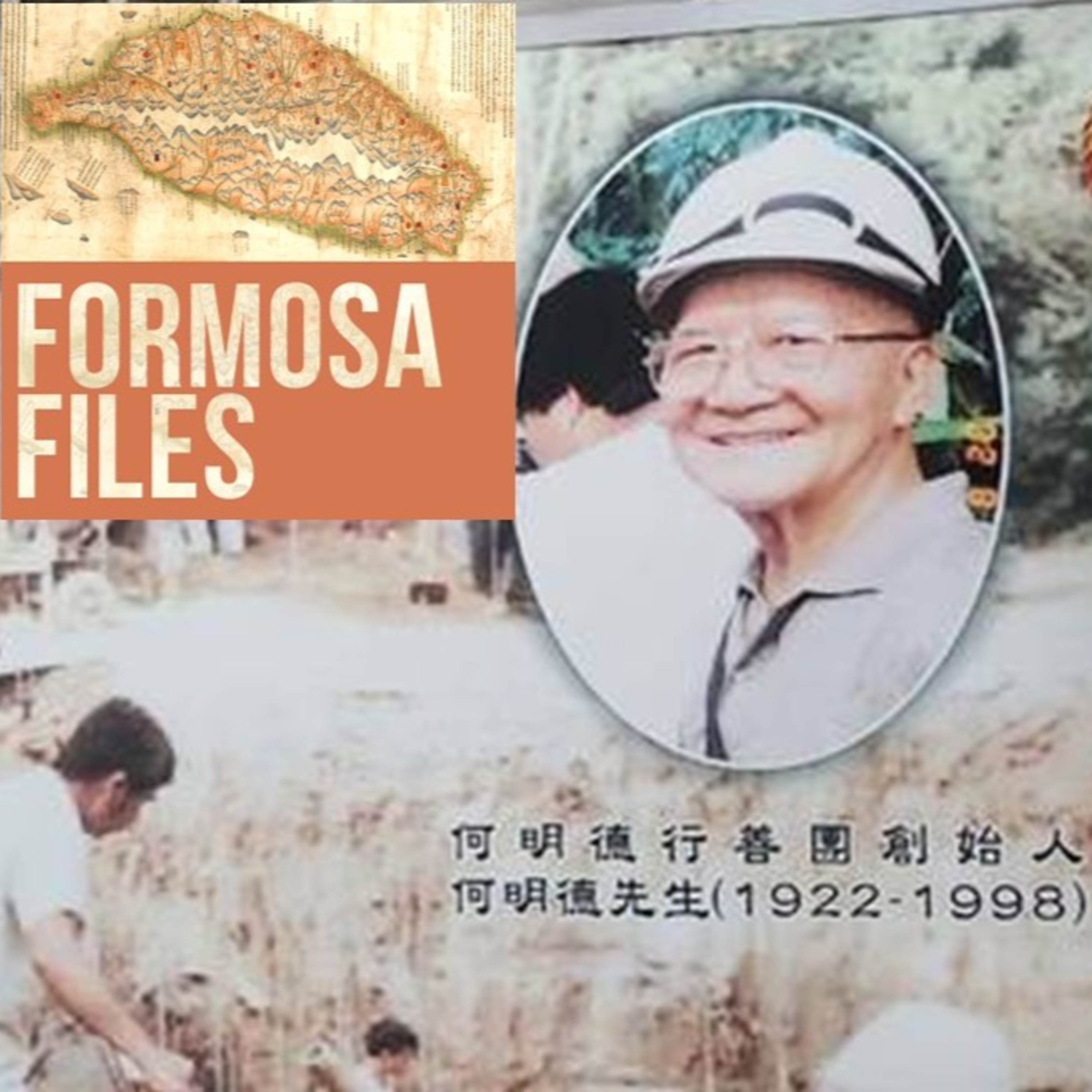
In 1960s rural Taiwan, crossing a river could be deadly. After children drowned on their way to school, a small group of charity workers in Chiayi decided to act. They had previously provided rice and coffins to the poor. But now they turned to building bridges in rural, often remote mountain areas. Nicknamed the “Ant Army,” they worked in human chains, carrying rocks and pouring concrete by hand. Their raw physical effort was supported by the expertise and guidance of engineer Ho Ming-teh (何明德1922–1998) who would be internationally recognized for his contribution. By the time of his death, Ho and the Chiayi Philanthropy Group had built more than 200 bridges.
18
July 15, 2026
The Princess and the Policeman – S6-E18
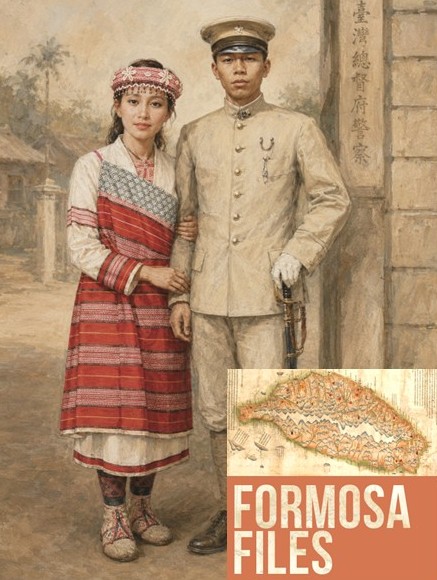
In 1911, Baike Daole, the daughter of a powerful Atayal chief in the mountains of central Taiwan, was pressured to marry the Japanese policeman Shimoyama Jihei. Their “strategic marriage” was intended to help Japan control Indigenous communities, but it produced a family caught between cultures and governments. We follow their story – and the extraordinary life of their son, Shimoyama Hajime – from Japan’s violent campaign to control Taiwan’s Indigenous peoples and the bloody 1930 Wushe Incident to the 228 uprising of 1947, when Hajime was arrested and tortured, and the uncertain first years of Chinese Nationalist rule.
June 27, 2026
The Fake Fishmonger – Snack 08
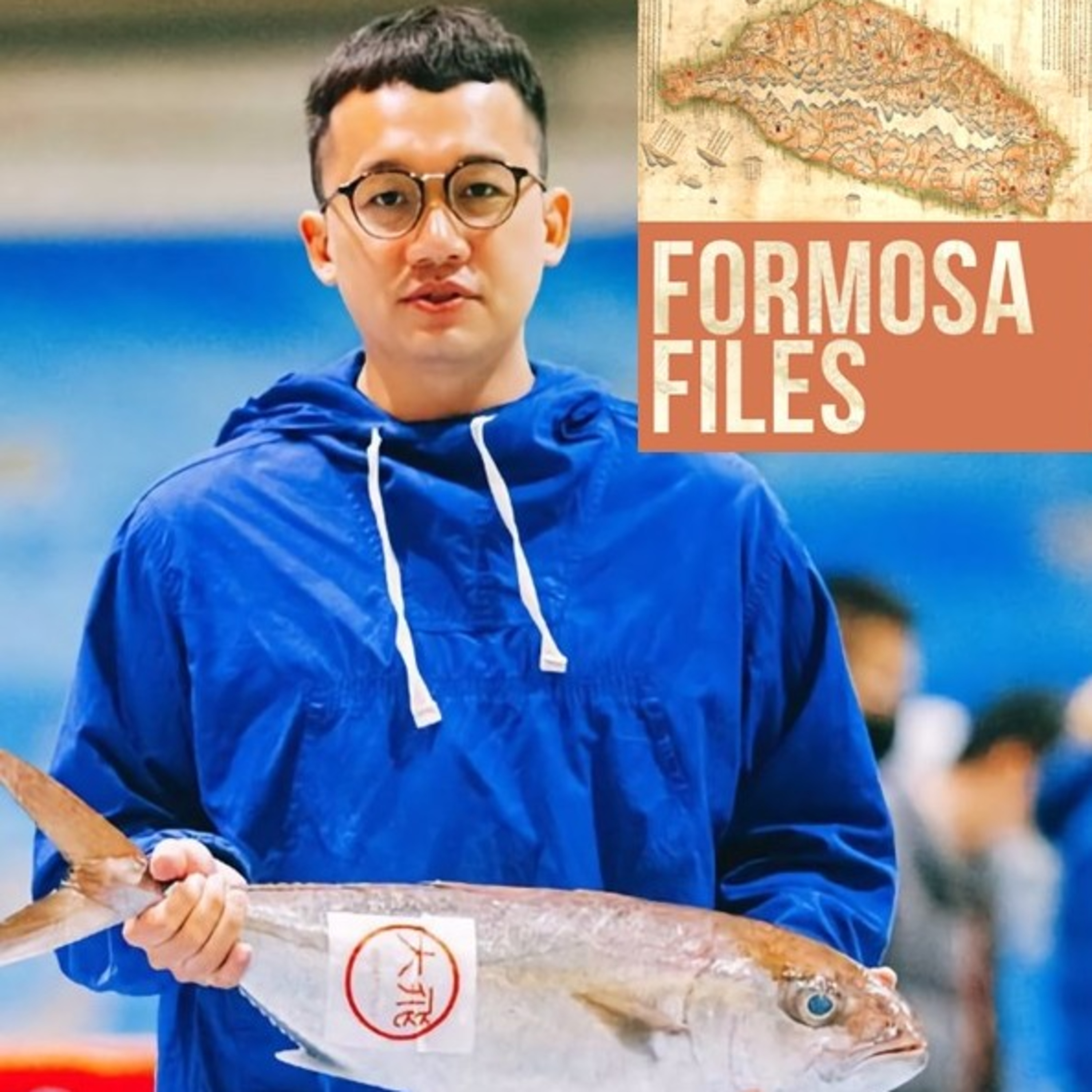
In the early hours of morning, Eryk and John head to a market in Taichung. Actually, they let Lin Kai-lun do that and all the other hard work. Lin is a third-generation fish seller, whose Chinese-language memoir A Guide to Fake Fishmongering tells a story of family debt, backbreaking labor, and the culture of Taiwan’s wet markets. It’s a moving story (the family brought low by gambling) and funny too (there’s some questionable medical advice). So, gather around the “urine tree” for a work-time break and fish-scented chat.
15
June 17, 2026
The Dragon Boat Festival Story: Qu Yuan, Myth, and History – S6-E15
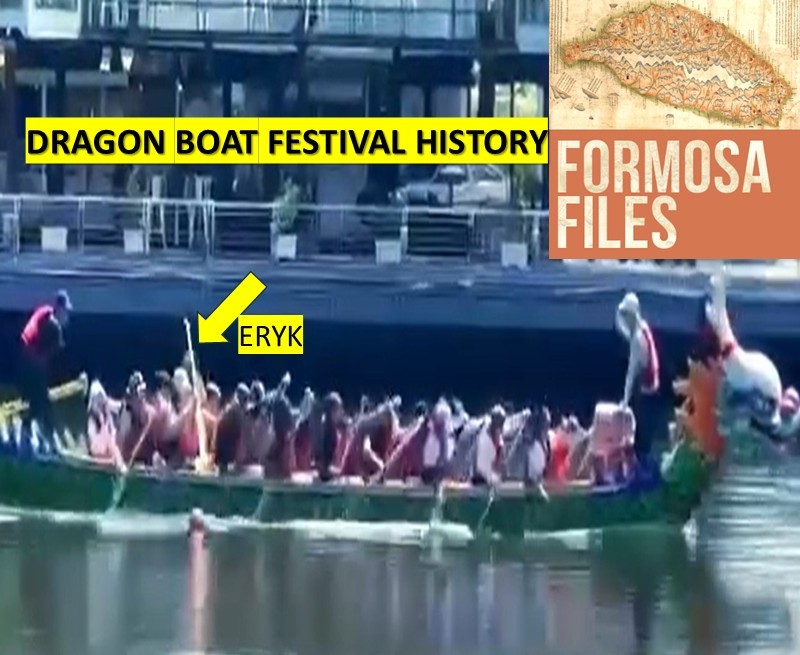
Looking for the true story behind the Dragon Boat Festival (Duanwu Jie)? There’s much more to it than dragon boat races and sticky rice dumplings (zongzi). Many know the standard origin story of the patriotic poet Qu Yuan, but Formosa Files uncovers the less-tidy roots of the holiday. The Dragon Boat Festival date falls on the fifth day of the fifth lunar month; once feared as the dangerous "Month of a Hundred Poisons." Discover how people responded with temple rituals, protective herbs, and even arsenic-laced wine. John Ross and Eryk Michael Smith also chat about what marks the arrival of summer in modern Taiwan, from peak mango season to the blooming of the yellow golden shower and red flame trees right around when schools celebrate graduations. Plus, Eryk shares ancient wisdom from Ben-Hur ("Row well, and live" – 1959) as he recounts his own dragon boat racing glory.
May 25, 2026
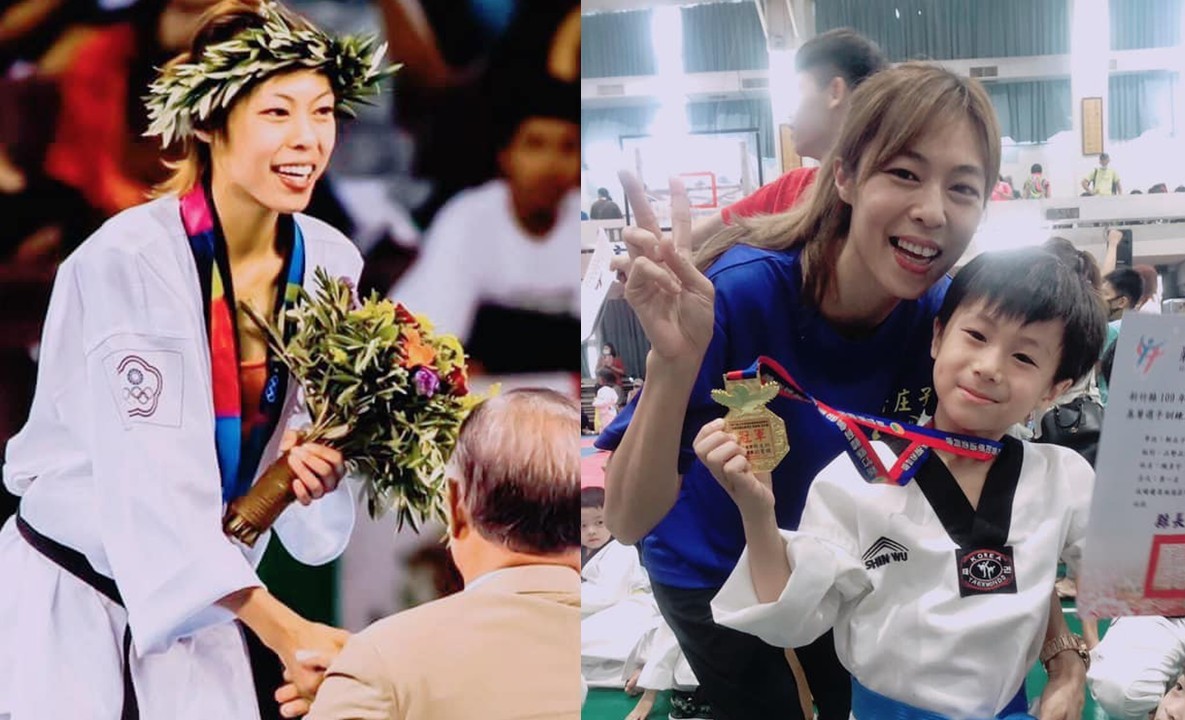
Taekwondo in Taiwan: From the Marines to Olympic Gold – Snack 05
Taekwondo may be Korean, but few places have embraced it as enthusiastically as Taiwan. Introduced in the 1960s for the military, the fast-kicking martial art quickly spread to the wider community. Before long, Taiwan had become one of the world’s taekwondo powers; it even sent trainers to the Middle East to teach the Jordanian royal guard. But peak global glory for the island’s taekwondo fighters came at the Athens Olympics in 2004, when Taiwan won its very first Olympic gold medals.
10
May 13, 2026
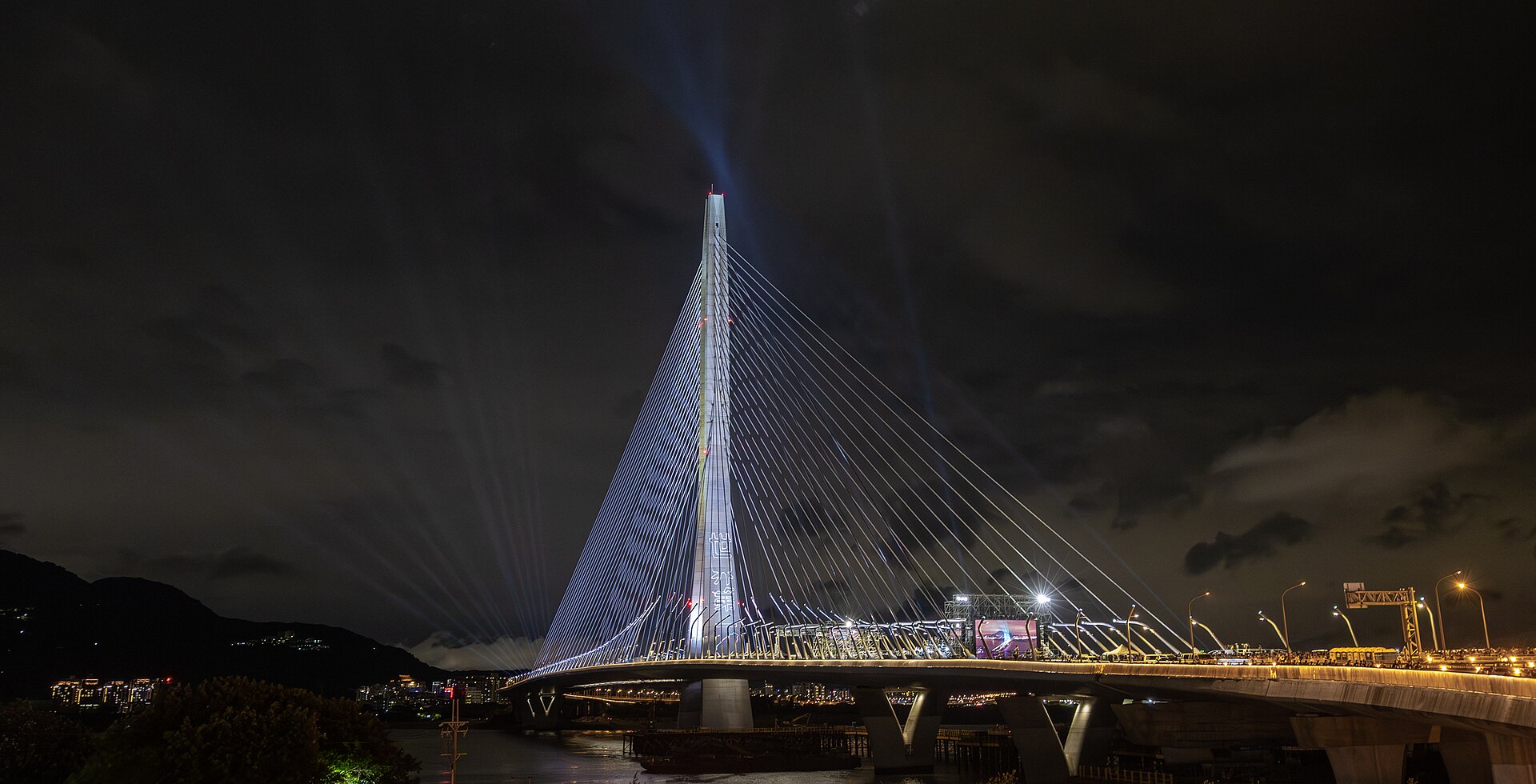
Bridges of Taiwan – S6-E10
John Ross and special guest John Groot celebrate the opening of the remarkable Danjiang Bridge in Tamsui (Danshui). They explore the bridges that transformed Taiwan: the Xiluo Bridge over the mighty Zhuoshui River, once the longest bridge in Asia, and the Taipei Bridge that helped fuel Taiwan’s economic miracle. That bridge is best known for its “Scooter Waterfall,” the tightly packed stream of scooters that pours down the Taipei-side off-ramp during morning rush hour. We follow the Taipei Bridge to the other side, the gritty, industrial district of Sanchong. John Groot shares stories from his many walks, including some hair-raising bridge crossings during his circumnavigation of Taiwan’s coastline. He also outlines his ambitious new walking project and related website, TaiwanCentric.com (formerly the Culture Shack and scheduled to relaunch on May 22)
9
May 6, 2026
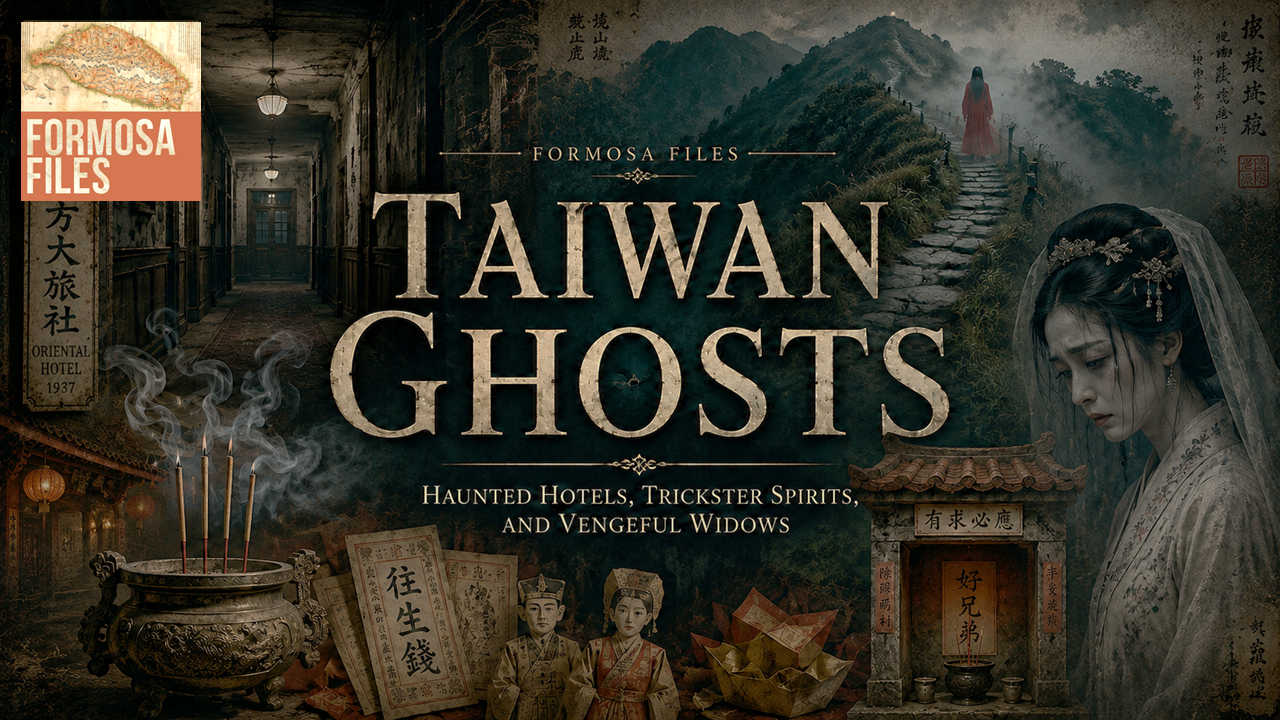
Taiwan Ghosts: Haunted Hotels, Trickster Spirits, and Vengeful Widows – S6-E9
Ghosts of all kinds – wandering spirits, water ghosts looking for substitutes, mountain demons, and many more; welcome to the strange supernatural world of Taiwan. Eryk and John, fortified with protective amulets and holy mantras, bravely step into the murky shadowlands of Taiwanese ghost lore and modern supernatural encounters. For this episode, they draw heavily on anthropologist Lin Mei-rong’s collection of more than 150 ghost stories from across Taiwan. You’ve probably heard of water ghosts. But have you heard of the mysterious “Little Girl in Red” who lures hikers deep into the mountains? Or paper funeral dolls that come alive? How about “Yin” temples dedicated not to gods, but to wandering spirits? Lock your doors and windows, light some incense, and prepare to be spooked (and amused).

March 28, 2026
Wasabi – Green Fire from the Mountains – Snack 03
That little green blob of spicy paste beside your sushi and sashimi has an amazing backstory. The notoriously fussy plant is grown in the mountains of Taiwan (special shoutout to Chiayi County). It arrived in Alishan with the Japanese colonists and their forest railway and flourished in the cool mountain air. After disappearing for a time, it has recently made a comeback. Listen to learn the history of wasabi and find out whether you’ve been eating the real deal or a fake sauce.
3
March 26, 2026
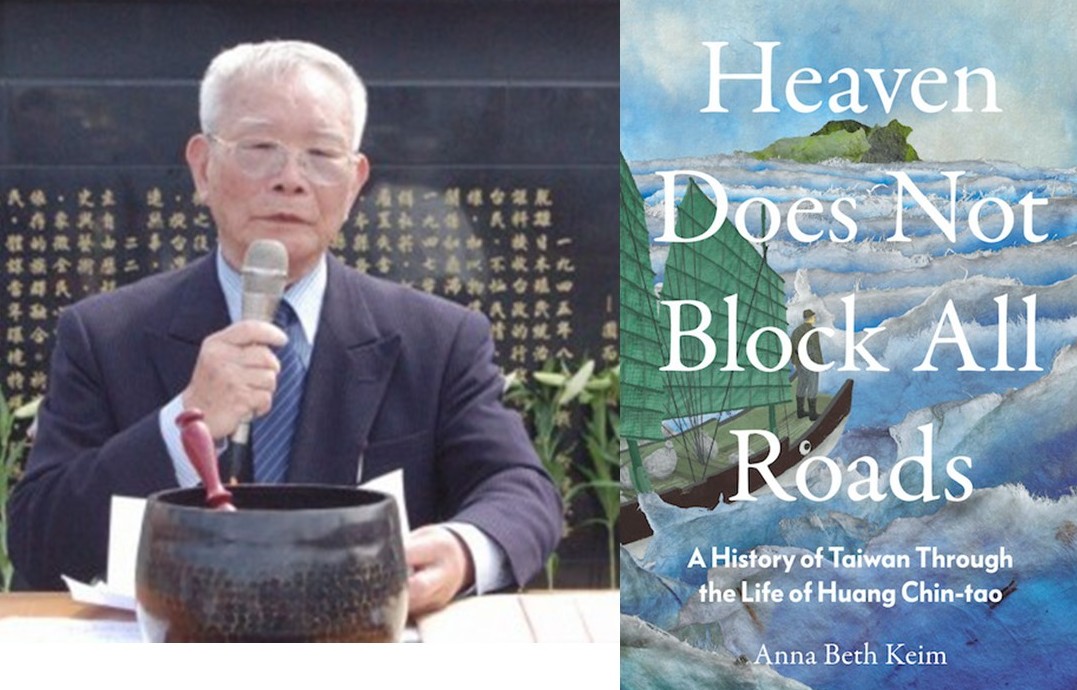
The Extraordinary Life of Huang Chin-tao (Part 2) – S6-E3
Huang Chin-tao (黃金島) was never a household name, but his life story is the story of modern Taiwan. In this concluding episode, we follow Huang from the 2.28 uprising in 1947 as he joins a resistance group led by a rare combination: a Taiwanese woman communist guerrilla commander, Xie Xuehong, whom we've dubbed Agent "Red Snow." After fighting bravely but losing the Battle of Wuniulan Bridge in Nantou, Huang becomes a fugitive and then spends more than two decades in Taiwan’s prisons. There is, however, finally some happiness: a few years after being released, he found love and became a political activist in what would become Taiwan's first real opposition party. For this tale of resistance, survival, and a regular man’s refusal to be broken by history, we drew on Anna Beth Keim’s excellent biography "Heaven Does Not Block All Roads."
March 14, 2026
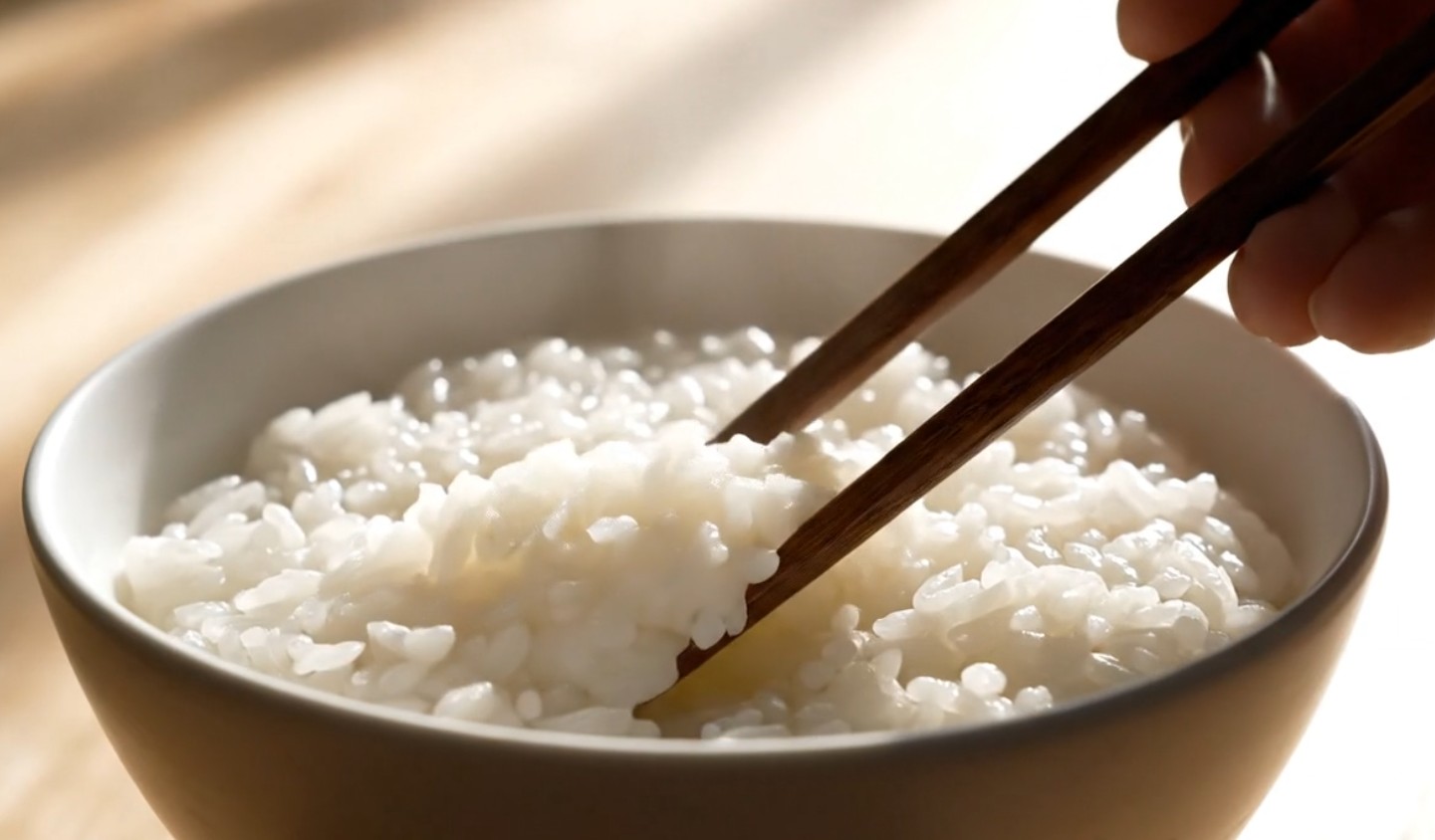
Chopsticks – The “Quick Little Boys” of East Asia – Snack 02
What do Taiwan, China, Japan, Korea, and Vietnam have in common? Chopsticks. In the second Formosa Files Snack, Eryk and John explore the cultural story behind one of East Asia’s most iconic everyday objects. Why did chopsticks replace spoons in China? What role did noodles, rice, and Confucian philosophy play in their adoption? And how did superstitious Ming-dynasty boatmen turn the ancient word for chopsticks into “kuàizi” (literally “quick little boys”)? The origins of the English word “chopsticks” are pretty interesting too. Enjoy this quick, fun cultural and historical detour through the Greater Asian Chopsticks Sphere.

46
Jan. 28, 2026
Taiwan’s Motorcycle Daredevil: Lu Ch’ing-an (呂慶安) – S5-E46
From “Muddy Ditch” in Chiayi County, Lu Ch’ing-an (1944–2011) rose to national fame as Taiwan’s Father of Motorcycle Stunts. The story starts with an apprenticeship at a local scooter repair shop, where the mechanically gifted boy fell in love with motorbikes. Still a teenager, he was inspired by the ROC Air Force’s Thunder Tigers aerobatics team to start flying on two wheels. Over the next few decades, he would amaze audiences and break records. His biggest triumph came in 1983, when he jumped over 14 large buses, surpassing the mark held by Evel Knievel. Lu also undertook some punishing endurance rides, including the first motorcycle circumnavigation of Taiwan in under 24 hours. Behind the accolades and headlines, however, was the heavy physical and personal toll of crashes.
42
Dec. 24, 2025
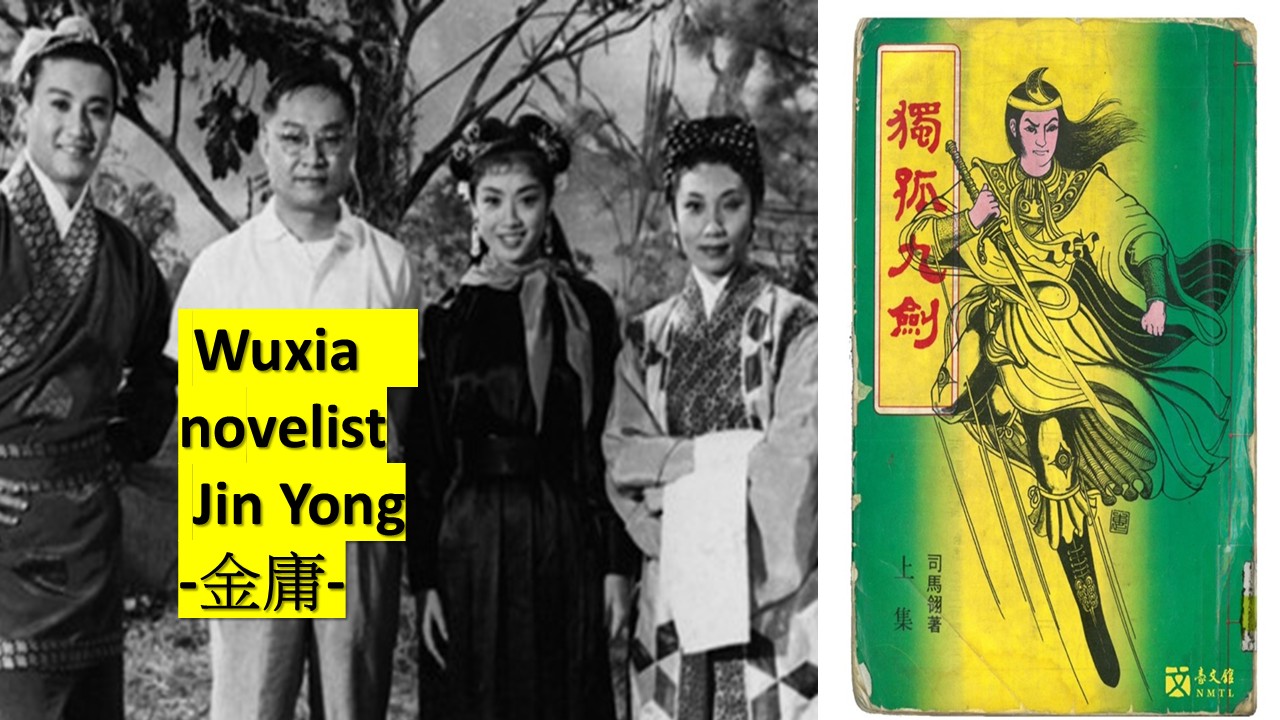
War Against Wuxia: Jin Yong, Banned Books, and Taiwan’s “Rainstorm Project” – S5-E42
Wuxia (武俠) novels are martial-arts stories full of swordsmen and swordplay, secret techniques, and chivalrous outlaws. Think Robin Hood crossed with Taoist mysticism and Chinese history. John talks with Taipei-based writer Scott Crawford about the genre – and Jin Yong 金庸 (1924-2018), the most popular and influential wuxia writer. Generations of admiring readers across Asia have devoured his many books. But Taiwan’s government was not a fan. Enter, the Rainstorm Project – a long-running crackdown launched in 1960 that targeted wuxia, especially Jin Yong’s works. Within days, 120,000 novels were seized; and, over the years, hundreds of wuxia titles were banned. But why? Was this simply Cold War paranoia about possible communist cultural “contamination”? Or a kind of moral panic about the impact on children; after all, this fantasy fiction was inspiring Taiwanese students to run off to the mountains in search of kung fu masters.

40
Dec. 10, 2025
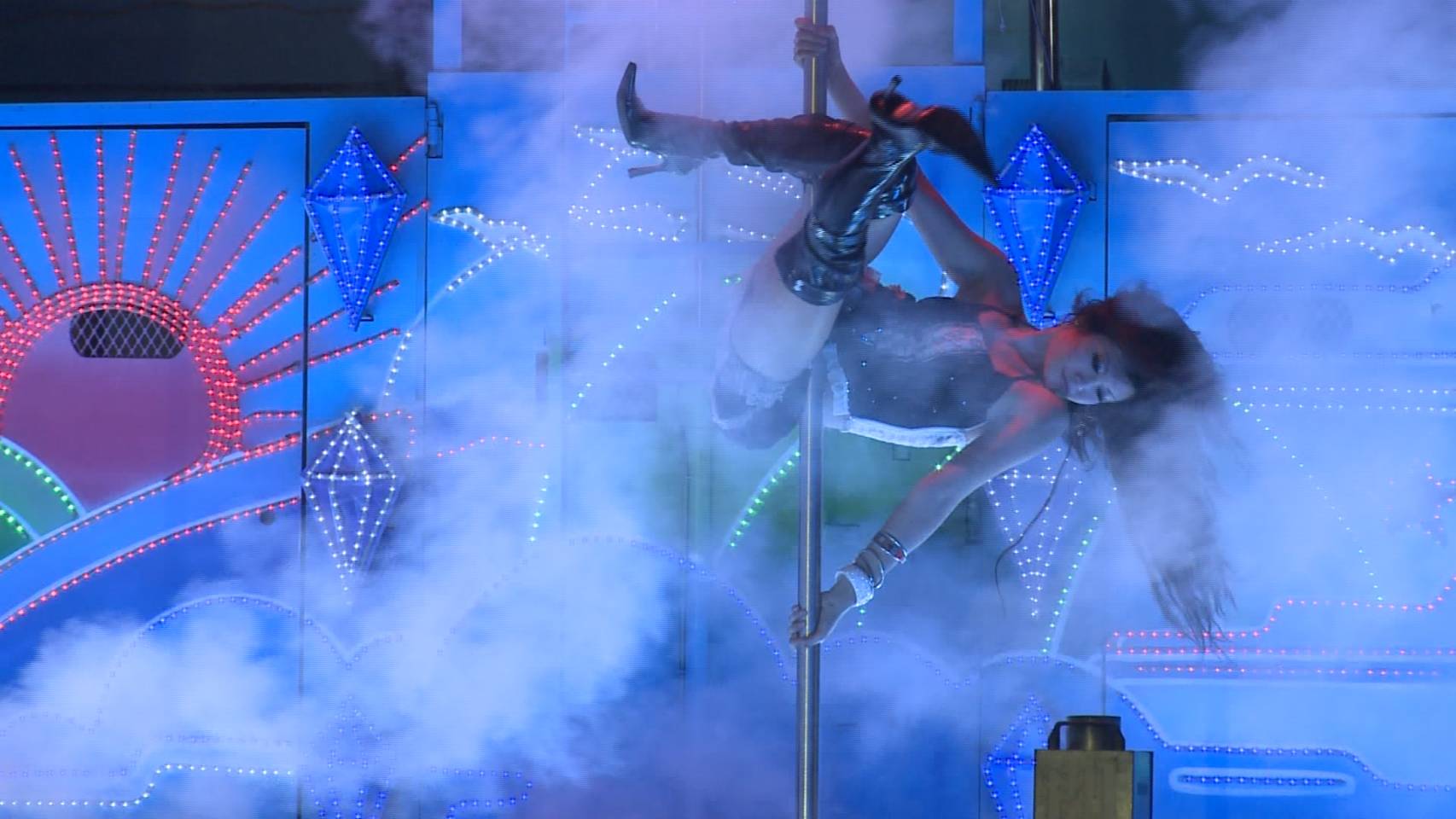
AUDIO ONLY - Taiwan’s Funeral Strippers: “Dancing for the Dead” – S5-E40
THIS IS AUDIO-ONLY. A 47-MINUTE VIDEO VERISON IS AVAILABLE. This episode may not be suitable for minors. Yes, funeral strippers are real, and their story is far more complicated than the headlines. With anthropologist Marc L. Moskowitz as our guide, we climb aboard Taiwan’s infamous Electric Flower Cars, neon-lit mobile stages where dancers perform during funerals and temple processions. In this dual episode (video/audio only), Eryk chats with Professor Moskowitz about his documentary, Dancing for the Dead. The discussion explores how this controversial tradition took root, why it exploded into public debate in the 1980s, and what it reveals about Taiwan’s rural-urban cultural divide. Critics call it immoral. Performers call it a livelihood. Fans say it keeps the spirits and the crowds entertained; enjoy this provocative, colorful, and surprisingly heartfelt look at one of Taiwan’s most misunderstood cultural practices.
40
Dec. 10, 2025
Taiwan’s Funeral Strippers: “Dancing for the Dead” – S5-E40
Note: This episode may not be suitable for minors. Yes, funeral strippers are real, and their story is far more complicated than the headlines. With anthropologist Marc L. Moskowitz as our guide, we climb aboard Taiwan’s infamous Electric Flower Cars, neon-lit mobile stages where dancers perform during funerals and temple processions. In this dual episode (video/audio-only), Eryk chats with Professor Moskowitz about his documentary, Dancing for the Dead. The discussion explores how this controversial tradition took root, why it exploded into public debate in the 1980s, and what it reveals about Taiwan’s rural-urban cultural divide. Critics call it immoral. Performers call it a livelihood. Fans say it keeps the spirits and the crowds entertained; enjoy this provocative, colorful, and surprisingly heartfelt look at one of Taiwan’s most misunderstood cultural practices. Audio only version also available. Follow us on social media and leave a comment/review!
35
Nov. 5, 2025
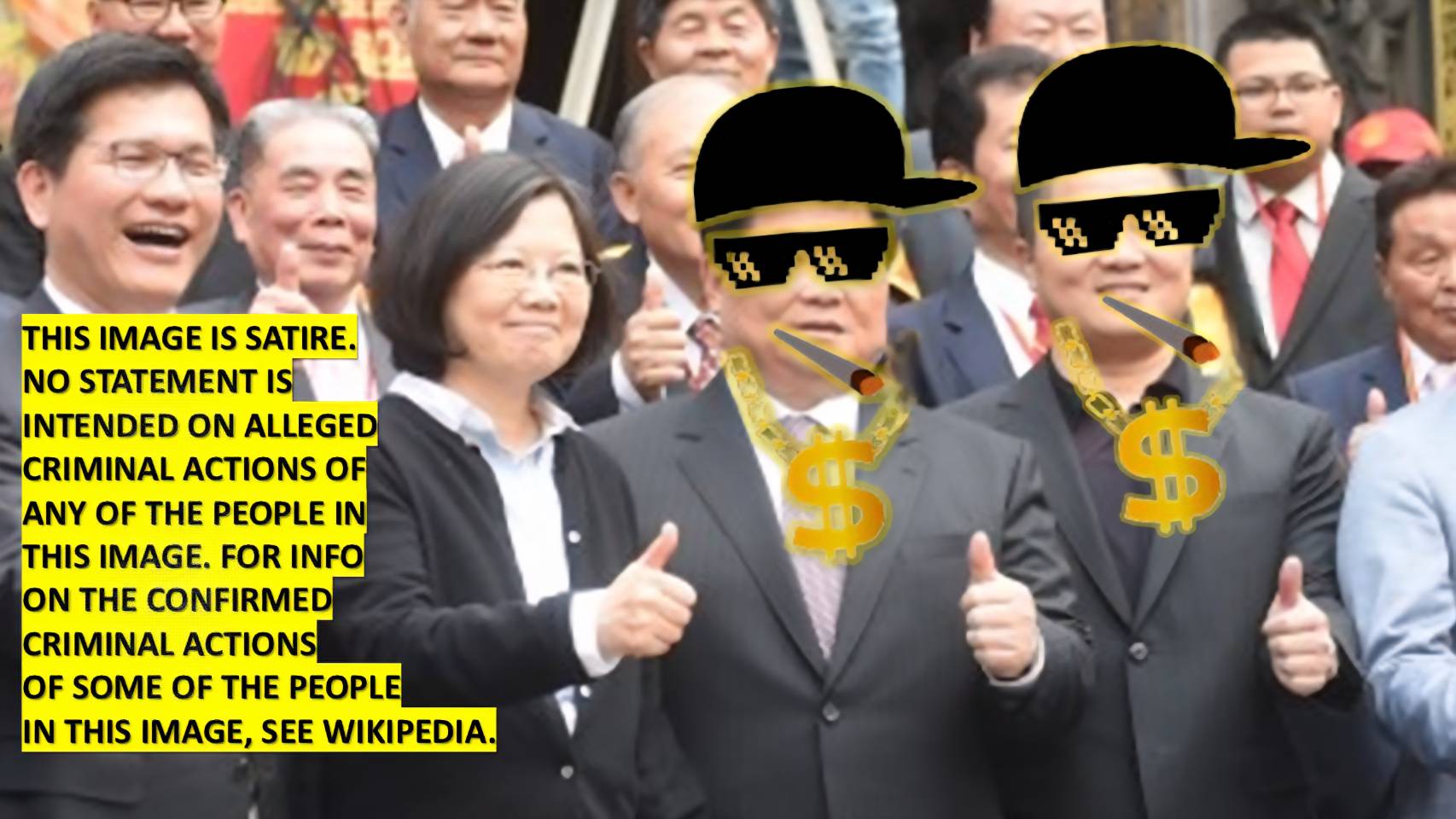
Altars and Outlaws: Ben Sando on Taiwan’s Underworld – Gangs, Temples, and Political Influence – S5-E35
We’ll let Benjamin Sando, research fellow at the Global Taiwan Institute, and our guest for this week’s episode, describe the topic: “From the early days of Han Taiwanese society, through the period of Kuomintang (KMT, 國民黨) martial law and on to the era of democratization, the influence of Taiwan’s gangs has evolved. The activity of some gangs (but not all) has spread beyond extracting profit from local territory – through extortion, prostitution, and gambling – to international transactions involving drugs, arms, and human trafficking. This has sown connections between certain Taiwanese gangs and foreign actors, such as Chinese triads and government officials engaging in united front work for the People’s Republic of China (PRC). As elections become more competitive in Taiwan, gangs have leveraged their control of prominent Taiwanese temples to influence politicians seeking support from religious communities. Such deep-rooted connections between gangs and local communities obstruc…
33
Oct. 23, 2025
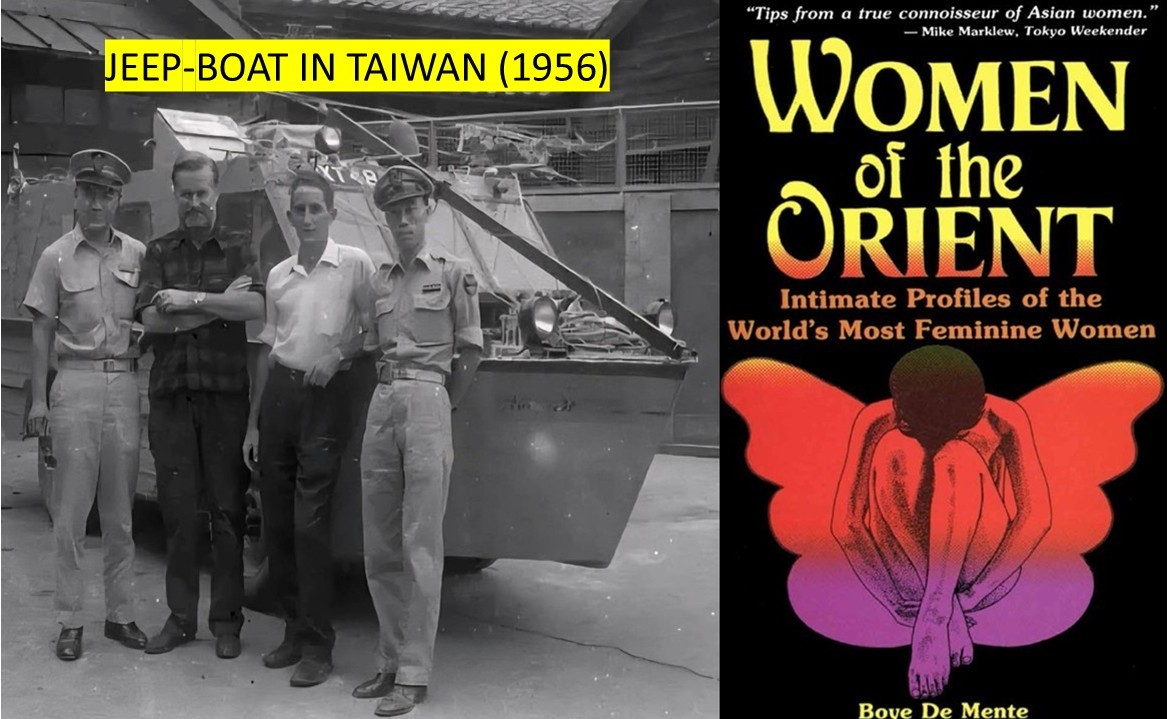
Bits & Pieces: “Women of the Orient” and Around the World in a "Half-Safe" Amphibious Jeep (1956) – S5-E33
In this Bits & Pieces episode, John makes Eryk read some cringe-inducing lines from a guide to “the women of the Orient.” Then, they set off on one of history’s strangest adventures: the world-spanning voyage of “Half-Safe,” an amphibious jeep that drove and floated its way to Kaohsiung in 1956. Do us a favor: rate the show, leave a review on our website or Apple podcasts, and/or follow us on social media. Thanks.
31
Oct. 9, 2025
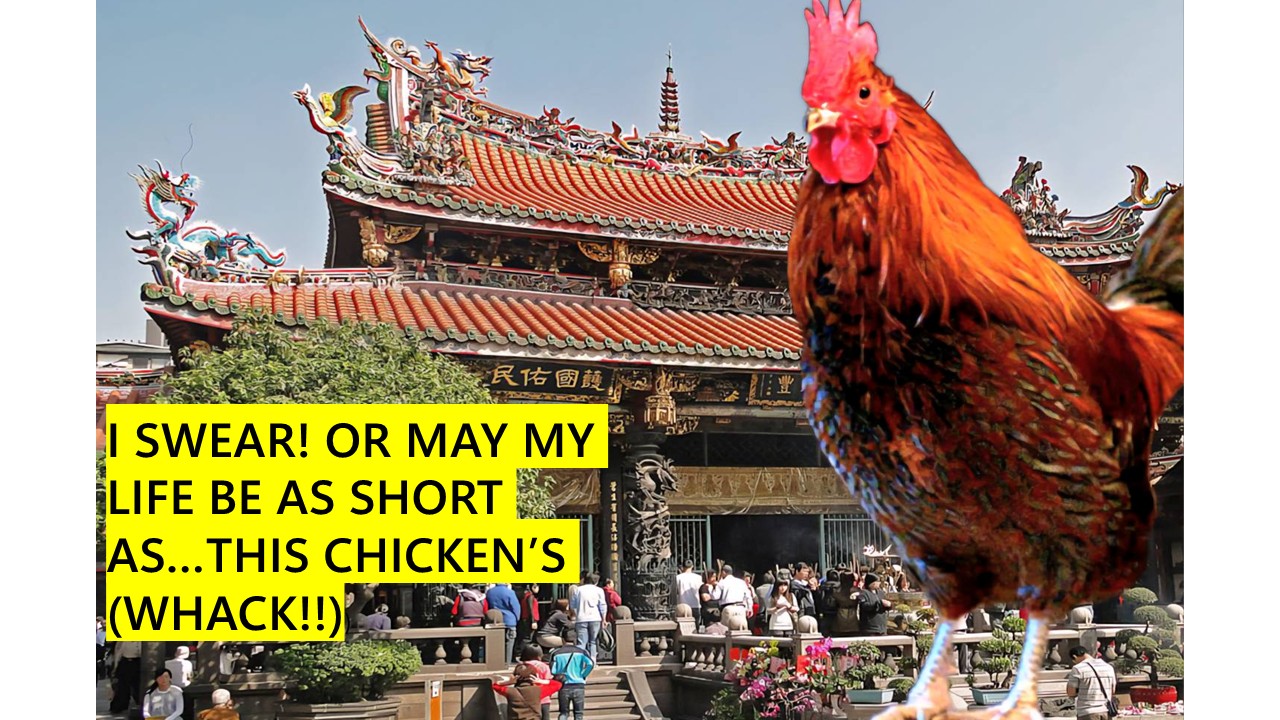
Swearing with Chickens, and other Taiwan Bird Adventures – S5-E31
Inspired by Taichung’s recent hosting of the World Bird Fair, Eryk and John explore Taiwan’s rich avian diversity and look at bird omens, bird gambling, and bird superstitions. Star species make cameo appearances, but it’s the humble chicken that gets the spotlight in this episode… and the chopping board! (Apologies for Eryk’s fondness for certain sound effects). The beheading of chickens at temples was once a common folk judicial ritual – yes, oaths of legal innocence were sworn before temple gods with the aid of feathered sacrifices. Sounds a bit gruesome, but trust us; it’s a fun episode. We swear it before the City God (whack!).

26
Aug. 27, 2025
Miss Universe 1988 – Live from Taipei: Taiwan’s Record That Will (Probably) Never Be Broken – S5-E26
Long before 1988, Taiwan’s beauty pageants had been mired in rumors — winners accused of marrying into political dynasties, whispers of contests doubling as “wife buffets” for the elite, and government crackdowns on such events being too frivolous in austere times. Even beauty standards themselves were contested as Western pageants favored tall frames and bold features, while traditional Chinese ideals prized delicacy, modesty, and the “melon-seed face.” By the time Miss Universe came to Taipei, the stage was set for both spectacle and controversy. Yet for Taiwan’s government, the payoff was irresistible. Hosting Miss Universe meant sixteen minutes of global airtime to present the Republic of China’s culture, heritage, and landmarks from Taroko Gorge to Yehliu’s Queen’s Head. For a country fighting for recognition, this beauty show was also showtime for “Free China.” Do us a favor: Rate, review, follow, sub, etc... it really helps!

22
July 31, 2025
“Lip-Sticked” Taxi Drivers and the Founder of the China Post: A Look at Taiwan’s Women in 1963 — S5-E22
Supreme Court judges, bus conductors, chemists, even radio stars — in this episode, we look at how women were making their mark in 1960s Taiwan. Our source is a 1963 issue of the Free China Review, published in the peak “Free China” years, when most of the so‑called “Taiwanese” women featured were actually from China. Still, even in this repressive period, you could argue women here had more chances to lead, earn, and succeed than many of their peers in the West. DO US A FAVOR and leave a review or comment (on Apple, Spotify, YT, or our website). It really helps. Thanks.
21
July 23, 2025
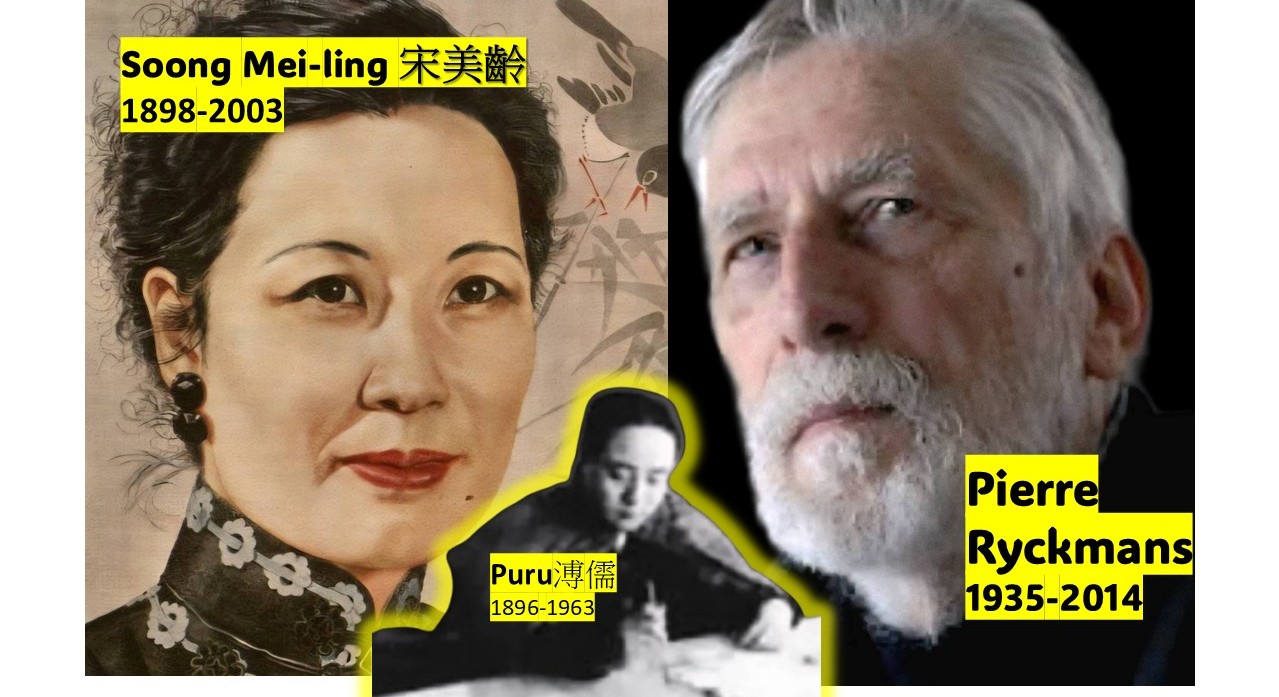
Bits & Pieces - July 2025 - Taiwan’s First Belgian Student, Madame Chiang’s Midlife Canvas, and the Immovable Last Emperor’s Cousin – S5-E21
This Bits and Pieces episode blows from here to there—just like Typhoon Danas, which recently battered John’s beloved Chiayi. It’s a little chaotic, a little wild. We jump from Belgium to Yemen to 1950s Taipei, where we meet Pierre Ryckmans, a young scholar who arrived in Taiwan on a cargo ship and ended up learning brushwork from the cousin of China’s last emperor—a famously tedious teacher who refused to leave his studio to tutor Madame Chiang Kai-shek after she took up painting at 53. We wrap things up with the Generalissimo himself, who, despite a full-hour audience, somehow managed to leave absolutely no impression on Ryckmans, a man who would become a giant in the world of sinology. PLEASE – leave a review on this website, follow & "like" on social media. Thanks!
18
July 3, 2025
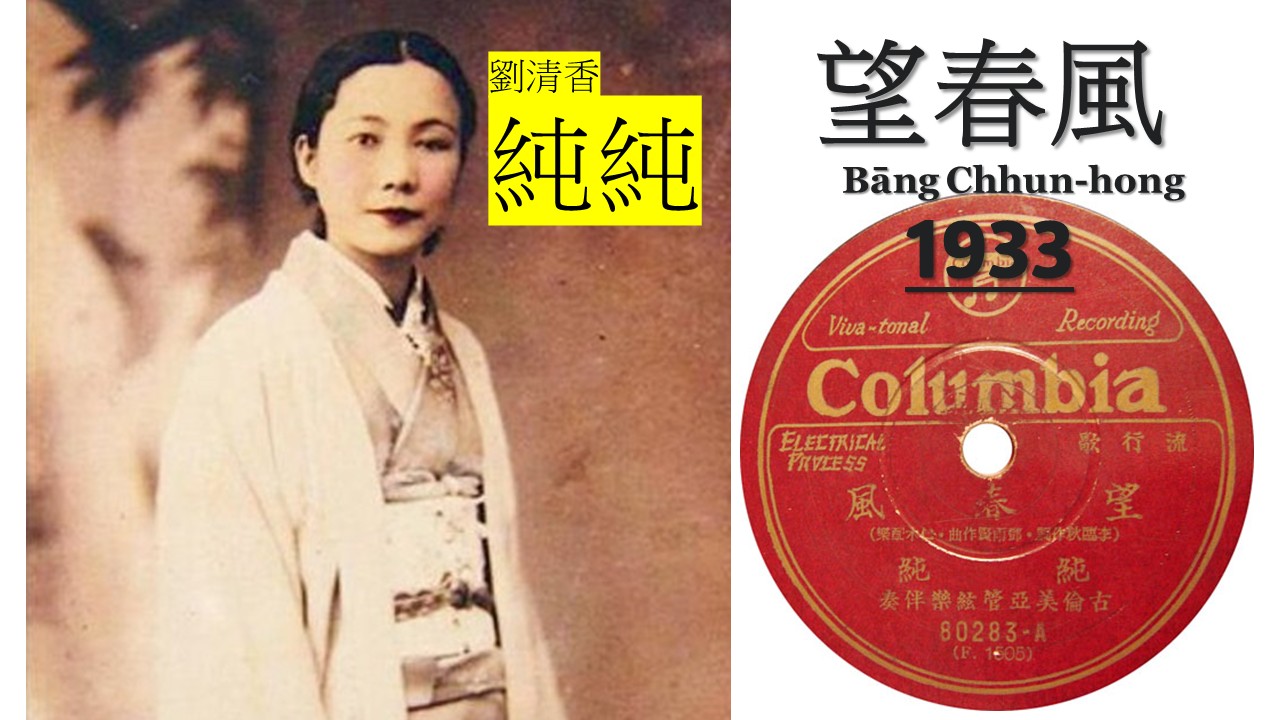
Taiwan’s 1930s Pop Boom, and Its First Pop Queen – S5-E18
Han Cheung, the man behind Taiwan in Time, the long-running history column in the Taipei Times, returns to tell the story of Taiwan’s first pop star. Liu Ching-hsiang 劉清香 was singing Taiwanese opera in the late 1920s. A few years later, under the stage name Chun-Chun 純純, she became Japanese Formosa’s first recording star — the voice behind dozens of hits and the breakout anthem “Longing for the Spring Breeze.” Hear how Columbia Records and a savvy movie tie-in made her a household name, and learn more about the 1930s, which, when it comes to music, was perhaps the most “progressive” decade of the 50 years of colonial rule.

June 19, 2025
Teresa Teng 鄧麗君 – “Asia’s Eternal Queen of Pop” (2025 Remastered Re-release)
It has now been 30 years since the passing of Teresa Teng 鄧麗君, the legendary Taiwanese singer who transformed Asian pop music, and even influenced regional politics. But three decades have not dimmed her star. Teng remains beloved by millions across Asia and around the world. Now, to the delight of her fans, there is news of one final encore from the “Eternal Queen of Asian Pop”: a previously undiscovered Japanese-language recording has been found. The new song is reportedly set for release on June 25, 2025. To mark the occasion, we’re re-releasing this classic 2022 Formosa Files episode celebrating her extraordinary life and legacy. Enjoy!

16
June 12, 2025
Calculating Fate: Taiwan’s Fortune-Telling Fever of the ’90s – S5-E16
Some people bought Tamagotchis in the '90s. Others? They paid birds to predict their future. In this week’s episode, we take a glimpse into Taiwan’s wild obsession with fortune-telling — and what it reveals about culture, comfort, and even politics. From oracle bones to rose stones, the history of Taiwanese divination has been an unpredictable ride.

7
March 27, 2025
S5-E7- First “Bits and Pieces” Episode of Season 5
If we left in all the material we discover when researching topics, our episodes would be many hours long, so we try to force ourselves not to go down too many rabbit holes. But it’s a problem: we find so many “goodies” that are too good not to share! Our solution: a “Bits and Pieces” episode every now and then. In this first one for Season Five, we’ll look again at Taiwan’s falling population, female dentists, the old custom of throwing teeth on a roof (or burying them), the surprising number of Taiwan-Russia connections, and more.